


 Marco Rubio Says U.S. Will Block IRGC-Linked Individuals From Iran World Cup Delegation
  Los Angeles Mayor Says White House Must Reassure Fans Ahead of FIFA World Cup
  Alan Greenspan: 7 Fascinating Facts About the Former Fed Chairman
  US-Iran De-Escalation Shifts Washington’s Focus to AI Regulation and Crypto Legislation
  Trump Urges Hall of Fame Induction for Roger Clemens Amid Renewed Debate
  Venezuela Deploys Troops to Crack Down on Illegal Gold Mining Amid Push for Foreign Investment
  Andy Burnham Emerges as Favorite After Keir Starmer Resigns
  Bolivia Declares State of Emergency as Roadblock Crisis Deepens
  SEC Tokenized Stock Approval Still Expected as Regulatory Framework Advances
  Mexico President Claudia Sheinbaum Reconsiders Early School Closure Plan Ahead of 2026 World Cup
  US Waives Iran Sanctions for 60 Days as Peace Talks Advance and Lebanon Sees Calm
  ASIC Launches Formal Investigation Into KPMG Australia Partners Over Client Data Misuse Allegations
  Bessent Says U.S. Must Strengthen Supply Chains and Economic Security
  Trump Draws Cheers at Ryder Cup as U.S. Trails Europe After Opening Day
  Meta Challenges Australia’s Proposed Tech Tax, Citing U.S. Trade Agreement Concerns
  Los Angeles World Cup Security Plans: No ICE Immigration Enforcement at FIFA 2026 Matches, Officials Say
  JD Vance to Lead U.S. Presidential Delegation at Milano Cortina Winter Olympics Opening Ceremony


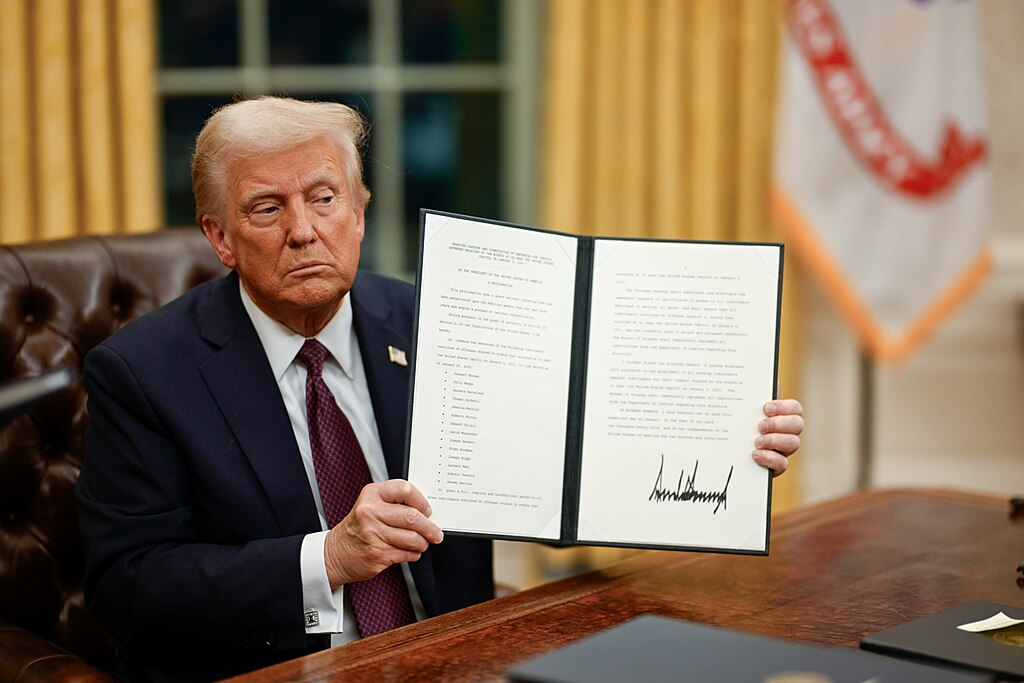
President Donald Trump has signed an executive order introducing federal oversight on large recruiting payments in U.S. college sports, particularly football and men’s basketball. The measure seeks to curb third-party payouts from donors to athletes, aiming to protect funding for women’s and non-revenue sports while clarifying the legal status of student-athletes.
While the National Collegiate Athletic Association (NCAA) already prohibits such payments, donors have exploited loopholes amid the surge in name, image, and likeness (NIL) deals. The White House clarified the order does not restrict fair-market NIL compensation, such as brand endorsements or autograph signings. Federal agencies will now devise enforcement strategies, leveraging regulatory and funding mechanisms, though specific implementation remains uncertain.
The move follows major shifts in college sports since 2021, when the NCAA first allowed NIL monetization. In March 2025, restrictions preventing athletes from negotiating NIL deals before enrollment were lifted after an antitrust settlement with state attorneys general. The White House argues this evolving NIL landscape has created financial instability in college athletics.
Experts anticipate legal challenges, with critics arguing the order may infringe on athletes’ rights under antitrust law. Michael LeRoy, a labor law professor, noted the NCAA’s refusal to recognize athletes as employees or allow collective bargaining as a core issue.
NCAA President Charlie Baker welcomed federal attention, urging bipartisan legislation to address structural threats to college sports. The order is Trump’s latest intervention in athletics, following directives on transgender participation in women’s sports and funding disputes with elite universities.
This executive action could reshape college sports economics, influencing scholarship allocations and the broader NIL market while intensifying debates over amateurism and athlete compensation.







