


 Ukrainian Drone Attacks Hit Russian Regions, Injuring at Least 12
  US Senate Rejects Iran War Powers Resolution in 50-49 Vote
  OpenAI Agent Breaches Australia Medicare Data Portal
  Taiwan Thanks US for Support Ahead of Trump-Xi Summit
  Najib Razak Seeks Stay of 15-Year 1MDB Prison Sentence
  Trump, Xi Focus on Trade and AI at White House Summit
  EU Defence Build-Up Too Slow for 2030 Russia Readiness Goal
  Saudi Arabia, Turkey and Pakistan Plan Urgent Defence Talks Over Houthi Attacks
  Sudan Rejects US Legitimacy Remarks, Defends Sovereignty
  Pezeshkian Says US Must Choose When Iran War Ends
  Trump Asks Supreme Court to Restore Third-Country Deportations
  North Korea Warns South Korea Over US-Led Defense Role
  Yemen Violence Displaces 130,000 as Civilian Toll Rises
  France Defends Netanyahu Airspace Clearance Despite ICC Warrant
  Ghana Says Western Support Growing for Slave Trade Reparations
  North Korea Rejects Nuclear Test Warning, Calls Nuclear Status Irreversible
  US Backs Musk in Fight Against EU’s €120 Million X Fine


 Add as a preferred source on Google
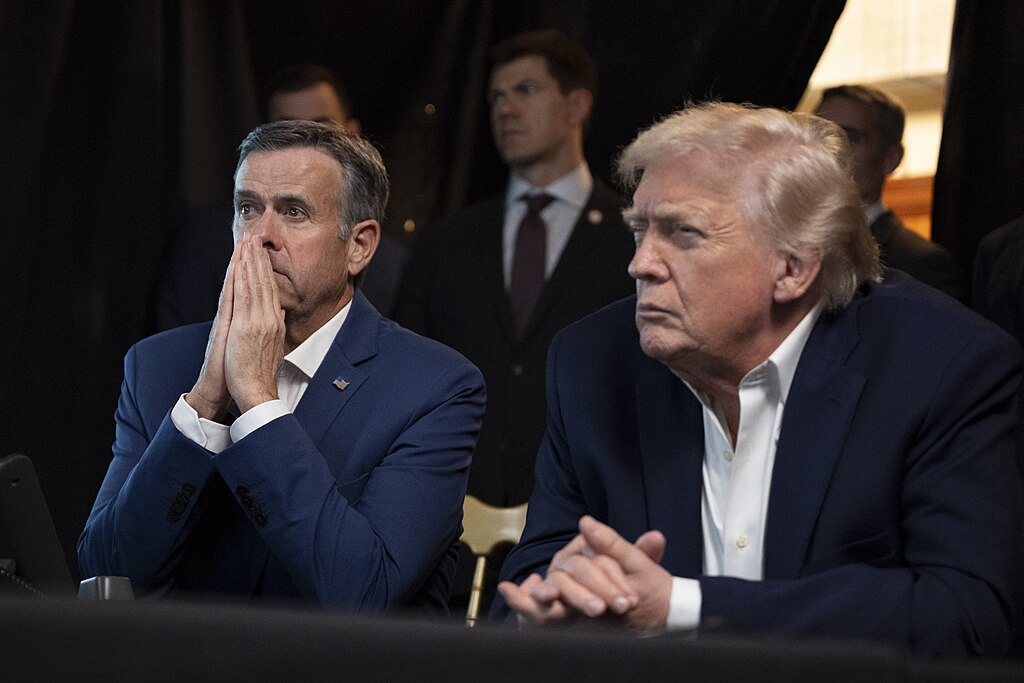
U.S. President Donald Trump has indicated that American oversight of Venezuela would last far longer than a year, asserting that his own judgment is the primary limit to U.S. global power. In an interview with The New York Timespublished Thursday, Trump said the duration of Washington’s control over Venezuela would be “much longer” than several months or even a year, adding that “only time will tell.”
The comments followed Trump’s order for the U.S. military to seize Venezuelan President Nicolás Maduro, who was reportedly brought to New York with his wife to stand trial. The operation drew sharp criticism from the United Nations human rights office, which described it as a violation of international law that undermined global security. Trump, however, rejected that criticism, telling the newspaper, “I don’t need international law.”
When questioned about whether there were limits to his authority on the world stage, Trump replied that the only restraint was his own morality and judgment. Although he later acknowledged that his administration would need to abide by international law, he made clear that he would personally decide how and when those rules applied. “It depends what your definition of international law is,” he said, according to the Times.
Trump also outlined plans for the United States to rebuild Venezuela in what he described as a “very profitable way,” emphasizing access to the country’s vast oil reserves. He said the U.S. would use and take Venezuelan oil to help lower global oil prices while channeling funds back into Venezuela’s struggling economy. “We’re getting oil prices down, and we’re going to be giving money to Venezuela, which they desperately need,” he said.
According to Reuters, Trump added that Washington was “getting along very well” with the interim government led by Delcy Rodríguez, claiming it was cooperating fully with U.S. demands. He also recently unveiled a plan to refine and sell up to 50 million barrels of Venezuelan oil that had remained stuck in the country under a long-standing U.S. blockade.
The remarks underscore Trump’s expansive view of executive power, his skepticism toward international law, and his focus on leveraging Venezuela’s oil resources as a central pillar of U.S. foreign policy.







