


 Lula Meets Mamdani in New York as Elections Approach
  Canada Unveils Bill to Fast-Track Major Resource Projects
  Scott Bessent Eyed as Trump’s New AI Czar
  Trump Board of Peace Unveils $2.45 Billion Gaza Recovery Plan
  China Tightens Fentanyl Rules Ahead of Trump-Xi Summit
  Trump to Press Xi on Release of US Nuclear Expert Held in China
  Marco Rubio to Meet Russia’s Lavrov in New York
  US Plans Two New Military Bases in Greenland Under Arctic Deal
  Trump Scales Back Endangered Species Act Protections
  Paramount-Warner Bros $110 Billion Deal Draws Antitrust Backlash
  Carney Condemns Belleville Synagogue Shooting That Wounded Police Officer
  Lula and Flavio Bolsonaro Tied in Brazil Runoff Poll
  US, Denmark and Greenland Set to Sign Arctic Security Deal
  Trump Says ‘Freedom’ Is Coming to Cuba
  US, Japan and South Korea Back Taiwan Ahead of Trump-Xi Summit
  Trump Says U.S.-Iran Peace Deal Near After UN Talks
  Iran Vows ‘Crushing’ Response as US Talks Continue


 Add as a preferred source on Google
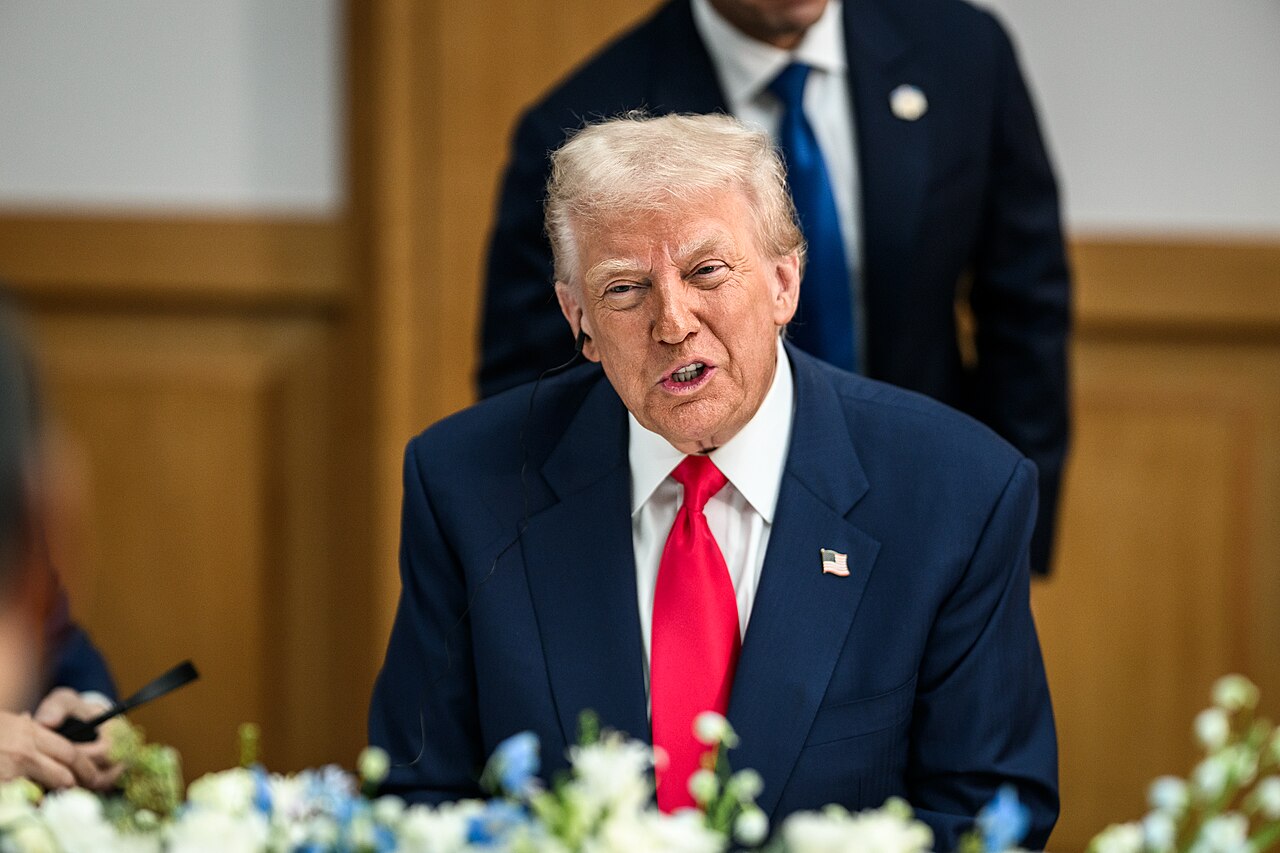
U.S. President Donald Trump said Tuesday that Iran allegedly shot down a U.S. Apache helicopter during a patrol mission over the Strait of Hormuz, escalating tensions in one of the world's most strategically important waterways.
In a statement shared on social media, Trump said he had been informed by U.S. military officials that an American Apache helicopter was brought down overnight while operating in the Strait of Hormuz. He described the aircraft as a “highly sophisticated Apache Helicopter” and said it was conducting routine patrol activities in the region at the time of the incident.
According to Trump's post, the helicopter was allegedly targeted and destroyed by Iranian forces. However, the president did not provide additional details regarding the circumstances of the attack, the location of the crash, possible casualties, or whether the crew survived.
The Strait of Hormuz remains a critical maritime corridor for global energy supplies, making any military confrontation in the area a significant concern for international markets and regional security. The reported incident could further heighten tensions between the United States and Iran, which have experienced periodic confrontations in the Gulf region over the years.
Trump emphasized that Washington would not ignore the alleged attack. “Nevertheless, the United States must, of necessity, respond to this attack,” he wrote, signaling that the U.S. government may consider retaliatory measures. The statement did not specify what form a response could take or when any action might occur.
As of Tuesday, U.S. defense officials had not publicly released further information regarding the reported helicopter loss. Iranian authorities also had not immediately issued a response to Trump's claims.
The situation is likely to draw close attention from global leaders, military analysts, and financial markets as observers await additional details about the reported incident and any potential U.S. response. The development adds another layer of uncertainty to an already volatile security environment in the Middle East.







