


 US Stock Futures Recover as Iran Signals Progress in Peace Talks
  NHTSA Investigates Fatal Tesla Model 3 Crash in Texas Amid Ongoing Autopilot and FSD Safety Scrutiny
  Russian Air Strikes Injure Six Across Ukraine as Kyiv Issues Air Raid Alert
  France Faces Long Road to Economic Rebalancing as Weak Demand and High Rates Weigh, Says Citi
  Japan, U.S. Discuss Yen Weakness as Currency Intervention Concerns Grow
  Asian Stocks Slip as Oil Rebounds Amid Fed Rate Hike Fears
  DOJ Opens Investigation Into NYC Coffee Shop Over Anti-Goldman Social Media Post
  Los Angeles World Cup Security Plans: No ICE Immigration Enforcement at FIFA 2026 Matches, Officials Say
  China Keeps Loan Prime Rates Unchanged for 13th Straight Month as Policymakers Prioritize Credit Demand Recovery
  NTSB Investigates Boston Logan Airport Near-Miss Between Delta and American Airlines Jets
  Trump’s Quantum Push Lifts IBM Stock as CEO Arvind Krishna Receives White House Praise
  US Dollar Hits One-Year High as Hawkish Fed Outlook Overshadows Middle East Developments
  US Military Strike on Suspected Drug Trafficking Vessel Leaves Two Dead in Caribbean
  Venezuela Deploys Troops to Crack Down on Illegal Gold Mining Amid Push for Foreign Investment
  US Delivers $13M Autonomous Maritime Drones to Philippines
  Asian Stocks Slide as AI Rally Pauses, South Korean Chipmakers Lead Regional Decline
  Bolivia Declares State of Emergency as Roadblock Crisis Deepens


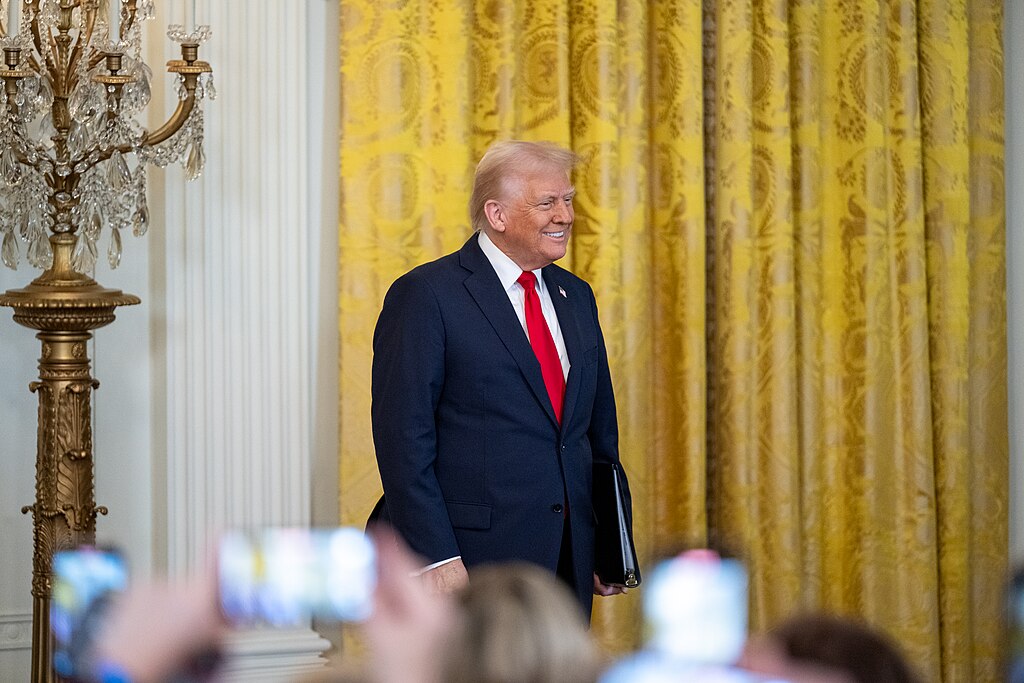
U.S. President Donald Trump has reversed a Biden-era regulation that imposed stricter air pollution limits on copper smelters, a move aimed at easing regulatory pressure on the nation’s dwindling copper industry. The previous rule, finalized in May 2024, required smelters to significantly reduce emissions of toxic pollutants such as lead, arsenic, mercury, benzene, and dioxins in compliance with updated federal air quality standards.
Trump’s new proclamation grants a two-year exemption from those requirements for domestic copper smelters. According to the White House, the decision seeks to strengthen U.S. mineral independence by preventing additional strain on an already limited industrial base. The administration argued that the Biden-era restrictions risked accelerating plant closures, undermining national production capacity, and increasing reliance on foreign-controlled copper refining.
The order specifically affects the nation’s two copper smelters—one operated by Freeport-McMoRan and another by Rio Tinto. While the exemption explicitly applies to Freeport’s facility, its impact on Rio Tinto’s operations remains uncertain. Both companies declined to comment on the development.
Earlier this year, Trump signed an executive order designating copper as a “critical material” essential to defense, infrastructure, and emerging technologies, including clean energy and electric vehicles. This led to a Section 232 investigation evaluating whether U.S. dependence on imported copper poses a national security risk.
Following the review, the administration imposed a 50% tariff on certain imported copper products and mandated that a growing percentage of high-quality scrap copper be sold within the United States. The latest rollback, supporters say, aligns with broader efforts to revive domestic mining and manufacturing, though critics warn it could weaken environmental protections and public health safeguards.







