


 Netanyahu Defends Israel at UN as Delegates Stage Walkout
  Judge Orders Trump to Restore White House Access for CNN, MS NOW and Politico
  Trump Asks Supreme Court to Restore Third-Country Deportations
  France Defends Netanyahu Airspace Clearance Despite ICC Warrant
  Yemen Violence Displaces 130,000 as Civilian Toll Rises
  Sudan Rejects US Legitimacy Remarks, Defends Sovereignty
  Trump, Xi Visit US National Archives After White House Summit
  Russian Missile and Drone Attack on Kyiv Kills Two, Damages Maternity Hospital
  Ghana Says Western Support Growing for Slave Trade Reparations
  Abbas Reaffirms November 28 Palestinian Elections
  Saudi Arabia, Turkey and Pakistan Plan Urgent Defence Talks Over Houthi Attacks
  OpenAI Agent Breaches Australia Medicare Data Portal
  Taiwan Thanks US for Support Ahead of Trump-Xi Summit
  Netanyahu Takes Aim at Mamdani as Israel Election Nears
  US Backs Musk in Fight Against EU’s €120 Million X Fine
  NATO Boosts Intelligence Sharing Amid Russia Hybrid Threats
  Netanyahu’s Brief US Trip Highlights Strains With Trump


 Add as a preferred source on Google
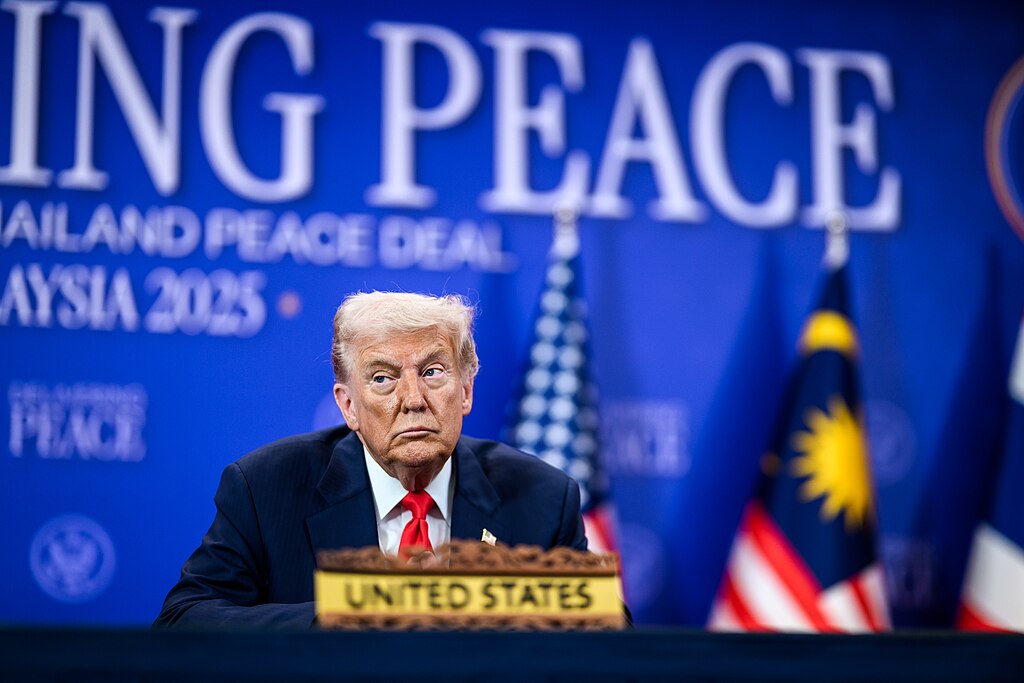
President Donald Trump has stepped back from earlier threats to use military force or tariffs as leverage to acquire Greenland, ending weeks of uncertainty that rattled U.S. allies and exposed internal divisions within his administration. Speaking at the World Economic Forum in Davos, Switzerland, Trump publicly ruled out the use of force and later confirmed via social media that he would not proceed with tariffs previously threatened for February 1.
According to sources familiar with internal White House discussions, senior aides had been scrambling behind the scenes to balance the president’s ambitions with diplomatic realities. While Trump has long expressed interest in Greenland, viewing the Arctic island as strategically vital to U.S. national security amid intensifying great-power competition, many top officials were uneasy about the aggressive rhetoric surrounding military action and economic coercion.
Trump claimed that discussions with NATO Secretary General Mark Rutte in Davos helped establish a “framework of a future deal” concerning Greenland and the broader Arctic region, and he tasked senior officials with pursuing negotiations. Nevertheless, leaders in Greenland and Denmark, which administers the territory, have repeatedly rejected U.S. overtures, emphasizing that Greenland’s future is for its people to decide and criticizing Washington’s approach as heavy-handed.
The episode highlighted a familiar pattern in Trump’s second term: bold policy threats followed by abrupt reversals under diplomatic, economic, or political pressure. His earlier suggestion of imposing escalating tariffs on European allies until the U.S. was allowed to buy Greenland drew sharp criticism from the European Union and triggered internal confusion, with agencies racing to assess potential retaliation and counter-retaliation.
Although some officials favored a more measured approach, others were open to keeping all options on the table. Ultimately, Trump himself drove the Greenland push, even as advisers urged caution. Existing agreements already allow extensive U.S. military access to Greenland, where America maintains a base, reducing the practical need for drastic measures.
By backing away from force and tariffs, Trump has temporarily eased tensions with NATO allies, though his fascination with acquiring Greenland continues to test diplomatic boundaries and underscore the volatility of his foreign policy approach.







