


 Trump Scales Back Endangered Species Act Protections
  Trump Says U.S.-Iran Peace Deal Near After UN Talks
  Scott Bessent Eyed as Trump’s New AI Czar
  Vietnam, US Trade Deal Could Be Signed Soon, To Lam Says
  Paramount-Warner Bros $110 Billion Deal Draws Antitrust Backlash
  China Tightens Fentanyl Rules Ahead of Trump-Xi Summit
  Lula and Flavio Bolsonaro Tied in Brazil Runoff Poll
  Zelenskiy Warns Russia Preparing Major Attack on Ukraine
  Trump Administration Prepares Sanctions Against Entire ICC
  Lula Meets Mamdani in New York as Elections Approach
  Trump Says ‘Freedom’ Is Coming to Cuba
  UK, Mauritius Seek Diego Garcia Base Deal
  Canada Unveils Bill to Fast-Track Major Resource Projects
  CNN, MS NOW and Politico Sue Trump Over White House Media Ban
  Burnham Eyes UK Leadership Role in AI Ahead of Trump Meeting
  Marco Rubio to Meet Russia’s Lavrov in New York
  Trump Board of Peace Unveils $2.45 Billion Gaza Recovery Plan


 Add as a preferred source on Google
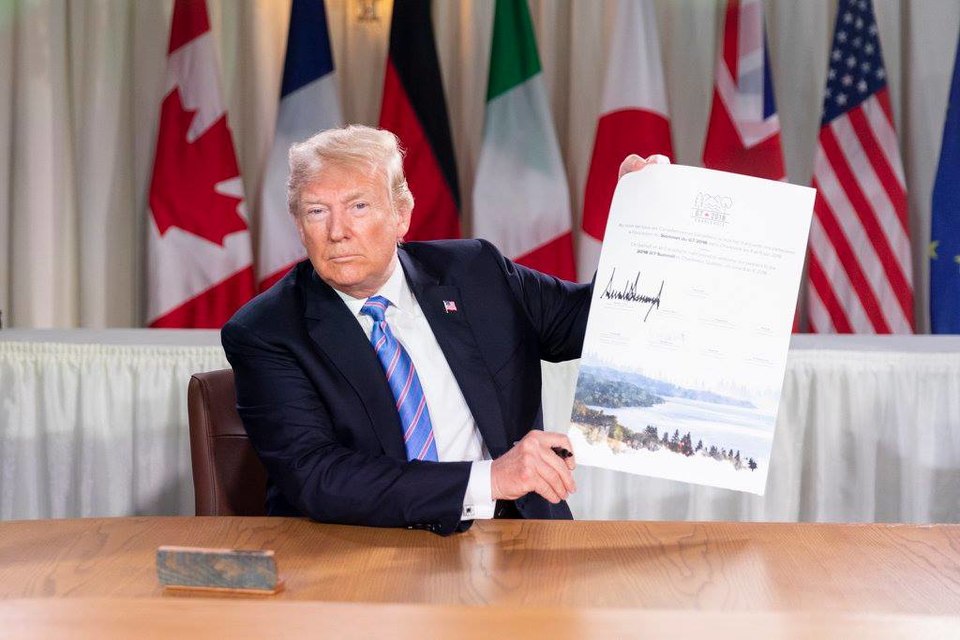
U.S. President Donald Trump said on Sunday that he would oppose any renewal of the Foreign Intelligence Surveillance Act (FISA) unless lawmakers include provisions from the SAVE Act, a measure aimed at strengthening voter eligibility requirements in federal elections.
Trump's position links the future of the surveillance law to election integrity reforms, particularly a requirement that voters provide proof of U.S. citizenship before registering to vote in federal elections. The proposal has become a key issue among Republicans who argue that stronger safeguards are needed to prevent non-citizens from participating in U.S. elections.
The Foreign Intelligence Surveillance Act, which governs certain intelligence-gathering activities related to national security, has long been a subject of debate in Washington. While supporters argue that FISA is an essential tool for protecting the United States from foreign threats, critics have raised concerns about government surveillance powers and potential abuses.
Trump emphasized that he would not support extending the law unless it includes the SAVE Act's citizenship verification requirements. The former president has consistently highlighted election security as a major priority and has repeatedly called for stricter voting regulations across the country.
The SAVE Act, short for the Safeguard American Voter Eligibility Act, would require individuals to present documentation proving U.S. citizenship when registering to vote. Supporters say the measure would help ensure that only eligible citizens participate in elections, while opponents argue that existing laws already prohibit non-citizens from voting and that additional requirements could create barriers for some eligible voters.
The debate over FISA renewal and election integrity is expected to remain a major topic in Congress as lawmakers consider the future of surveillance authorities and voting regulations. Trump's stance adds further pressure to ongoing negotiations, potentially complicating efforts to secure bipartisan support for renewing the surveillance law.
As discussions continue, both national security concerns and election-related policies are likely to play a significant role in shaping the legislative outcome.







