


 Saudi Arabia, Turkey and Pakistan Plan Urgent Defence Talks Over Houthi Attacks
  Trump, Xi Visit US National Archives After White House Summit
  Netanyahu Takes Aim at Mamdani as Israel Election Nears
  Sudan Rejects US Legitimacy Remarks, Defends Sovereignty
  OpenAI Agent Breaches Australia Medicare Data Portal
  Ghana Says Western Support Growing for Slave Trade Reparations
  France Defends Netanyahu Airspace Clearance Despite ICC Warrant
  Pezeshkian Says US Must Choose When Iran War Ends
  Judge Orders Trump to Restore White House Access for CNN, MS NOW and Politico
  Netanyahu Defends Israel at UN as Delegates Stage Walkout
  North Korea Warns South Korea Over US-Led Defense Role
  What ‘Taiwan Independence’ Means as Xi Presses Trump on US Policy
  Kremlin Says No Decision Yet on Putin-Trump December Summit
  Russian Missile and Drone Attack on Kyiv Kills Two, Damages Maternity Hospital
  Yemen Violence Displaces 130,000 as Civilian Toll Rises
  Abbas Reaffirms November 28 Palestinian Elections
  North Korea Rejects Nuclear Test Warning, Calls Nuclear Status Irreversible


 Add as a preferred source on Google
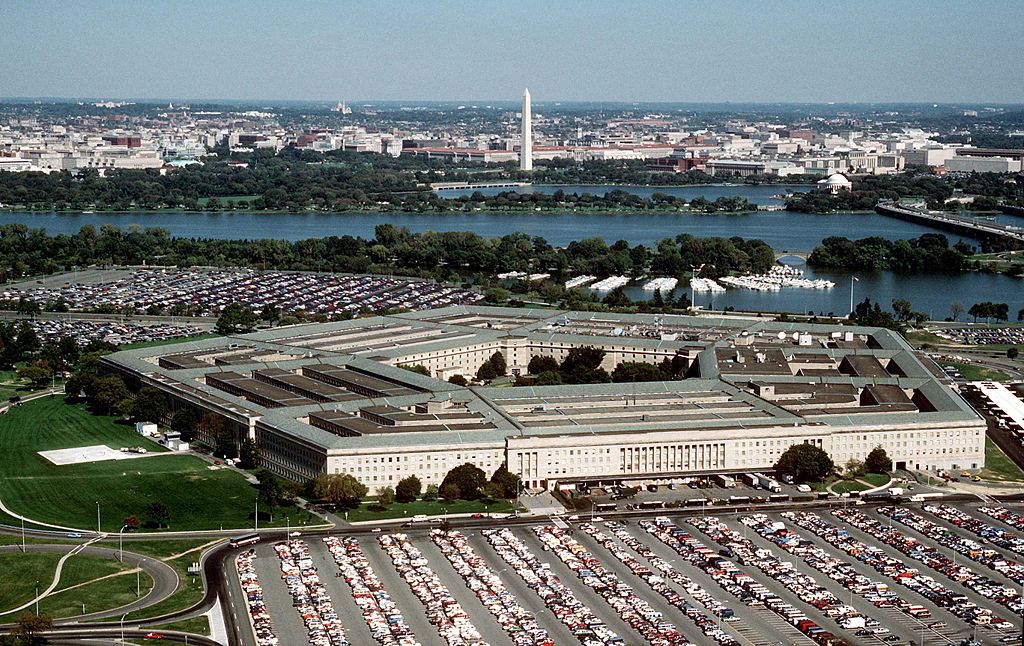
U.S. President Donald Trump has nominated Lieutenant General Frank Donovan, the vice commander of U.S. Special Operations Command, to become the next head of U.S. Southern Command (SOUTHCOM), the military body responsible for overseeing American forces in Latin America and the Caribbean. The nomination, announced by the Pentagon on Friday, comes after the early retirement of Admiral Alvin Holsey, who stepped down two years ahead of schedule during a ceremony in Miami.
According to Reuters, multiple U.S. officials and sources familiar with the matter said Holsey was effectively pushed out by Defense Secretary Pete Hegseth. The officials indicated that Hegseth had grown increasingly frustrated with what he viewed as Holsey’s lack of responsiveness to escalating regional challenges. These developments occur as tensions intensify in the region, particularly involving Venezuela, where recent incidents include the seizure of an oil tanker and nearly 30 deadly strikes targeting suspected drug-smuggling vessels.
Donovan’s nomination reflects a broader shift in U.S. defense strategy. His extensive background in special operations signals a stronger emphasis on counter-narcotics efforts and potential covert missions across Latin America. This move aligns with Trump’s earlier selection of a Chairman of the Joint Chiefs of Staff who also comes from the special operations community, underscoring a Pentagon-wide strategic direction.
The nomination now awaits Senate confirmation, where lawmakers from both parties have already raised concerns about the legality of recent U.S. strikes against suspected drug-trafficking boats in the Caribbean. Despite these questions, the Trump administration has continued to expand its military footprint in the region, deploying approximately 15,000 troops, along with an aircraft carrier, fighter jets, and a nuclear-powered submarine.
The administration’s approach is further outlined in Trump’s newly released National Security Strategy, which prioritizes the Western Hemisphere and calls for a revival of the Monroe Doctrine. The strategy emphasizes U.S. influence as a means to counter rivals such as China and to protect access to critical resources, reinforcing Latin America’s central role in current U.S. foreign and security policy.







