


 US, China Extend Trade Truce to Jan. 10 Ahead of Trump-Xi Summit
  Netanyahu’s Brief US Trip Highlights Strains With Trump
  Gaza Faces Evacuation Crisis as War-Damaged Buildings Risk Collapse
  South Korea, US Discuss Warship Building Cooperation
  Yemen Violence Displaces 130,000 as Civilian Toll Rises
  Trump, Xi Focus on Trade and AI at White House Summit
  Trump Asks Supreme Court to Restore Third-Country Deportations
  North Korea Rejects Nuclear Test Warning, Calls Nuclear Status Irreversible
  US Invites Putin to Miami G20, Opening Door to Trump Summit
  Abbas Reaffirms November 28 Palestinian Elections
  Russian Envoy Dmitriev Heads to US for Ukraine Talks
  US Officials Split Over Response to Israeli West Bank Settlements
  Russian Missile and Drone Attack on Kyiv Kills Two, Damages Maternity Hospital
  OpenAI Agent Breaches Australia Medicare Data Portal
  North Korea Warns South Korea Over US-Led Defense Role
  Mexico-US Trade Talks Delayed to October as Tariff Negotiations Continue
  Judge Orders Trump to Restore White House Access for CNN, MS NOW and Politico


 Add as a preferred source on Google
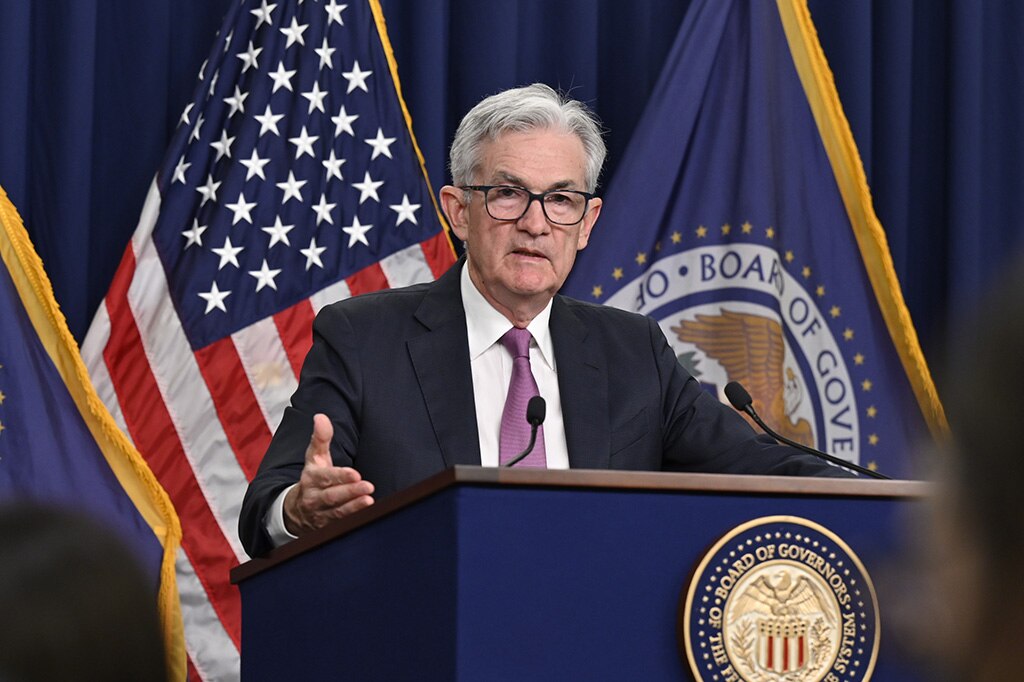
White House economic adviser Kevin Hassett confirmed on Friday that President Donald Trump is still considering the option of firing Federal Reserve Chair Jerome Powell, signaling a continued strain between the White House and the central bank. Hassett’s remarks came a day after Trump publicly criticized Powell for not cutting interest rates, accusing him of “playing politics” and claiming he could remove him “real fast.”
The potential firing raises alarms over the Fed's independence, a cornerstone of its credibility with global markets. Powell, appointed by former President Obama and elevated to Fed chair by Trump, has stated that he will not step down if asked and intends to serve through his term ending in May 2026. Legal uncertainty surrounds whether Trump can actually fire Powell, but a pending Supreme Court case on federal board appointments may influence future actions.
Trump’s criticism stems from frustration over the Fed's reluctance to lower interest rates, particularly as he ramps up tariffs that could drive inflation and slow growth. Powell and other Fed officials have cautioned that such tariffs pose economic risks, reinforcing their current wait-and-see stance on rate adjustments. The Fed has held its benchmark rate steady at 4.25% to 4.50% since December.
Hassett distanced himself from his previous opposition to firing Powell, saying new legal interpretations could change the administration’s stance. He emphasized Trump’s economic policies are boosting investment and jobs, while accusing the Fed of double standards in treating Trump-era tax cuts as inflationary but ignoring what he called Biden’s “runaway spending.”
Markets are watching closely. Experts warn that any move to undermine Fed independence could trigger severe financial volatility and increase the risk of stagflation, especially amid the unpredictable rollout of Trump’s new trade tariffs.







