


 Xi Calls for Deeper U.S.-China AI Cooperation in Trump Talks
  Trump, Xi Focus on Trade and AI at White House Summit
  What ‘Taiwan Independence’ Means as Xi Presses Trump on US Policy
  Taiwan Thanks US for Support Ahead of Trump-Xi Summit
  Netanyahu Defends Israel at UN as Delegates Stage Walkout
  OpenAI Agent Breaches Australia Medicare Data Portal
  France Defends Netanyahu Airspace Clearance Despite ICC Warrant
  Russian Missile and Drone Attack on Kyiv Kills Two, Damages Maternity Hospital
  South Korea, US Discuss Warship Building Cooperation
  Judge Orders Trump to Restore White House Access for CNN, MS NOW and Politico
  US Backs Musk in Fight Against EU’s €120 Million X Fine
  Mexico-US Trade Talks Delayed to October as Tariff Negotiations Continue
  Najib Razak Seeks Stay of 15-Year 1MDB Prison Sentence
  Kremlin Says No Decision Yet on Putin-Trump December Summit
  Yemen Violence Displaces 130,000 as Civilian Toll Rises
  Netanyahu’s Brief US Trip Highlights Strains With Trump
  Ghana Says Western Support Growing for Slave Trade Reparations


 Add as a preferred source on Google
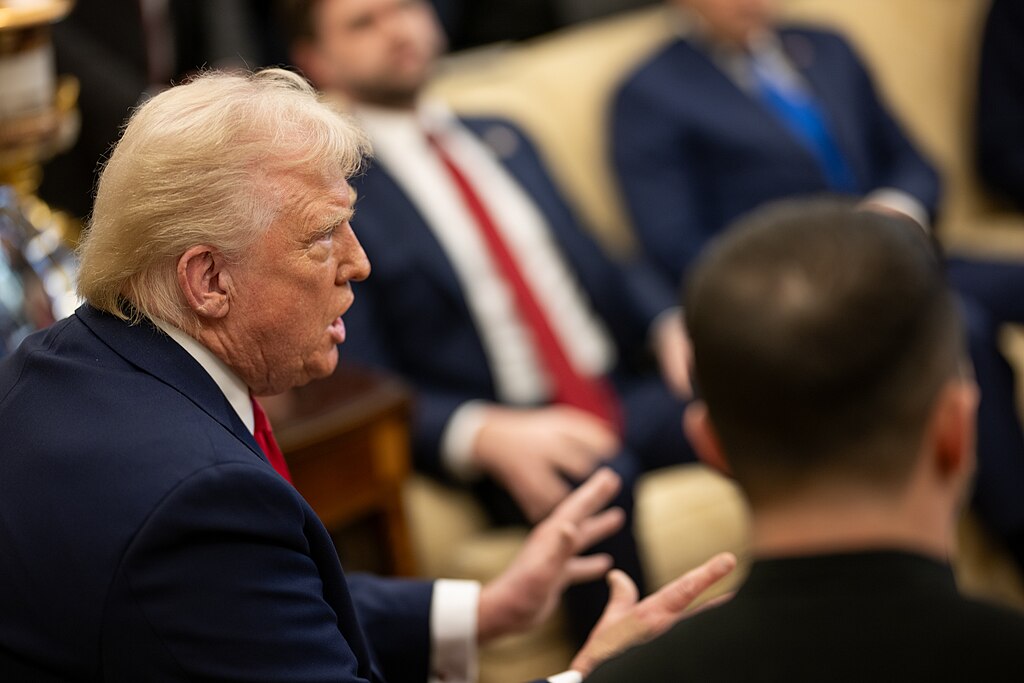
U.S. President Donald Trump has initiated a new effort to label certain Muslim Brotherhood chapters as foreign terrorist organizations, a step that could impose sanctions on one of the Arab world’s most longstanding and influential Islamist movements. The decision, outlined in a recent executive order, directs Secretary of State Marco Rubio and Treasury Secretary Scott Bessent to evaluate and report on whether Brotherhood groups in countries such as Egypt, Lebanon, and Jordan meet the criteria for designation. Once the report is delivered, the secretaries would have 45 days to move forward with any recommended actions.
According to a White House fact sheet, the Trump administration argues that specific Muslim Brotherhood factions have supported or encouraged violent operations against Israel and U.S. partners in the region, or have provided material support to Hamas. The administration describes the move as part of a broader strategy to confront what it calls a “transnational network” that promotes terrorism and destabilization across the Middle East.
Republican leaders and conservative policymakers have long pushed for the U.S. to formally designate the Muslim Brotherhood as a terrorist entity. Trump pursued a similar initiative during his first term, and following the start of his second term, Rubio stated that the administration was again working toward designation. In a parallel move at the state level, Texas Governor Greg Abbott recently imposed the same classification on the organization.
Founded in Egypt in the 1920s, the Muslim Brotherhood emerged as an Islamic political movement responding to the rising influence of secular and nationalist ideologies. Over the decades, it expanded throughout the Muslim world, becoming a major but often clandestine political force. While some factions have engaged in mainstream politics, others have been accused of involvement in extremist activities, prompting ongoing international debate over how to classify the organization.
The renewed U.S. push underscores longstanding tensions surrounding the Brotherhood’s role in regional politics and its complex network of affiliates across the Middle East.







