


 FDA Names Permanent Drug and Biologics Center Chiefs
  Saudi Arabia, Turkey and Pakistan Plan Urgent Defence Talks Over Houthi Attacks
  Colombia Extradites FARC Dissident Leader ‘Spider’ to US
  Pentagon Restarts Testosterone Testing for US Troops
  US Bans Canadian Alcohol, Motorcycles as Trade War Escalates
  FCC Approves Foreign Investment in $110B Paramount-Warner Bros. Deal
  NATO Boosts Intelligence Sharing Amid Russia Hybrid Threats
  White House Bars CNN, MS NOW and Politico Reporters
  Pezeshkian Says US Must Choose When Iran War Ends
  Trump, Xi Focus on Trade and AI at White House Summit
  US Immigration Arrests Surge as Deportations Lag Behind
  EU Defence Build-Up Too Slow for 2030 Russia Readiness Goal
  Trump, Xi Visit US National Archives After White House Summit
  Nvidia-Groq AI Chip Deal Faces U.S. Antitrust Probe
  China Reviews Broadcom Switch Use in State Data Centres
  Who should own the knowledge that underpins AI technology?


 Add as a preferred source on Google
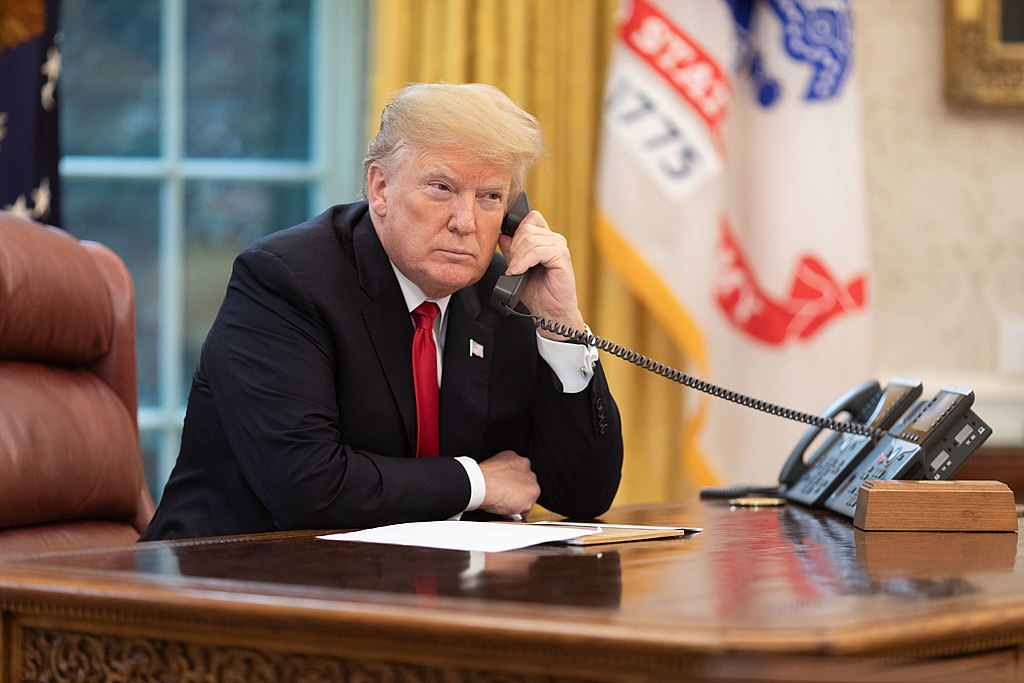
U.S. President Donald Trump has signed an executive order declaring the antifa movement a “terrorist organization,” days after the assassination of conservative activist Charlie Kirk. Kirk, a close Trump ally, was shot and killed on September 10 while speaking at a Utah college. A 22-year-old student has been charged, though investigators have not linked the crime to any organized group.
The White House said Trump’s order directs federal agencies to investigate, disrupt, and dismantle alleged antifa operations and funding. The move revives long-standing efforts by the Trump administration to target left-wing groups it views as violent or hostile to conservative speech.
Antifa, short for anti-fascist, is not a formal group but a decentralized movement, according to the Anti-Defamation League. While some individuals have engaged in violence at protests, experts note such actions are not representative of the broader movement.
Critics warn the order could threaten free speech and civil liberties, since U.S. law does not currently allow for purely domestic groups to be designated as terrorist organizations. A Justice Department official told Reuters the order will expand surveillance powers, enabling the government to track finances, wire transfers, and possible foreign connections linked to antifa-affiliated individuals or organizations.
The FBI’s Counterterrorism and Counterintelligence divisions will lead investigations, with a particular focus on foreign funding of U.S. political activity. A White House source emphasized the aim of exposing international money trails supporting antifa networks.
Legal experts caution the move may face constitutional challenges, as ideology-based designations are difficult to enforce. Analysts also highlight that far-right extremists, not left-wing groups, have historically been responsible for most domestic terror incidents in the U.S.
This latest effort underscores Trump’s strategy of framing left-wing activists as primary drivers of political violence following Kirk’s death.







