


 Asian Currencies Mixed as Dollar Holds Near Two-Month High
  Japan Private-Sector Growth Slows as Domestic Demand Weakens
  Trump, Xi Visit US National Archives After White House Summit
  Japanese Bank Stocks Surge as Bond Yields Fuel Rate Hike Bets
  Kremlin Says No Decision Yet on Putin-Trump December Summit
  Mexico-US Trade Talks Delayed to October as Tariff Negotiations Continue
  Trump, Xi Focus on Trade and AI at White House Summit
  Gold Holds Near $4,275 as Rising Treasury Yields Fuel Fed Rate Hike Bets
  U.S. 10-Year Treasury Yield Hits 2007 High as Fed Rate Hike Bets Rise
  Dollar Holds Near Two-Month High as Yen Approaches 160
  Netanyahu Takes Aim at Mamdani as Israel Election Nears
  Oil Prices Surge as U.S.-Iran Diplomacy Hopes Fade
  Netanyahu Defends Israel at UN as Delegates Stage Walkout
  Russian Envoy Dmitriev Heads to US for Ukraine Talks
  OpenAI Agent Breaches Australia Medicare Data Portal
  Trump Asks Supreme Court to Restore Third-Country Deportations
  Fed Unveils Stablecoin Rules Under GENIUS Act


 Add as a preferred source on Google
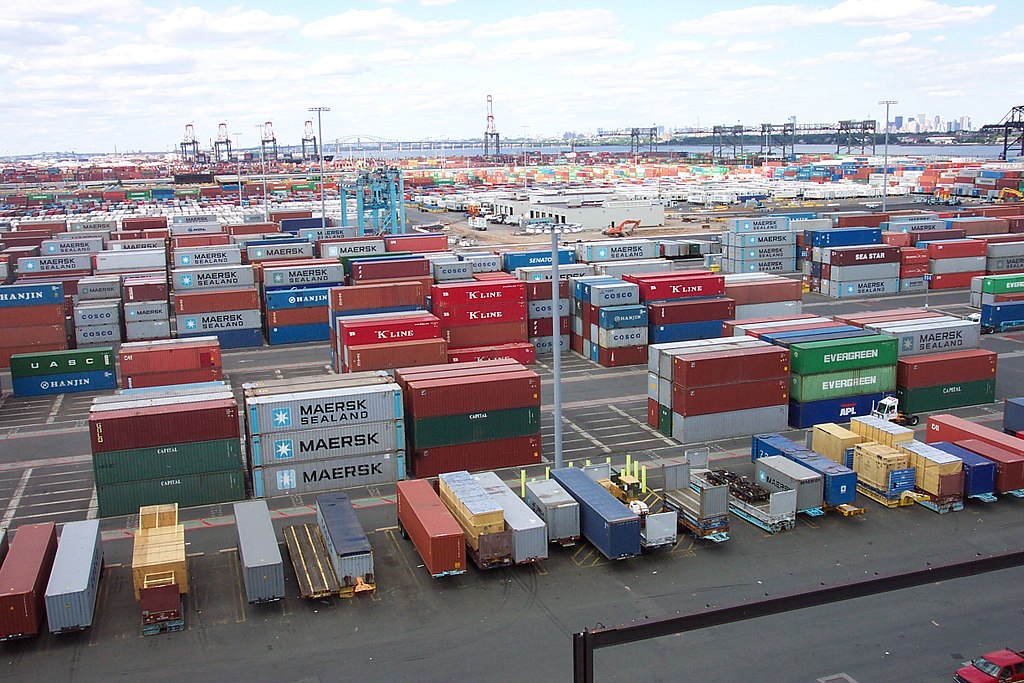
U.S. President Donald Trump announced a 35% trade tariff on Canadian imports starting August 1, citing the flow of Fentanyl and alleged unfair trade practices as key reasons. In a letter to Canadian Prime Minister Mark Carney, Trump emphasized that the new tariff will be separate from previously announced sectoral tariffs targeting automobiles and key commodities.
Trump accused Canada of contributing to the illegal Fentanyl crisis in the U.S. and claimed the Canadian government imposes excessively high tariffs on American products, particularly pointing to a 400% duty on U.S. dairy exports. He argued these issues not only create trade imbalances but also pose national security risks.
Warning against retaliation, Trump urged Canadian firms to shift manufacturing to the U.S., promising swift regulatory approvals and exemption from tariffs for companies that relocate operations. He also stated he would consider easing the new duties if Canada takes action to curb the Fentanyl trade into the U.S.
This move follows a series of tariff announcements by Trump targeting key U.S. trade partners. Earlier this week, the administration unveiled 25% tariffs on imports from South Korea and Japan. These measures are part of Trump’s broader "Liberation Day" economic agenda aimed at revamping global trade relations and encouraging domestic manufacturing.
While originally scheduled to begin on July 9, Trump postponed the tariff implementation to August 1 to allow countries more time to negotiate new trade deals with Washington. The aggressive trade stance has drawn criticism internationally, but Trump maintains it’s a necessary step to protect American workers and industries from what he deems unfair foreign policies.
The escalating trade tensions signal a tougher U.S. stance as Trump pushes for stronger domestic production and tighter control over drug-related imports.







