


 Wall Street Ends Flat as Oil, Treasury Yields and Fed Jitters Rattle Markets
  Asian Stocks Fall as Bond Yields Surge Ahead of Trump-Xi Summit
  Asian Currencies Mixed as Dollar Holds Near Two-Month High
  Trump Administration Plans Faster FDA Reviews for Smoke-Free Nicotine Products
  Japan Private-Sector Growth Slows as Domestic Demand Weakens
  Russian Envoy Dmitriev Heads to US for Ukraine Talks
  Taiwan Thanks US for Support Ahead of Trump-Xi Summit
  Gold Drops Over 1% as Dollar, Treasury Yields Surge on Fed Rate Hike Bets
  Fed Unveils Stablecoin Rules Under GENIUS Act
  US 10-Year Treasury Yield at 6% Emerges as New Market Risk Threshold
  Mexico-US Trade Talks Delayed to October as Tariff Negotiations Continue
  Netanyahu Defends Israel at UN as Delegates Stage Walkout
  Oil Prices Jump 3% as Houthi Attack Revives Supply Fears
  Dollar Hits Two-Month High as Fed Rate Hike Bets Rise
  US, China Extend Trade Truce to Jan. 10 Ahead of Trump-Xi Summit
  US Senate Rejects Iran War Powers Resolution in 50-49 Vote
  Oil Prices Surge as U.S.-Iran Diplomacy Hopes Fade


 Add as a preferred source on Google
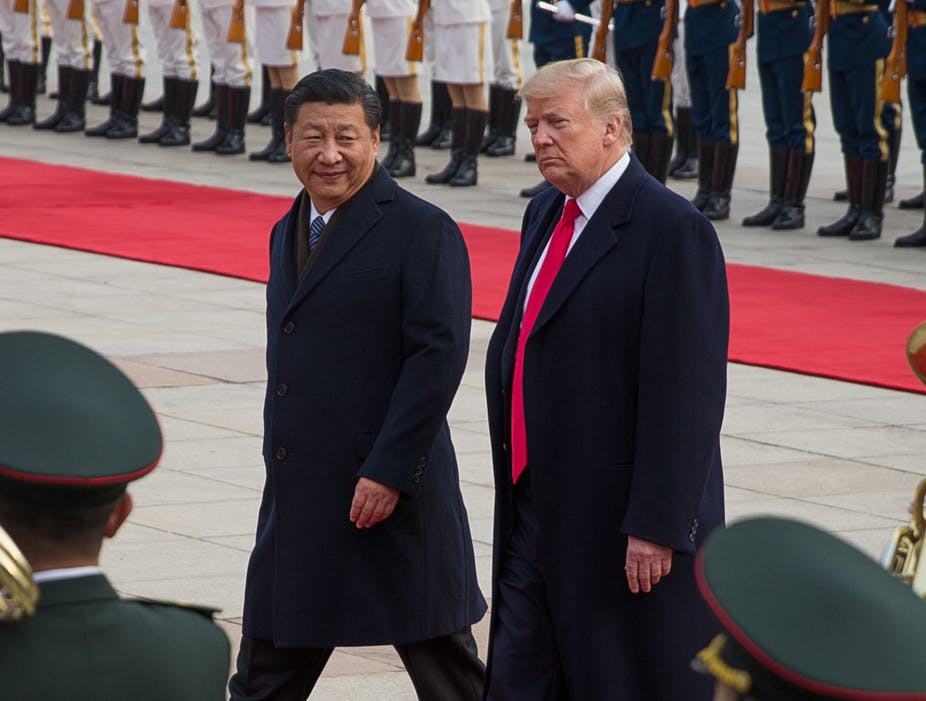
U.S. President Donald Trump is expected to pressure Chinese President Xi Jinping to help end the ongoing Iran conflict during their upcoming meeting, but analysts believe Beijing is unlikely to fully cooperate. China remains one of Iran’s strongest economic and strategic allies, making it difficult for Washington to secure meaningful concessions despite rising geopolitical tensions and soaring global oil prices.
The conflict between the United States and Iran has created instability across global energy markets, especially around the Strait of Hormuz, a critical shipping route for international oil supplies. China, as the world’s largest buyer of Iranian oil, has significant influence over Tehran. Trump administration officials reportedly hope Beijing can encourage Iran to return to negotiations and stabilize the region. However, China’s leadership appears more focused on protecting its long-term regional interests than aligning with U.S. foreign policy goals.
Experts say China benefits strategically from the situation because it diverts American military attention away from the Indo-Pacific region. At the same time, Beijing wants the Strait of Hormuz to remain open since much of its oil imports pass through the waterway. While China may support diplomatic discussions, analysts doubt Xi will cut economic ties with Iran or restrict the flow of dual-use goods that support Iran’s military operations.
The United States still holds powerful economic tools, including sanctions targeting Chinese financial institutions involved in Iranian oil trade. However, experts warn that imposing sanctions on major Chinese banks could trigger severe economic retaliation from Beijing and reignite a damaging trade war between the world’s two largest economies. Concerns also remain over China potentially restricting exports of critical rare earth minerals essential to U.S. industries.
Analysts believe China will continue balancing its economic interests, regional influence, and rivalry with the United States while avoiding deeper involvement in the Middle East conflict.







