


 Russian Missile and Drone Attack on Kyiv Kills Two, Damages Maternity Hospital
  Pezeshkian Says US Must Choose When Iran War Ends
  Kremlin Says No Decision Yet on Putin-Trump December Summit
  France Defends Netanyahu Airspace Clearance Despite ICC Warrant
  NATO Boosts Intelligence Sharing Amid Russia Hybrid Threats
  Europe Warns Russia Is Escalating Hybrid Attacks Across NATO
  Judge Orders Trump to Restore White House Access for CNN, MS NOW and Politico
  North Korea Warns South Korea Over US-Led Defense Role
  US Officials Split Over Response to Israeli West Bank Settlements
  Netanyahu Defends Israel at UN as Delegates Stage Walkout
  Russian Envoy Dmitriev Heads to US for Ukraine Talks
  Yemen Violence Displaces 130,000 as Civilian Toll Rises
  Trump, Xi Focus on Trade and AI at White House Summit
  Taiwan Thanks US for Support Ahead of Trump-Xi Summit
  Ghana Says Western Support Growing for Slave Trade Reparations
  Abbas Reaffirms November 28 Palestinian Elections
  Sudan Rejects US Legitimacy Remarks, Defends Sovereignty


 Add as a preferred source on Google
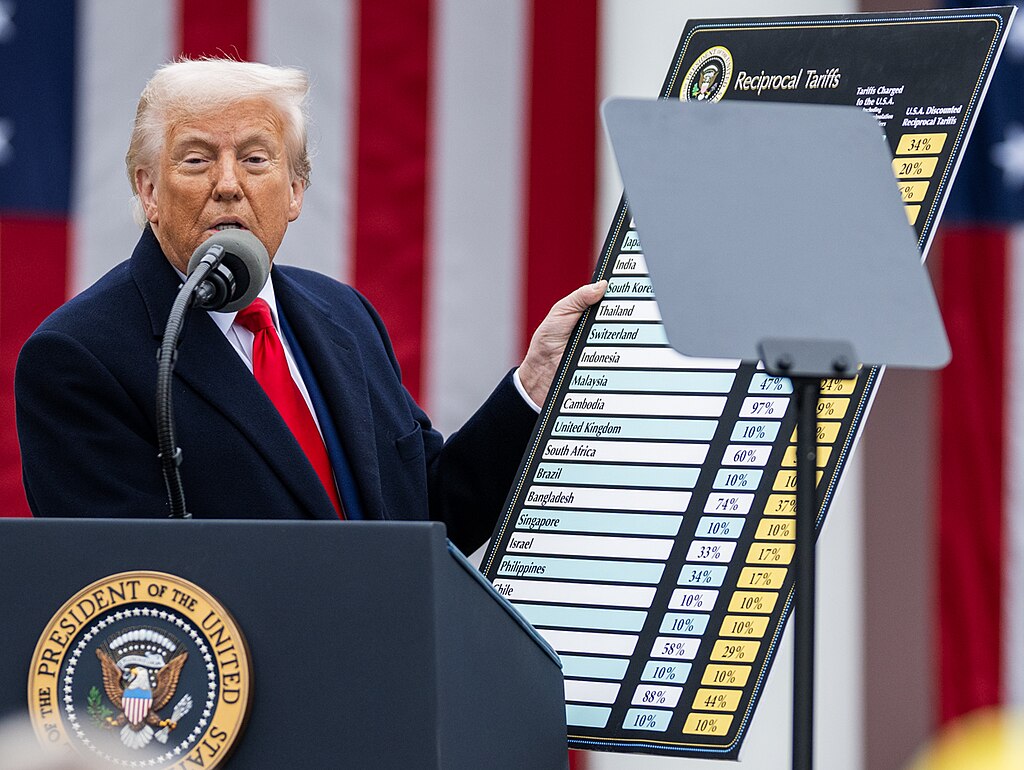
U.S. President Donald Trump reinforced his trade strategy on Tuesday, touting the benefits of tariffs and emphasizing America’s position in global trade. In his remarks, Trump declared that tariffs on automobiles, steel, and aluminum have significantly reduced the U.S. trade deficit and generated substantial revenue, particularly from countries like China.
Trump insisted that the U.S. is “doing fine with China,” contrasting his administration's results with what he described as massive trade losses under previous leadership—claiming the U.S. lost “$5 billion a day” before his policies took effect. He credited the 25% tariff on imported autos, along with similar levies on steel and aluminum, as key tools in bringing the trade deficit down to “a very low number.”
Addressing recent tensions with the Federal Reserve, Trump clarified that he has no intention of removing Fed Chair Jerome Powell, despite earlier criticisms for not cutting interest rates swiftly enough.
Trump also criticized past trade agreements, asserting that the U.S. was taken advantage of by global partners due to weak leadership. He reaffirmed his commitment to “Make America Great Again” by renegotiating trade deals that ensure fair terms for American businesses and workers.
On the stock market, Trump acknowledged current volatility but described it as part of a necessary “transition period.” He stated that America holds valuable leverage and is using it to secure better deals.
Concluding his remarks, Trump warned that countries unwilling to engage on new terms will face tougher U.S. positions, asserting, “We’ll set the deal.” He expressed confidence in swift negotiations, noting that discussions are already underway with several nations.
This message aligns with Trump’s ongoing trade-first agenda and signals further assertive U.S. positioning on the global stage.







