


 Trump Asks Supreme Court to Restore Third-Country Deportations
  US Resumes Immigrant Visa Processing for Hungary, Poland
  EQT Plans €1.7 Billion Sale of Parques Reunidos Stake
  Netanyahu’s Brief US Trip Highlights Strains With Trump
  SMBC Eyes 20% VPBank Stake in Vietnam Expansion
  JPMorgan Names Lavatelli Japan Chief in Leadership Shake-Up
  DOJ Will Investigate AI-Related Crimes, Attorney General Blanche Says
  Tencent Launches TenPayGo Payment App for Foreign Tourists in China
  Meta Connect Spotlights Camera-Free Smart Glasses Amid Privacy Concerns
  Trump Administration Removes Confederate Memorial Criticism From Arlington Website
  BMW 2028 Margin Target Could Fall Below Consensus, UBS Says
  Russian Missile and Drone Attack on Kyiv Kills Two, Damages Maternity Hospital
  SpaceXAI to Double Nvidia Chips at Colossus 2 by Year-End
  Apple Extends Qualcomm Patent Licensing Deal
  Yemen Violence Displaces 130,000 as Civilian Toll Rises
  Airbus Finds A321neo Fuselage Quality Issue
  Trump Bans CNN, MS NOW and Politico From White House


 Add as a preferred source on Google
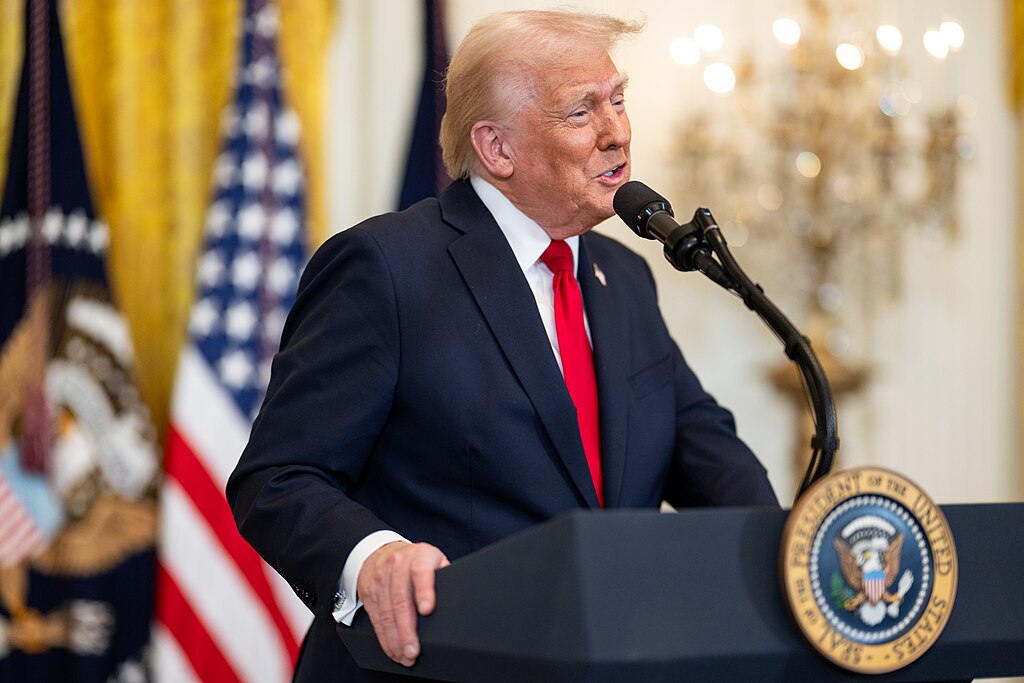
President Donald Trump has ordered Hong Kong-based Suirui International to divest its ownership in U.S. audiovisual equipment maker Jupiter Systems, citing national security concerns. The decision, announced by the U.S. Treasury Department on Friday, follows a review by the Committee on Foreign Investment in the United States (CFIUS), which flagged the acquisition as a security risk.
The Treasury Department stated that Suirui, a Chinese company specializing in cloud communication services, posed potential threats due to Jupiter’s technology being used in sensitive military and critical infrastructure environments. The companies originally agreed to the deal in early 2020.
Under the presidential order, Suirui must fully divest from Jupiter within 120 days. Additionally, Jupiter is prohibited from retaining any interest in Chinese subsidiaries or assets created post-acquisition. This move aligns with ongoing U.S. efforts to curb Chinese influence in sectors deemed critical to national security, including technology and defense.
Tensions between Washington and Beijing have escalated in recent years, with disputes over trade, cybersecurity, and geopolitical influence fueling restrictions on Chinese investment in the U.S. tech sector. Trump has consistently characterized China as a strategic threat, reinforcing scrutiny on deals involving Chinese ownership of American firms.
Jupiter Systems confirmed awareness of the divestment order and stated it is working with legal counsel and stakeholders to evaluate next steps. The company assured that operations will continue without disruption during the review process.
Neither Suirui nor the Chinese embassy in Washington provided an immediate response. Beijing has previously denied posing any security threats to the U.S. and criticized such actions as politically motivated.
The case underscores the heightened oversight of foreign investments in the U.S., particularly those involving Chinese entities and companies tied to national defense infrastructure.







