


 US Immigration Arrests Surge as Deportations Lag Behind
  Trump Plans Military Complex Inside Washington Triumphal Arch
  Strait of Hormuz Oil Shipments Hit Six-Month High as U.S. Clears Mines
  Nvidia-Groq AI Chip Deal Faces U.S. Antitrust Probe
  DOJ Will Investigate AI-Related Crimes, Attorney General Blanche Says
  Vietnam, US Trade Deal Could Be Signed Soon, To Lam Says
  US Judge Dismisses Imran Ahmed Deportation Lawsuit
  Canada Unveils Bill to Fast-Track Major Resource Projects
  Australia Defends Social Media Algorithm Law Amid US Concerns
  Pentagon Restarts Testosterone Testing for US Troops
  US, Japan and South Korea Back Taiwan Ahead of Trump-Xi Summit
  FAA Allows Boeing to Sell 35 More 777F Freighters Beyond 2028
  Macron, Trump Discuss Ukraine-Russia Energy Strike Moratorium
  FDA Weighs Safety Standards for Psychedelic Therapies
  UK Home Asking Prices Rise for First Time Since May
  FCC Approves Foreign Investment in $110B Paramount-Warner Bros. Deal


 Add as a preferred source on Google
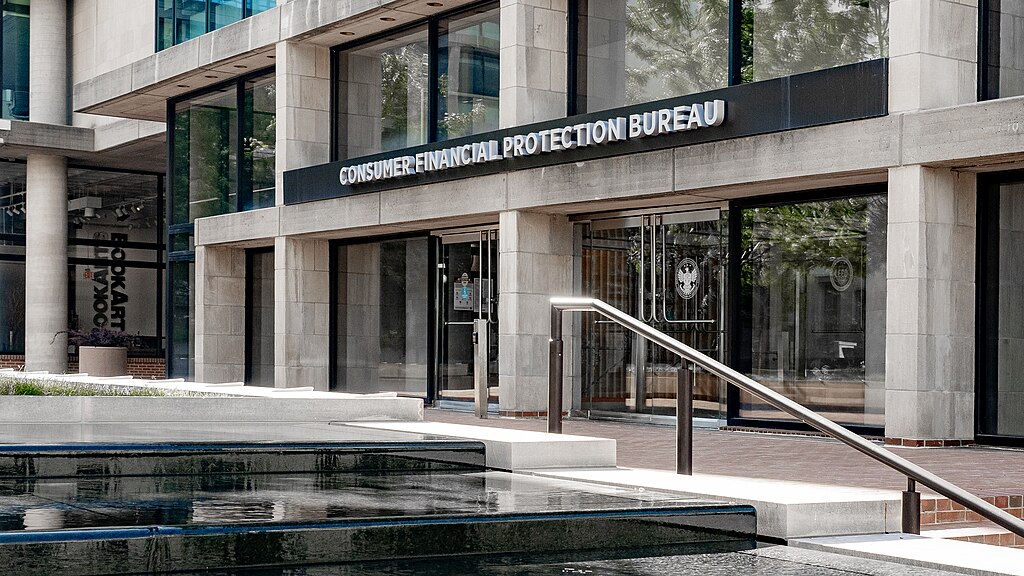
The Trump administration has significantly weakened the U.S. Consumer Financial Protection Bureau (CFPB), leaving consumers vulnerable to unfair financial practices. Acting chief Russell Vought halted the agency’s operations, effectively removing oversight on financial institutions.
Created in response to the 2008 financial crisis, the CFPB has played a critical role in enforcing consumer protection laws, regulating credit cards, mortgages, and bank accounts. Experts warn that gutting the agency will limit recourse for consumers facing predatory practices. Aaron Klein of the Brookings Institution likened the move to putting the financial sector’s watchdogs on an indefinite break.
The White House dismissed the agency as a “woke, weaponized bureaucracy” and pledged to rein it in. Critics argue that this move leaves major financial institutions unchecked, potentially increasing risks for consumers. The CFPB has enforced laws preventing predatory lending, discrimination, and excessive fees while also regulating payday loans and credit reporting practices.
Eliminating the agency’s enforcement capacity halts protections, particularly for low-income borrowers who rely on safeguards against exploitative financial products. Experts warn of a “chain effect,” where vulnerable consumers with limited safety nets may face greater financial strain.
Previously, states coordinated enforcement with the CFPB, but with federal oversight weakened, consumer protection now varies state by state, creating regulatory inconsistencies. While banks and credit unions remain regulated, many fintech firms and mortgage lenders lack oversight beyond the CFPB.
Legal experts predict the shift could foster unethical competition, where businesses willing to exploit regulatory gaps gain an advantage over responsible firms. This uncertainty may negatively impact both consumers and businesses accustomed to a stable regulatory environment.
With the CFPB effectively sidelined, consumer protections are at risk, raising concerns about fairness and accountability in the financial sector.







