


 South Korea, US Discuss Warship Building Cooperation
  Yemen Violence Displaces 130,000 as Civilian Toll Rises
  US 10-Year Treasury Yield at 6% Emerges as New Market Risk Threshold
  Dollar Holds Near Two-Month High as Yen Approaches 160
  Ukrainian Drone Attacks Hit Russian Regions, Injuring at Least 12
  Najib Razak Seeks Stay of 15-Year 1MDB Prison Sentence
  US Senate Rejects Iran War Powers Resolution in 50-49 Vote
  Russian Envoy Dmitriev Heads to US for Ukraine Talks
  Trump Asks Supreme Court to Restore Third-Country Deportations
  Sudan Rejects US Legitimacy Remarks, Defends Sovereignty
  Fed Unveils Stablecoin Rules Under GENIUS Act
  U.S. Dollar Hits Two-Month High as Oil, Treasury Yields Surge
  Ghana Says Western Support Growing for Slave Trade Reparations
  Asian Currencies Mixed as Dollar Holds Near Two-Month High
  Netanyahu Takes Aim at Mamdani as Israel Election Nears
  Gold Holds Near $4,275 as Rising Treasury Yields Fuel Fed Rate Hike Bets
  Oil Prices Ease as Iran Tensions Clash With Diplomacy Hopes


 Add as a preferred source on Google
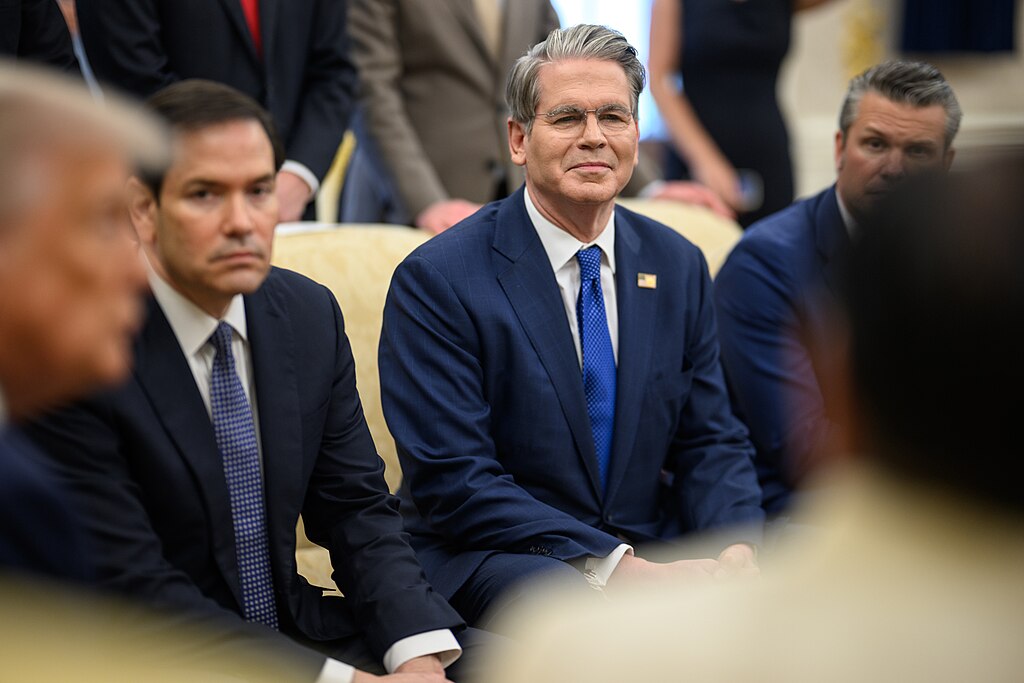
The Trump administration has launched a new effort to support the U.S. housing market by stepping into mortgage-backed securities (MBS) purchases, aiming to counterbalance the Federal Reserve’s ongoing reduction of such assets from its balance sheet. U.S. Treasury Secretary Scott Bessent said the strategy is designed to roughly match the pace at which the Fed is allowing mortgage-backed bonds to roll off, a move that could help stabilize mortgage markets amid persistent affordability challenges.
In an interview with Reuters, Bessent explained that the Federal Reserve has been reducing its holdings of mortgage-backed securities by about $15 billion per month. The Fed currently holds just over $2 trillion in MBS, down significantly from levels accumulated during past economic crises, including the global financial crisis and the COVID-19 pandemic. Some analysts argue this steady reduction has kept mortgage rates higher than they otherwise might be.
To address these pressures, President Donald Trump ordered the Federal Housing Finance Agency (FHFA) to direct Fannie Mae and Freddie Mac to purchase up to $200 billion in bonds issued by the two government-sponsored enterprises. FHFA Director William Pulte confirmed that the initiative has already begun, starting with an initial $3 billion round of purchases funded through the firms’ own balance sheets.
While Bessent noted the purchases are unlikely to directly lower mortgage rates, he said they could indirectly help by narrowing the yield spread between Fannie Mae and Freddie Mac securities and U.S. Treasuries. The average rate on a 30-year fixed mortgage has declined to around 6.2%, down from nearly 8% in 2024, but remains well above the roughly 3% levels seen during the pandemic.
Higher borrowing costs combined with elevated home prices have intensified housing affordability concerns, which continue to weigh on President Trump’s approval ratings. Fannie Mae and Freddie Mac play a crucial role in the housing market by buying mortgages from lenders, bundling them into securities, and selling them to investors, a process that frees up capital for new home loans.
The administration has also revived discussions about reprivatizing Fannie Mae and Freddie Mac, which have been under government control since 2008. Bessent emphasized that the new bond purchases would not weaken the firms’ financial positions and could potentially boost their earnings, reinforcing their ability to support the housing finance system.







