


 US Backs Musk in Fight Against EU’s €120 Million X Fine
  US Resumes Immigrant Visa Processing for Hungary, Poland
  FAA Allows Boeing to Sell 35 More 777F Freighters Beyond 2028
  Mexico-US Trade Talks Delayed to October as Tariff Negotiations Continue
  Judge Orders Trump to Restore White House Access for CNN, MS NOW and Politico
  White House Bars CNN, MS NOW and Politico Reporters
  Netanyahu Defends Israel at UN as Delegates Stage Walkout
  NATO Boosts Intelligence Sharing Amid Russia Hybrid Threats
  China Tightens Fentanyl Rules Ahead of Trump-Xi Summit
  Canada Unveils Bill to Fast-Track Major Resource Projects
  Ukrainian Drone Attacks Hit Russian Regions, Injuring at Least 12
  Taiwan Thanks US for Support Ahead of Trump-Xi Summit
  US Immigration Arrests Surge as Deportations Lag Behind
  Najib Razak Seeks Stay of 15-Year 1MDB Prison Sentence
  Trump, Xi Visit US National Archives After White House Summit
  Sudan Rejects US Legitimacy Remarks, Defends Sovereignty
  Synthetic data could ease people’s concerns about privacy breaches. But who gets to create it?


 Add as a preferred source on Google
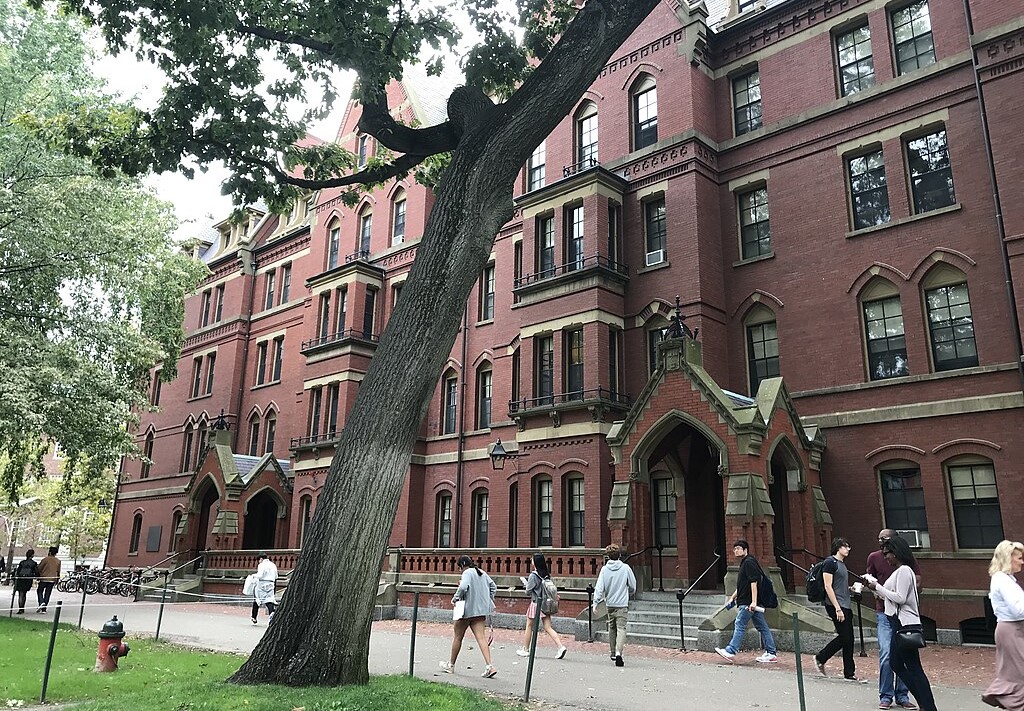
The Trump administration has intensified its standoff with Harvard University, threatening its accreditation and launching a subpoena for records related to international students. This move follows a series of actions including the termination of billions in grants and efforts to block Harvard from admitting foreign students.
Officials argue the actions aim to reform elite universities they claim have fostered "woke" ideologies and antisemitism. President Trump, while hopeful for a settlement, criticized Harvard as “totally antisemitic.” Talks between Harvard and the government have reportedly stalled.
On Wednesday, the U.S. Department of Education and the Department of Health and Human Services notified Harvard’s accreditor, the New England Commission of Higher Education, that the university may no longer meet federal antidiscrimination standards under Title VI. The agencies allege Harvard failed to protect Jewish and Israeli students.
Education Secretary Linda McMahon emphasized the expectation that the accreditor ensure Harvard's compliance with federal laws. Although the accreditor confirmed receipt of the notice, it noted it cannot be ordered to revoke accreditation and typically allows up to four years for compliance.
The Department of Homeland Security also announced administrative subpoenas targeting records of international students at Harvard, citing potential “criminality and misconduct.”
Harvard maintains that the administration's actions are politically motivated, violating its First Amendment rights and retaliating against the school’s refusal to alter curriculum and admissions. A federal judge recently blocked a Trump proclamation attempting to bar foreign students from entering the U.S. to study at Harvard. That ruling is under appeal.
Losing international student enrollment would significantly impact Harvard, where they make up 27% of its student body. Another legal battle is set for July 21, as Harvard seeks to unfreeze $2.5 billion in blocked federal grants.







