


 Synthetic data could ease people’s concerns about privacy breaches. But who gets to create it?
  Trump Administration Plans Faster FDA Reviews for Smoke-Free Nicotine Products
  US Backs Musk in Fight Against EU’s €120 Million X Fine
  Wall Street Falls as Treasury Yields Surge, Oil Rebounds on Iran Tensions
  Oil Prices Surge as U.S.-Iran Diplomacy Hopes Fade
  Najib Razak Seeks Stay of 15-Year 1MDB Prison Sentence
  Gold Prices Fall as Treasury Yields Rise on Fed Rate Hike Bets
  Australia Tightens Student Visa Rules, Targets Migration Cut by 2028
  Oil Prices Ease as Iran Tensions Clash With Diplomacy Hopes
  U.S. Imposes New Visa Restrictions Over South Africa Policies
  Saudi Arabia, Turkey and Pakistan Plan Urgent Defence Talks Over Houthi Attacks
  Yemen Violence Displaces 130,000 as Civilian Toll Rises
  Nvidia-Groq AI Chip Deal Faces U.S. Antitrust Probe
  South Korea, US Discuss Warship Building Cooperation
  Fed Unveils Stablecoin Rules Under GENIUS Act
  Kremlin Says No Decision Yet on Putin-Trump December Summit
  China Reviews Broadcom Switch Use in State Data Centres


 Add as a preferred source on Google
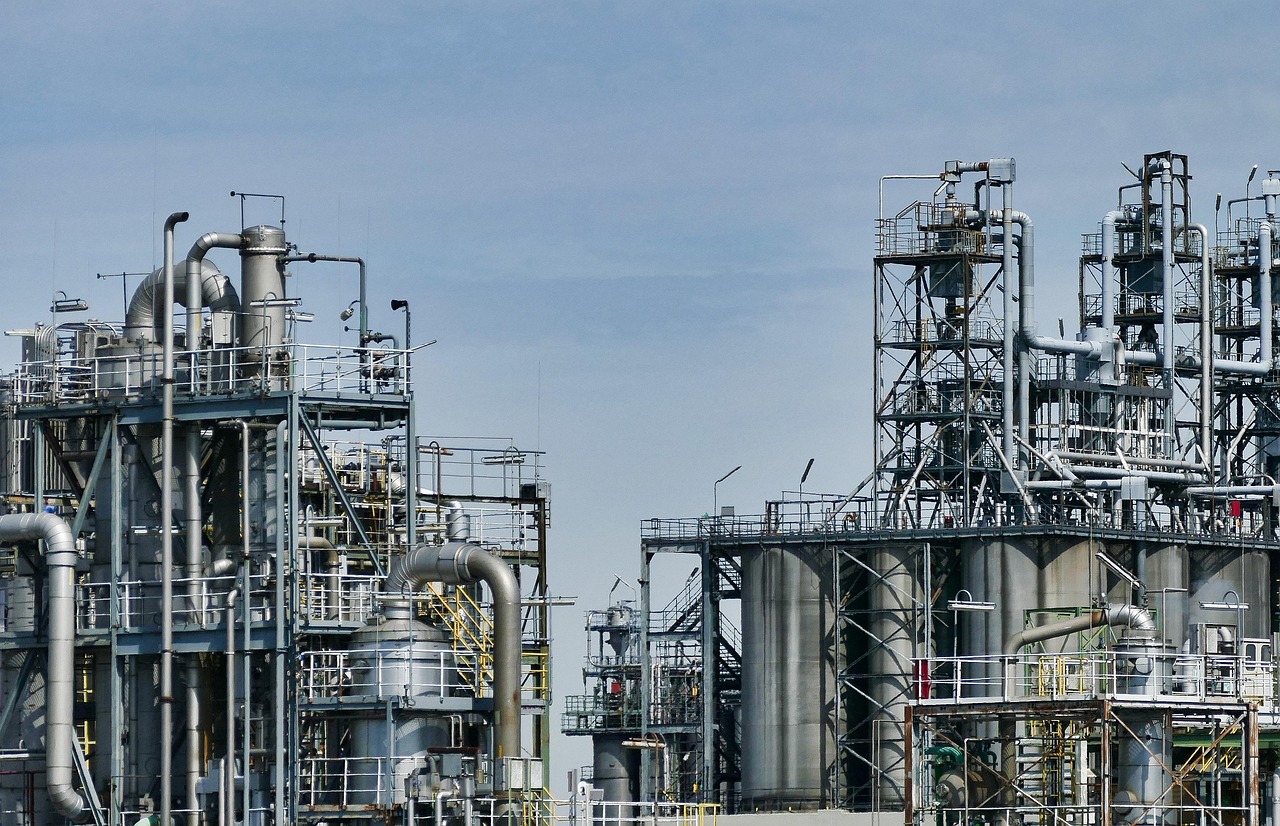
The Trump administration has formally reversed a key Biden-era regulation that restricted oil and gas drilling across a large portion of Alaska’s National Petroleum Reserve, a move that aligns with President Donald Trump’s broader push to expand domestic energy production. The decision opens millions of acres of what is considered the nation’s largest area of undisturbed public land to potential development.
Biden’s 2024 rule had blocked new oil and gas leasing on 10.6 million acres within the reserve and placed additional limits on over 2 million more. By lifting these restrictions, the Trump administration aims to boost energy investment in resource-rich northern Alaska, an area long targeted by industry advocates seeking to tap its substantial oil and gas reserves.
Interior Secretary Doug Burgum said the rollback reflects the administration’s commitment to increasing U.S. energy independence, revitalizing jobs, and supporting economic growth in Alaska’s North Slope communities. He emphasized that removing the Biden rule restores what he described as “common-sense management” that balances development with responsible oversight.
Support for the move has also come from regional organizations such as Voice of the Arctic Inupiat, an Alaska Native group that said oil and gas infrastructure plays a critical role in local revenue generation. According to the group, these projects help maintain essential services like education, public safety, and healthcare, which depend heavily on tax income from industrial activity.
Critics of the rollback argue that expanded drilling could carry environmental risks, including impacts on wildlife and long-term climate concerns. Still, proponents believe the decision will strengthen America’s energy security and create meaningful economic opportunities for communities located near the reserve.
The renewed access to Alaska’s petroleum resources marks a significant shift in federal land-use policy and is expected to influence future debates over energy development, conservation, and climate strategy in the United States.







