


 Senate Democrats Say Tether USDT Helps Iran Evade Sanctions
  Polymarket Traders Bet on Trump AI Rename to ‘Super Intelligence’
  Second DOJ Lawyer Exits Trump Probe
  Pentagon Restarts Testosterone Testing for US Troops
  UK Police Probe Foreign State Link in RAF Fairford Plot
  White House Blames Democrats as CLARITY Act Stalls
  Rubio Warns Cuba to Change Course as US Pressure Mounts
  Trump, Tech Leaders Sign ‘Morally Binding’ AI Safety Accord
  US Sanctions Iran Weapons Procurement Network
  Colombia Extradites FARC Dissident Leader ‘Spider’ to US
  China Cuts Tariffs on U.S. Farm Goods but Excludes Soybeans
  Trump Eyes $54 Billion South Korean Investment in Alaska LNG
  South Africa Seeks US Talks Despite Visa Restrictions
  Judge Orders Trump to Restore White House Access for CNN, MS NOW and Politico
  HUTCHMED, AstraZeneca Seek FDA Approval for Lung Cancer Combo
  Trump Administration Plans Faster FDA Reviews for Smoke-Free Nicotine Products
  White House Bars CNN, MS NOW and Politico Reporters


 Add as a preferred source on Google
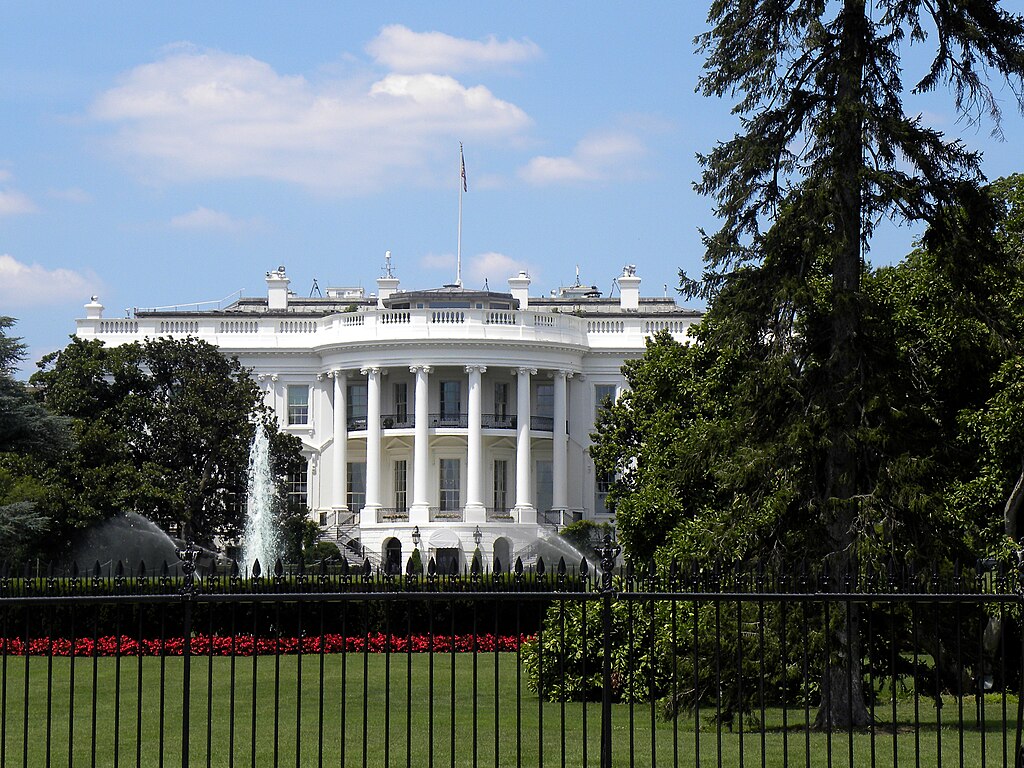
President Donald Trump’s administration has begun outlining contingency plans as a federal government shutdown looms this week, sparking concerns over mass layoffs and disruptions to essential services. The U.S. Department of Health and Human Services (HHS) announced that 41% of its workforce could be furloughed, while other agencies brace for reduced operations if Congress fails to pass a stopgap funding bill.
Unlike past shutdowns, this one may come with sweeping structural changes. The administration has threatened mass firings of federal employees, positioning the shutdown as an opportunity to downsize government agencies. According to the Office of Personnel Management (OPM), while training and onboarding of new employees is suspended during a shutdown, officials overseeing layoffs will continue working. In a break from previous protocols, furloughed employees will also be permitted to use government-issued computers to check email for potential layoff notices.
Senator Gary Peters of Michigan criticized the move, warning that eliminating career civil servants would cause “lasting damage” to public safety and essential government functions. Key federal agencies released updated shutdown plans only within the past 24 hours, a delay compared to prior administrations that provided plans weeks in advance.
If funding lapses, the Department of Labor will suspend the release of critical economic data, including September’s employment report. The Bureau of Economic Analysis will also pause GDP reporting, while the HHS will halt admissions to new clinical research studies and limit public health communications. The Department of Veterans Affairs pledged to maintain medical care and benefits, but cemetery maintenance would stop.
Despite widespread cutbacks, the Internal Revenue Service will continue full operations thanks to funding from President Biden’s Inflation Reduction Act, a controversial point among Republicans who had opposed increased IRS funding. With Republicans controlling Congress and Democrats unable to secure a funding deal, the risk of a shutdown—and unprecedented federal layoffs—appears imminent.







