


 ICE Agent Arrested in Minneapolis Over Venezuelan Man Shooting
  Trump Open to Pezeshkian Meeting as Iran Tensions Escalate
  U.S. Issues Cuba Health Alert as Illnesses Rise
  Trump-Xi Summit Puts Trade Truce and Taiwan in Focus
  Trump Administration Removes Confederate Memorial Criticism From Arlington Website
  Russian Drone Attacks Kill Four in Kyiv Region, Including Three Children
  South Korea to Brief Lawmakers on $350 Billion US Investment Package
  FDA Weighs Safety Standards for Psychedelic Therapies
  US, Japan and South Korea Back Taiwan Ahead of Trump-Xi Summit
  Trump Sets High-Stakes UN Meetings With Zelenskiy, Gulf Leaders
  Trump Scales Back Endangered Species Act Protections
  Carney Condemns Belleville Synagogue Shooting That Wounded Police Officer
  Burnham Eyes UK Leadership Role in AI Ahead of Trump Meeting
  U.S. Imposes New Visa Restrictions Over South Africa Policies
  US Bans Canadian Alcohol, Motorcycles as Trade War Escalates
  Nvidia-Groq AI Chip Deal Faces U.S. Antitrust Probe


 Add as a preferred source on Google
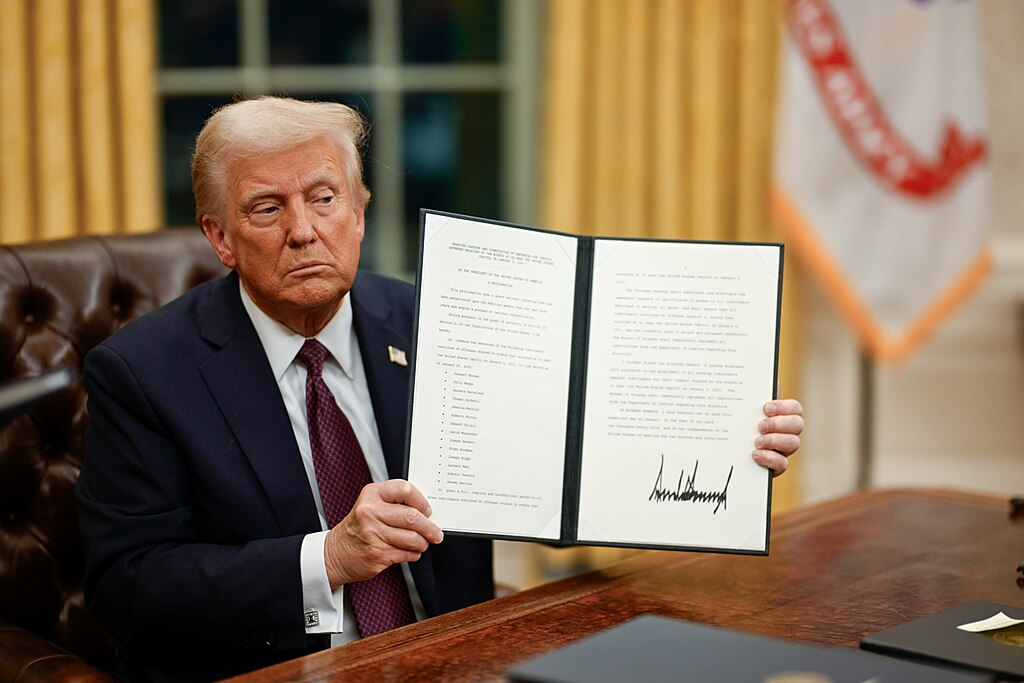
The Trump administration, under its broader agenda to overhaul federal bureaucracy, has dismantled diversity, equity, and inclusion (DEI) initiatives across government agencies. In a speech to the World Economic Forum, former President Donald Trump reaffirmed his commitment to a "merit-based" system, calling DEI policies “nonsense.” Key agencies, including the CIA and Federal Reserve, eliminated diversity offices and scrubbed related content from their websites.
The Department of Agriculture removed resources aimed at supporting minority farmers, and the Department of Education shifted its focus away from diversity-related training. Similarly, DEI advocates across government faced suspensions, with offices slated for closure by month’s end.
A memo circulated to federal employees urged them to report colleagues using "coded language" to disguise DEI efforts, warning of consequences for non-compliance. Critics, including civil rights advocates, argue these measures ignore systemic inequities and roll back progress.
The administration also implemented a hiring freeze and reinstated "Schedule F," an executive order enabling the dismissal of thousands of civil servants, replacing them with political appointees. This decision faced backlash from unions and lawmakers, with Senator Tim Kaine decrying the "hatred" toward federal workers.
Furthermore, the National Security Council terminated over 150 staff, while the Justice Department rescinded job offers to law students in its Honors Program. Critics warn these actions undermine government efficiency and equity.
With DEI efforts eliminated, proponents emphasize that persistent income disparities, such as the 63% median Black household income relative to white households, highlight the need for systemic reforms. Meanwhile, the administration remains focused on aligning federal operations with its ideological framework.
This sweeping reshaping of federal policies reflects a significant shift toward a merit-driven, yet controversial, governance model.







