


 Netanyahu’s Brief US Trip Highlights Strains With Trump
  Wall Street Ends Flat as Oil, Treasury Yields and Fed Jitters Rattle Markets
  European Stocks Fall as Bond Yields and Geopolitical Risks Weigh
  Xi Calls for Deeper U.S.-China AI Cooperation in Trump Talks
  U.S. Dollar Hits Two-Month High as Oil, Treasury Yields Surge
  US Supreme Court Revives Trump Administration Voter Citizenship Database
  Japanese Bank Stocks Surge as Bond Yields Fuel Rate Hike Bets
  France Defends Netanyahu Airspace Clearance Despite ICC Warrant
  Trump, Xi Focus on Trade and AI at White House Summit
  Fed’s Hammack Says Bond Yield Surge Is Not Driven by Inflation Fears
  What ‘Taiwan Independence’ Means as Xi Presses Trump on US Policy
  Asian Stocks Fall as Surging Bond Yields Rattle Markets
  Putin Says Ukraine Peace Proposals Remain on Table
  Asian Currencies Mixed as Dollar Holds Near Two-Month High
  Fed Unveils Stablecoin Rules Under GENIUS Act
  Abbas Reaffirms November 28 Palestinian Elections
  Oil Prices Ease as Iran Tensions Clash With Diplomacy Hopes


 Add as a preferred source on Google
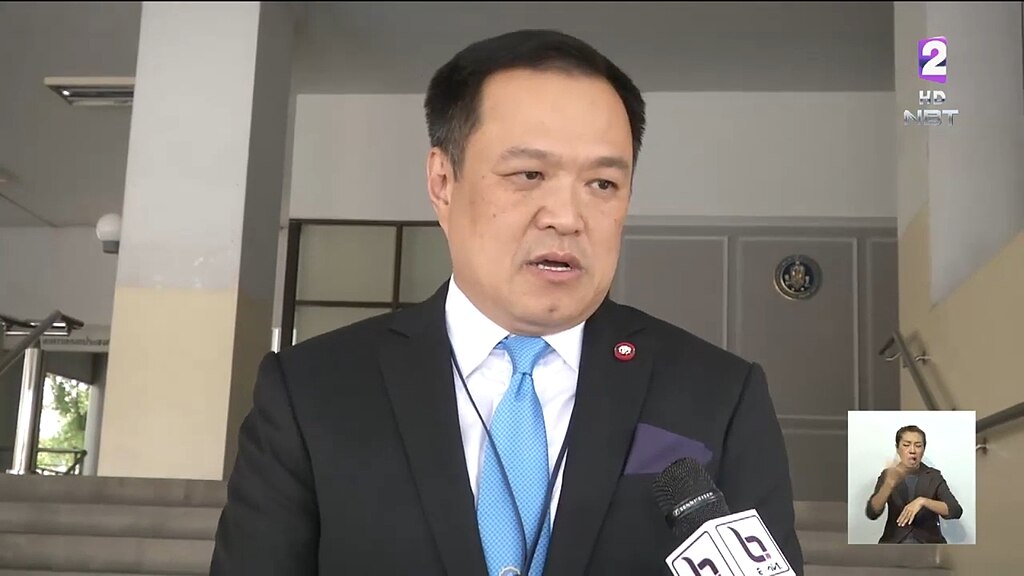
Thailand’s new Prime Minister, Anutin Charnvirakul, has called on the nation’s banks to take a more active role in boosting liquidity as part of urgent efforts to revive the economy. The move comes amid mounting concerns over the baht’s sharp appreciation, which recently climbed to a four-year high, threatening the competitiveness of key sectors like tourism and exports.
Anutin, speaking after a meeting with the Thai Bankers’ Association, stressed that stabilizing the financial system is a priority for the incoming government. The strong baht has sparked worries that the country’s fragile recovery could stall, especially as Thailand continues to rely heavily on foreign visitors and international trade to drive growth.
Deputy Prime Minister and Finance Minister Ekniti Nitithanprapas echoed these concerns, announcing the formation of a special task force to manage the baht’s rapid rise. He emphasized that the government’s approach aims to deliver short-term recovery measures with sustainable long-term benefits.
“We are focusing on restructuring the economy, especially addressing household debt, which has been a long-standing challenge,” Ekniti said. Household debt in Thailand remains among the highest in Asia, creating additional pressure on both consumers and lenders.
The government’s dual focus on currency stability and financial reform highlights the urgency of restoring investor and consumer confidence. By urging banks to increase liquidity, policymakers hope to ease financial pressures, maintain credit flows, and stimulate spending across industries most vulnerable to the strong baht.
Analysts suggest that swift action will be critical, as further currency appreciation could undermine Thailand’s export competitiveness and discourage foreign investment. The government’s early steps signal a clear intent to protect economic stability while laying the groundwork for deeper structural reforms.







