


 Rosenblatt Starts Nokia at Buy on AI Networking Growth
  Meta Partners With Shopify to Bring Shop Pay Checkout to Muse AI
  Trump Plans Federal AI Force and AI Czar
  Nvidia CEO Jensen Huang Expected at Trump-Xi State Dinner
  SoftBank Launches $11 Billion Bond Sale to Fund OpenAI Investment
  OpenAI Urges US-Led Global Standards for Frontier AI
  Guterres Urges Stronger Global AI Safeguards Ahead of UN Assembly
  SK Hynix, Intel Discuss U.S. Memory Chip Production Deal
  Physicists zoom into the birth of cosmic rainstorms with new CERN study
  Databricks to Invest $350 Million in Singapore AI Expansion
  US Federal Register Drops Alibaba Qwen AI Search Tool
  China Reviews Broadcom Switch Use in State Data Centres
  NASA, Boeing Discuss Expanding Starliner Missions
  Burnham Eyes UK Leadership Role in AI Ahead of Trump Meeting
  Cathie Wood Backs AI Slowdown as Safety Concerns Grow
  Meta CEO Zuckerberg Backs Independent AI Safety Reviews Over Development Slowdown
  Japan, U.S. Discuss $19 Billion GlobalFoundries Chip Plant


 Add as a preferred source on Google
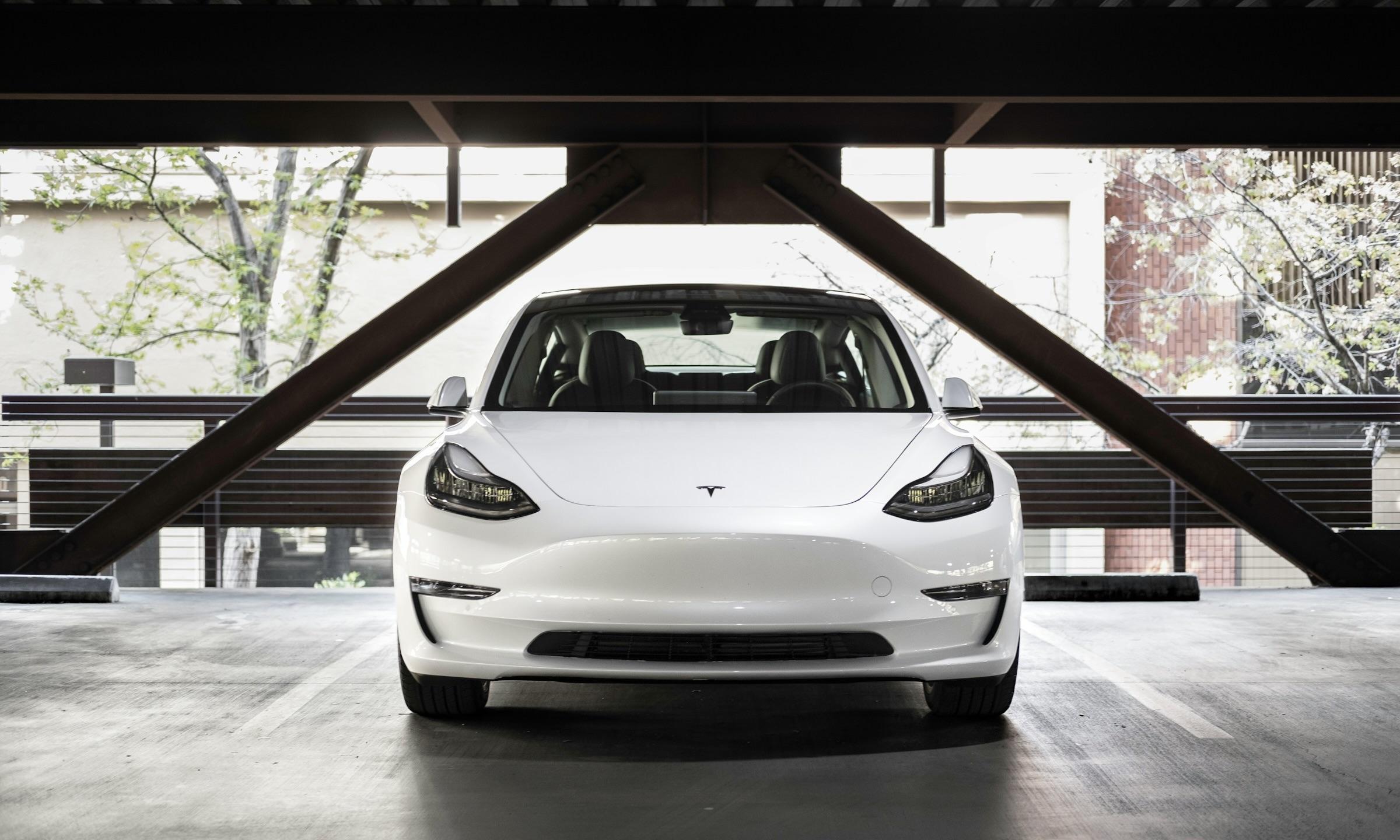
Tesla is reportedly expanding its battery production facility in Nevada with equipment from China.
Tesla Found a Way to Use LFP Batteries and Qualify for Full EV Tax Credit
According to Automotive News' unidentified sources, the Texas-based automaker would buy idle machinery from China's Contemporary Amperex Technology Limited (CATL), a lithium-iron-phosphate (LFP) battery manufacturer.
LFP batteries are claimed to be long-lasting and provide increased range, but most importantly, they are less expensive to manufacture. However, purchasing LFPs from CATL disqualifies you from the federal EV tax credit under the 2024 Inflation Reduction Act (IRA) standards, which is why the upgraded Model 3 HIghland is ineligible for the $7,500 EV tax credit.
If the claim is correct, this latest advancement could enable Tesla to manufacture LFPs in the United States while also controlling the supply of raw materials.
Unlike Ford's contract for its battery facility in Michigan, which licensed CATL technology, the unnamed sources stated that Tesla would have complete control over the facility and prices, with CATL personnel merely assisting in the machinery setup.
Tesla's Tax Credit Prospects Amid IRA's Evolving EV Rules
To recall, one of the new IRA rules for this year stipulated that qualified EVs should "not contain any battery components that are manufactured or assembled by a foreign entity of concern (FEOC)."
This will be more stringent in 2025, requiring EVs to "not contain any critical minerals that were extracted, processed, or recycled by a FEOC" in order to qualify. However, none of the restrictions ban the use of equipment obtained from a FEOC.
The IRA defines FEOCs as the People's Republic of China (PRC), the Russian Federation, the Democratic People's Republic of North Korea, and the Islamic Republic of Iran, as per Carbuzz.
With Tesla producing LFPs domestically, the limits could be lifted, allowing LFP-equipped Teslas to qualify for the federal tax credit. As of this writing, the only Teslas that qualify for full credit are the Model Y (Rear-Wheel Drive, All-Wheel Drive, and Performance) and Model X (Long Range).
According to the sources, the new facility will not be operational until 2025 and will start with a limited output of roughly 10 GWh, which will be increased if the project goes well and the supply chain is formed. It will also apparently cover 20% of Tesla's North American battery output, including the company's Megapack-producing facility in California.
Photo: Charlie Deets/Unsplash







