


 TSMC Exits Arm Holdings with $231 Million Share Sale Amid Strategic Portfolio Shift
  T-Mobile Beats Q1 Earnings Expectations on Strong Postpaid Growth
  Starbucks Raises 2026 Outlook as Turnaround Strategy Boosts Sales and Earnings
  OpenAI Faces Revenue Pressure and User Growth Challenges Ahead of IPO
  U.S. Warns Allies Over Alleged Chinese AI IP Theft Linked to DeepSeek
  Lightelligence IPO Soars Over 400% in Hong Kong Debut Amid Rising AI Investment Demand
  Australia Targets Meta, Google, and TikTok With New News Payment Tax Proposal
  Seagate Stock Surges After Strong Q3 Earnings Beat and Bullish Outlook
  AstraZeneca Q1 2026 Earnings Surge on Strong Oncology and Rare Disease Drug Sales
  Samsung Reports Record Profit as AI Boom Drives Memory Chip Demand
  Meta Raises 2026 Capex Outlook Amid AI Spending Surge, Shares Drop After Earnings
  $16B Michigan Data Center Project Boosts U.S. AI Infrastructure Expansion
  Qualcomm Stock Surges Despite Weak Guidance After Q2 2026 Earnings Beat
  Amazon Stock Dips Despite Record Earnings as AI Infrastructure Spending Surges
  SMC Corp Stock Surges as Palliser Capital Pushes for Major Share Buyback
  China’s Ultra-Cheap EV Boom: Why Electric Cars Cost Far Less Than in the U.S.


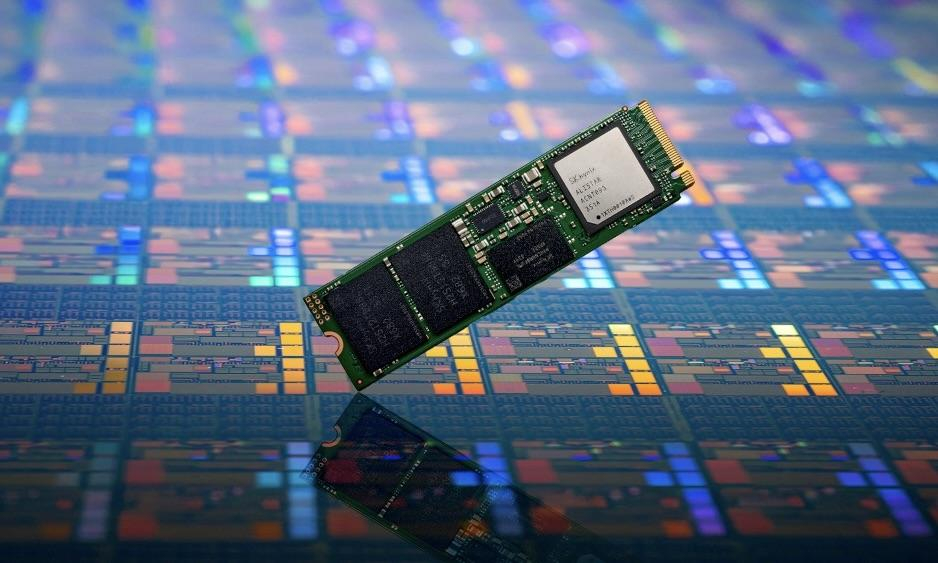
Apple is beginning to feel the strain from rapidly rising memory chip prices, a challenge that is expected to intensify in the current quarter as the global semiconductor market pivots toward artificial intelligence demand. During a recent earnings call, Apple CEO Tim Cook acknowledged that memory pricing has been “increasing significantly,” noting that while the impact was minimal during the strong holiday quarter ending December 31, profitability pressure is likely to grow in the months ahead.
The situation is unfolding as Apple experiences robust demand for its latest iPhone 17, particularly in major growth markets such as China and India. Cook described demand during the December quarter as “staggering,” but declined to comment on whether Apple would increase product prices to offset higher component costs stemming from memory shortages.
The tightening supply of conventional DRAM chips is being driven by major South Korean manufacturers Samsung Electronics and SK Hynix, which together control about two-thirds of the global DRAM market. Both companies have warned that smartphone and PC makers are increasingly bearing the burden of a worsening memory shortage, leading to margin compression and potential supply chain disruptions.
At the core of the issue is the global race to build AI infrastructure. Chipmakers are redirecting production capacity toward high-bandwidth memory (HBM), a more profitable product essential for AI servers and data centers. This shift has squeezed the availability of standard DRAM used in consumer electronics. Compounding the problem, memory manufacturers have remained cautious about expanding capacity after being burned by overinvestment in previous cycles, with Samsung indicating limited expansion through 2026 and 2027.
As a result, PC and mobile device makers are adjusting shipment plans, scaling back purchase volumes, or lowering memory specifications in price-sensitive products. Research firms IDC and Counterpoint now forecast a decline of at least 2% in global smartphone sales this year, while the PC market is expected to contract nearly 5% in 2026 after strong growth last year.
Samsung itself is not immune, reporting a 10% drop in mobile profits and warning of a challenging year ahead as AI-related memory continues to take priority over conventional chips.







