


 France Defends Netanyahu Airspace Clearance Despite ICC Warrant
  Pope Leo Warns UN, Multilateral Groups Face Crisis
  EU Agrees €6.6 Billion Military Aid Funding for Ukraine
  Saudi Arabia Seeks Military Support as Houthi Attacks Escalate
  Putin Says Ukraine Peace Proposals Remain on Table
  Yemen Violence Displaces 130,000 as Civilian Toll Rises
  Colombia Extradites FARC Dissident Leader ‘Spider’ to US
  Pope Leo Backs Press Freedom After White House Media Ban
  US Backs Musk in Fight Against EU’s €120 Million X Fine
  Najib Razak Seeks Stay of 15-Year 1MDB Prison Sentence
  Abbas Reaffirms November 28 Palestinian Elections
  Pezeshkian Says US Must Choose When Iran War Ends
  Netanyahu’s Brief US Trip Highlights Strains With Trump
  North Korea Rejects Nuclear Test Warning, Calls Nuclear Status Irreversible
  Ukrainian Drone Attacks Hit Russian Regions, Injuring at Least 12
  US Comfortable With Canada Trade Standoff as Import Bans Loom
  Xi Calls for Deeper U.S.-China AI Cooperation in Trump Talks


 Add as a preferred source on Google
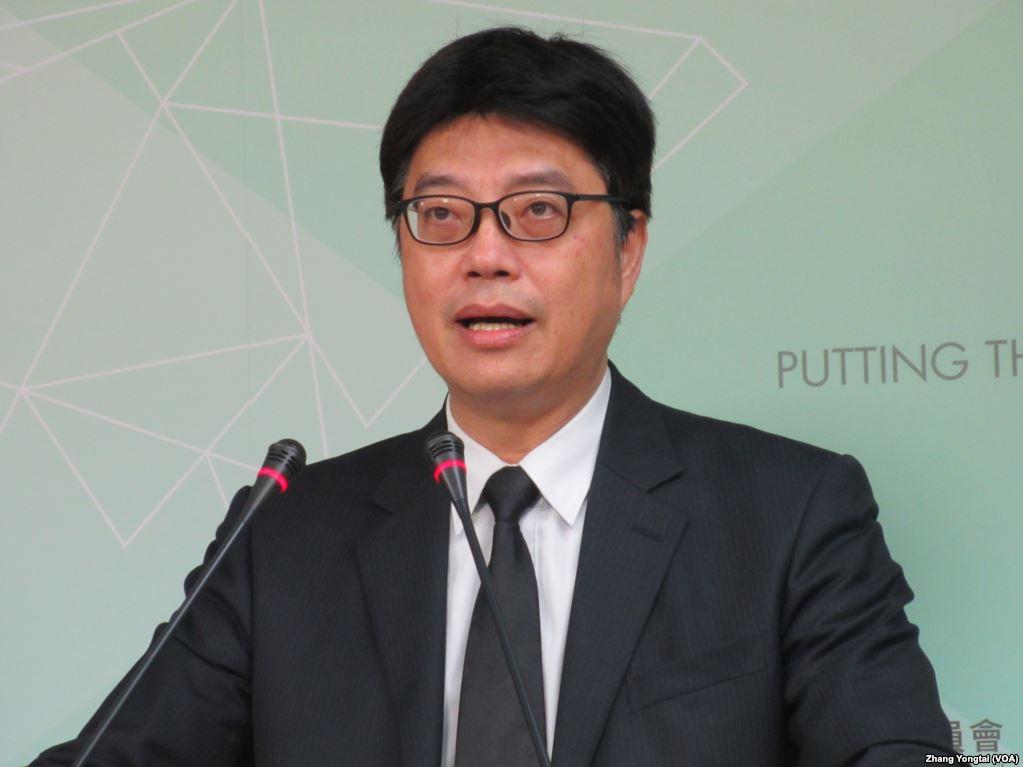
Taiwan’s top China policymaker has warned that Beijing is actively preparing for war to retake the self-ruled island, stressing that Taiwan’s fall would trigger a dangerous domino effect across the Asia-Pacific and directly threaten U.S. security.
Chiu Chui-cheng, head of Taiwan’s Mainland Affairs Council, told the Heritage Foundation in Washington that China’s Communist Party has never renounced the use of force against Taiwan, which it claims as its territory. He emphasized that China’s push for “unification” is not only about controlling Taiwan but also about excluding U.S. influence from the region and eventually replacing America as the global leader.
Highlighting China’s intensified military activity near Taiwan, Chiu warned that any forced takeover would destabilize regional balance and undermine U.S. prosperity. He stressed Taiwan’s critical role as the world’s leading producer of advanced semiconductors, warning that disruption to its tech industry would deal a major blow to the global economy, especially America’s technology sector.
The United States remains Taiwan’s most important partner and arms supplier, despite lacking formal diplomatic ties. Chiu welcomed Washington’s continued commitment to Taiwan’s defense, which he said is crucial in deterring Chinese aggression.
Beijing, however, reiterated its stance that Taiwan is part of China, vowing to pursue “peaceful reunification” but warning it would take all necessary measures to defend its sovereignty and oppose foreign interference.
Tensions remain high in the Taiwan Strait, a vital international waterway. Shortly before Chiu’s remarks, China condemned the joint passage of U.S. and British warships through the strait. The U.S. Navy, along with allies such as Canada, Britain, and France, regularly sails through the area to challenge Beijing’s territorial claims.







