


 Trump Prioritizes Iran Diplomacy Over Military Action as Nuclear Talks Continue
  OpenAI Proposes 5% U.S. Government Stake Amid AI Policy Talks
  Venezuela Interim President Defends Earthquake Response as Death Toll Climbs
  US Resumes Dollar Shipments to Iraq After Months-Long Suspension
  Trump Dedicates Theodore Roosevelt Museum, Unveils New Air Force One Ahead of America’s 250th Anniversary
  Russian Attacks Kill Three in Eastern Ukraine as Civilian Casualties Mount
  Russia’s Deadly Kyiv Missile and Drone Attack Kills 27 as Zelensky Urges Faster Air Defense Support
  Ukraine Preparing for Possible Russian Offensive From Bryansk, Military Chief Says
  South Korea Warns Won Is Undervalued, Boosts FX Coordination With Japan
  US Appeals Court Limits ICE Detention Without Bond Hearings After 90 Days
  Democratic Socialist Melat Kiros Unseats Rep. Diana DeGette in Colorado Democratic Primary
  Trump Vows U.S. Will Prevent China From Taking Over the Panama Canal
  DHS Investigates Cyber Breach in Homeland Security Information-Sharing Network
  Trump Administration to Launch Voluntary AI Standards for Frontier Models
  Ukraine War: Russian Drone Attack Sparks Hotel Fire in Central Kyiv
  JD Vance Criticizes Vatican on Immigration, Defends Trump Border Policies
  NATO Albania Summit Faces Uncertainty as Trump, Defense Spending Concerns Loom


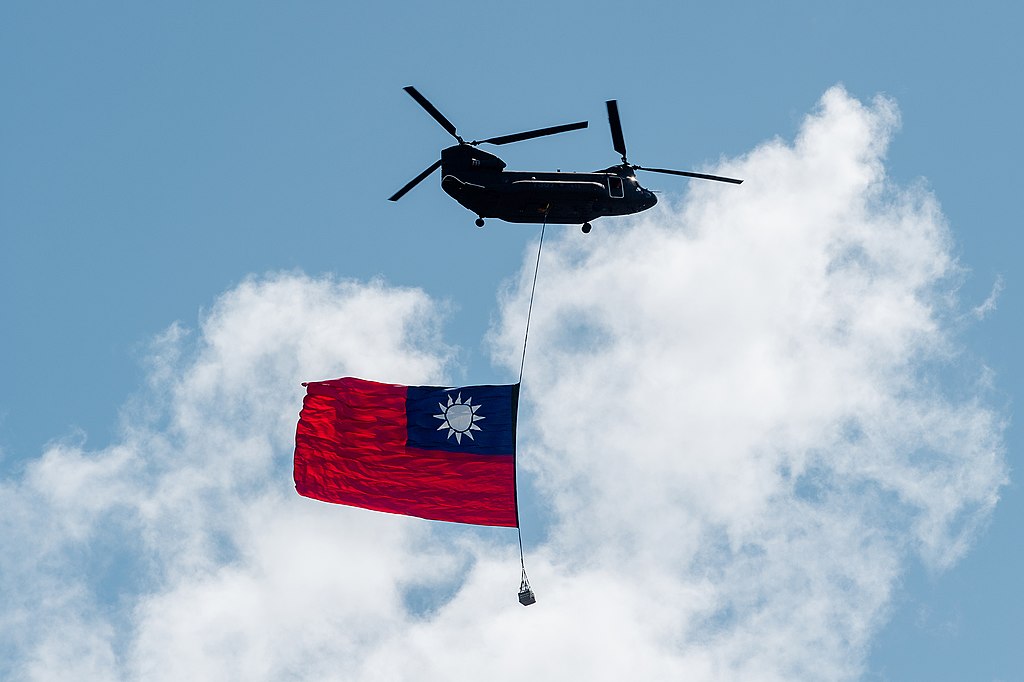
Taiwan has stepped up its civil defense and military preparedness with one of its most comprehensive resilience exercises, simulating a Chinese blockade, cyberattacks, disinformation, infrastructure sabotage, a major earthquake and a full-scale invasion. More than 370 government and military officials participated in the closed-door drill in Nantou County as Beijing continues to increase military pressure on the self-governed island.
The exercise tested whether local and central authorities could maintain essential government operations during a rapidly escalating crisis. Officials responded to scenarios involving disrupted communications, bank runs, civil unrest, damaged infrastructure and attacks on critical facilities.
President Lai Ching-te’s administration has expanded Taiwan’s resilience program to strengthen coordination between civilian agencies and the military. Officials said the updated drills are more realistic than previous exercises and are designed to identify operational weaknesses.
Minister without Portfolio Chi Lien-cheng said Taiwan must be prepared to defend itself despite acknowledging that challenges and resource shortages remain. He stressed that the exercises are intended to improve readiness rather than demonstrate perfection.
China, which claims Taiwan as its territory and has not ruled out using force to achieve reunification, criticized the drills and accused President Lai of raising cross-strait tensions. During the exercise, Taiwan also reported a new Chinese combat readiness patrol involving warships and at least 22 military aircraft, including nuclear-capable H-6 bombers.
The two-day exercise combined tabletop planning with field operations, including responses to drone attacks on critical infrastructure, emergency food distribution and disaster relief after a simulated magnitude 6.8 earthquake. Officials also used advanced mapping systems to coordinate resources in real time and emphasized closer civil-military integration.
The drill further tested Taiwan’s ability to counter cyberattacks and disinformation, including simulated propaganda broadcasts and AI-generated false information. Officials said the exercise, inspired by lessons from conflicts in Ukraine and the Middle East, is designed to strengthen national resilience and demonstrate that Taiwan is better prepared to respond to both conventional and hybrid threats.







