


 Macron, Trump Discuss Ukraine-Russia Energy Strike Moratorium
  Zelenskiy Meets CIA Chief John Ratcliffe at Ireland’s Shannon Airport
  Iran Vows ‘Crushing’ Response as US Talks Continue
  U.S. Stock Futures Rise Ahead of Trump-Xi Summit, Middle East Risks Weigh
  Trump Board of Peace Unveils $2.45 Billion Gaza Recovery Plan
  Asian Currencies Muted as Dollar Firms Ahead of Trump-Xi Summit
  UK Home Asking Prices Rise for First Time Since May
  US Stock Futures Rise as Meta Muse Fuels AI Rally
  Yen Weakens as Dollar Gains on Widening US-Japan Rate Gap
  Oil Prices Extend Losses as U.S.-Iran Talks Ease Supply Fears
  European Stocks Slip as Iran Tensions Offset Strong Eurozone Data
  Canada Unveils Bill to Fast-Track Major Resource Projects
  US-China Talks Target AI, Tariffs Ahead of Trump-Xi Summit
  Yen in Focus as BOJ, Fed Rate Hikes Reshape Currency Markets
  Lula and Flavio Bolsonaro Tied in Brazil Runoff Poll
  Paramount-Warner Bros $110 Billion Deal Draws Antitrust Backlash
  Marco Rubio to Meet Russia’s Lavrov in New York


 Add as a preferred source on Google
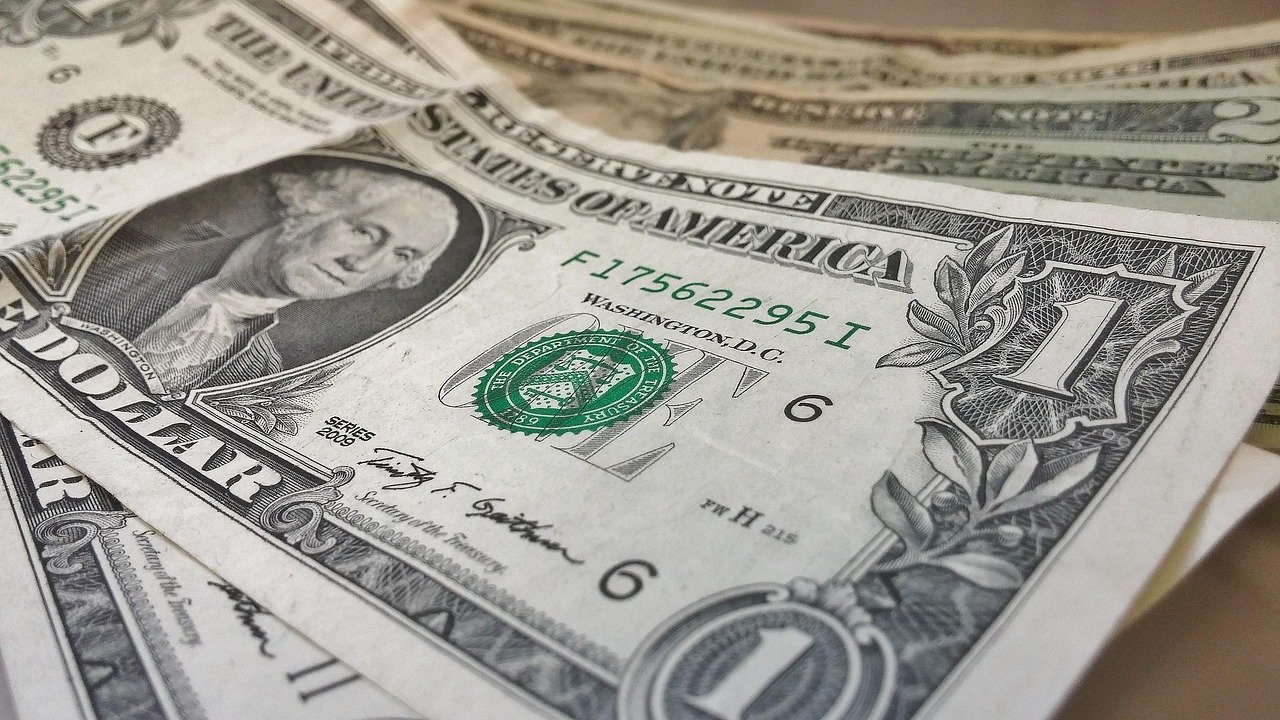
The United States has resumed limited shipments of U.S. dollars to Iraq after a months-long suspension, according to a report by The New York Times citing two senior aides to Iraqi Prime Minister Mohammed Shia al-Sudani. The move signals a partial easing of financial restrictions, although broader security-related measures imposed by Washington remain in effect.
Haider al-Aboudi, spokesperson for the Iraqi prime minister, confirmed to the newspaper that U.S. dollar transfers to Iraq have restarted. The report also cited Mudhar Muhammad Salih, a financial adviser to the prime minister, who separately confirmed that the cash shipments had resumed.
The dollar transfers were halted in April when the United States blocked an estimated $500 million cash shipment destined for Iraq. At the same time, Washington suspended portions of its security cooperation with Baghdad as part of a broader effort to pressure the Iraqi government over the activities of Iran-backed militias operating within the country.
According to the report, while the resumption of dollar shipments represents a significant financial development, the suspension of certain U.S. security assistance and cooperation programs with Iraq remains in place. The measures continue to reflect ongoing concerns about regional stability and the influence of armed groups backed by Iran.
The White House, the U.S. Department of State, and the U.S. Treasury Department did not immediately respond to requests for comment outside normal business hours. Reuters also noted that it could not independently verify the New York Times report.
The restrictions were originally introduced amid heightened tensions following the Iran war, during which the United States accused Iran-backed militias of carrying out repeated attacks on American facilities in Iraq. Those incidents included strikes targeting the U.S. Embassy in Baghdad and the U.S. Consulate in Iraq’s Kurdistan region.
The resumption of U.S. dollar shipments could help improve liquidity within Iraq’s financial system and ease pressure on the country's banking sector. However, with security cooperation still partially suspended, relations between Washington and Baghdad remain influenced by ongoing regional security concerns, geopolitical tensions, and efforts to curb the activities of Iran-backed armed groups.







