


 Marco Rubio to Meet Russia’s Lavrov in New York
  US, Japan and South Korea Back Taiwan Ahead of Trump-Xi Summit
  China Tightens Fentanyl Rules Ahead of Trump-Xi Summit
  UK, Mauritius Seek Diego Garcia Base Deal
  Trump Says ‘Freedom’ Is Coming to Cuba
  Zelenskiy Meets CIA Chief John Ratcliffe at Ireland’s Shannon Airport
  US Plans Two New Military Bases in Greenland Under Arctic Deal
  Paramount-Warner Bros $110 Billion Deal Draws Antitrust Backlash
  US, Denmark and Greenland Set to Sign Arctic Security Deal
  Vietnam, US Trade Deal Could Be Signed Soon, To Lam Says
  Trump Says U.S.-Iran Peace Deal Near After UN Talks
  Trump Scales Back Endangered Species Act Protections
  Russian Strikes Kill Eight Across Ukraine as Energy Sites Hit
  Burnham Eyes UK Leadership Role in AI Ahead of Trump Meeting
  Trump Administration Prepares Sanctions Against Entire ICC
  Macron Challenges Trump’s Gaza Peace Claims at UN
  Iran Vows ‘Crushing’ Response as US Talks Continue


 Add as a preferred source on Google
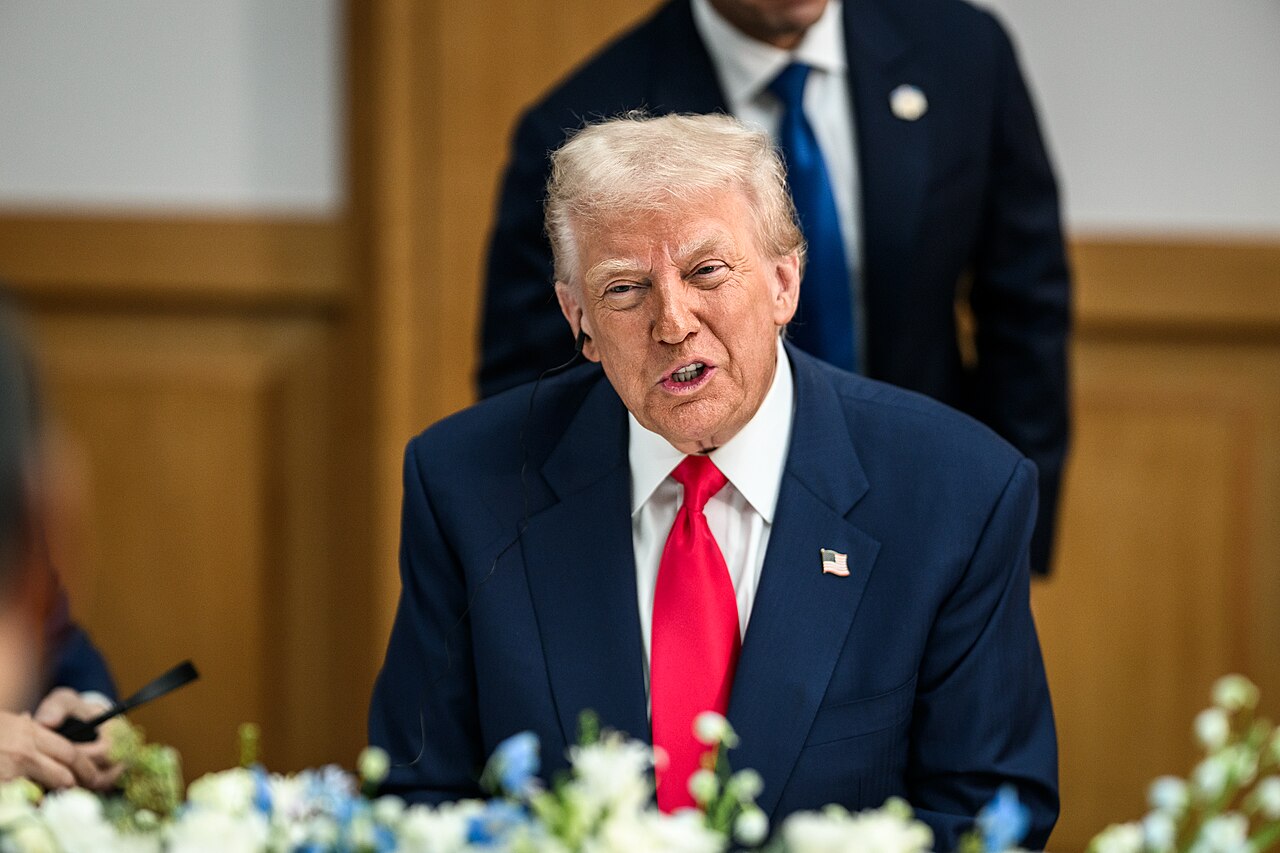
President Donald Trump has decided to keep diplomatic negotiations with Iran on track for now, despite recently reviewing options for renewed large-scale military action, according to a Wall Street Journal report citing U.S. officials familiar with the matter.
The decision comes as tensions between Washington and Tehran remain elevated following months of conflict that have settled into a fragile ceasefire. While both sides have exchanged limited retaliatory strikes over alleged violations of an interim agreement, officials from the United States and Iran continue to pursue negotiations aimed at reaching a broader nuclear and security deal.
According to the report, Trump recently held several meetings with Defense Secretary Pete Hegseth and Chairman of the Joint Chiefs of Staff Gen. Dan Caine to evaluate potential responses. The discussions reportedly covered a range of scenarios, from launching another large-scale military campaign against Iran to maintaining the current diplomatic approach.
The president is said to believe that a renewed military offensive could jeopardize ongoing efforts to secure an agreement that would dismantle Iran's nuclear program. As a result, Trump has favored continuing negotiations while reserving military action as a contingency if diplomatic efforts fail.
The report also noted that Trump is prepared to extend negotiations beyond the current August 18 deadline if meaningful progress continues. Instead of authorizing a broad military campaign, the administration has reportedly preferred limited retaliatory strikes in response to Iranian violations of the recently agreed memorandum of understanding.
Meanwhile, U.S. Special Envoy Steve Witkoff and Jared Kushner have reportedly arrived in Doha for another round of indirect talks with Iranian representatives. Technical teams from both countries are also expected to continue discussions through international mediators in an effort to narrow remaining differences.
Several major issues continue to complicate the negotiations. According to the Wall Street Journal, Iran is seeking to impose fees on ships passing through the strategically important Strait of Hormuz, a proposal opposed by Washington. The two sides also remain divided over the scope of restrictions that would be placed on Tehran's nuclear activities under any final agreement.
To help prevent accidental escalation, the report added that the United States has established a crisis communication channel between U.S. Central Command and Iran's Revolutionary Guard. The direct line is intended to reduce the risk of misunderstandings or military incidents while negotiations remain underway.
Although diplomacy is currently the administration's preferred strategy, U.S. officials emphasized that military options remain available if talks collapse or Iran significantly breaches the terms of the interim agreement. The outcome of the latest negotiations is expected to play a key role in shaping future U.S.-Iran relations and regional stability in the Middle East.







