


 Takaichi Pledges to Control Japan Bond Issuance
  US DOT Ends Airline Privacy Review Without Enforcement
  US Caribbean Vessel Strike Kills Four
  Fairshake Backs 32 Pro-Crypto House Candidates
  Ethiopia-Tigray Fighting Intensifies as Airstrikes Kill 17
  Cuba Says US Contacts Continue but Formal Talks Remain Stalled
  Flavio Bolsonaro Surges as Family Scores Brazil Election Comeback
  OpenAI, Anthropic Back Mandatory AI Breach Reporting in Australia
  Flavio Bolsonaro, Lula Head to Brazil Presidential Runoff
  Mexico Seeks US Evidence After Border Gunfire Claim
  France Student Protests Intensify Nationwide
  Russian Bombs Kill Six, Injure Nearly 60 in Kharkiv
  US Army Tests Counter-Drone Technology Along Mexico Border
  Trump Orders Firing Squad Execution for Fort Hood Gunman
  Ukraine to Intensify Strikes on Russian Oil Refineries
  Trump Opens Tax-Exempt Dyed Diesel Access as Fuel Prices Surge
  Ukraine Faces $56 Billion Budget Gap as War Costs Soar


 Add as a preferred source on Google
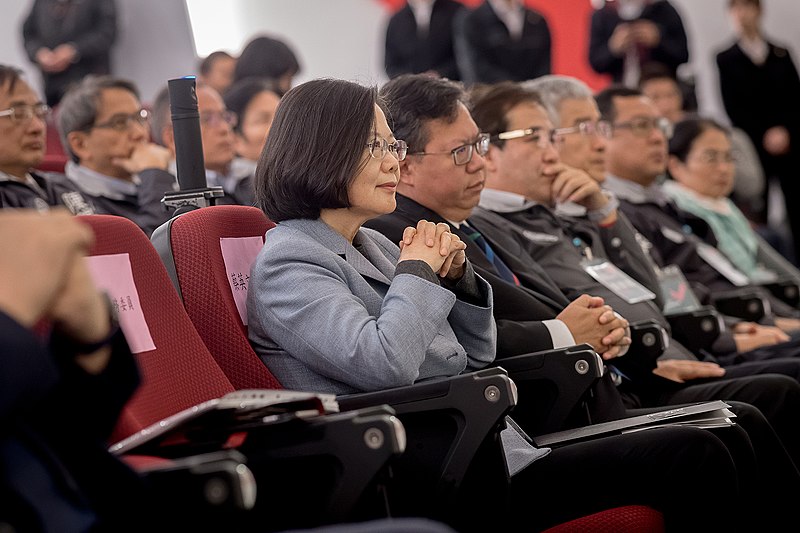
Taiwanese President Tsai Ing-wen spoke with incoming Czech President Petr Pavel in a move that is deemed unusual due to the lack of formal diplomatic ties between the two nations. The call is also going to lead to criticism from China, which views Taiwan as its territory.
Tsai spoke with Pavel on Monday, and the offices of both leaders said that Tsai and Pavel reiterated the nations’ shared values of democracy, freedom, and human rights. Pavel also said he hopes to meet with Tsai in the future. Tsai expressed hopes that the Czech Republic, under Pavel’s leadership, will continue to cooperate with Taiwan in order to promote a close partnership.
“Bilateral interaction between Taiwan and the Czech Republic is close and good,” said the Taiwanese presidential office.
Pavel, who is a former army chief and a high-ranking NATO official, won the Czech presidential elections over the weekend. Pavel said on Twitter that both Taiwan and the Czech Republic “share the values of freedom, democracy, and human rights.” Pavel is set to take office in March, succeeding President Milos Zeman, who is known for having a pro-Beijing stance.
The Czech Republic has no formal diplomatic ties with Taiwan due to China, but relations between both nations have moved closer due to Beijing’s increased military threats on the democratically-governed island. Taipei has also sought to establish relations among countries in eastern and central Europe.
The Czech government has said it is looking to deepen cooperation with the democratic countries in the Indo-Pacific region, including Taiwan, while also seeking a “revision” of relations with China.
Taiwan has repeatedly rejected China’s claims of sovereignty over the island despite Beijing’s increased pressure campaign to make the Taiwanese government cede to China. Taipei has said only its people can determine its future.
Meanwhile, US Republican Rep. Mike McCaul, who chairs the House Foreign Affairs Committee, told Fox News Sunday that there is a high possibility of the United States entering a military conflict with China over the island nation.
McCaul cited a memo by US Air Mobility Command chief General Mike Minihan dating February 1 but was released on Friday last week, saying that there is a chance the US will enter a military conflict with China in 2025.







