


 US, China Extend Trade Truce to Jan. 10 Ahead of Trump-Xi Summit
  Appeals Court Rejects Trump Third-Country Deportation Policy
  Trump Administration Prepares Sanctions Against Entire ICC
  US Court Approves airBaltic Chapter 11 Restructuring
  Judge Rejects Minnesota Bid to Force ICE Agent Extradition
  Judge Orders Trump to Restore White House Access for CNN, MS NOW and Politico
  Ecuador Court Convicts Ex-President Lenin Moreno in Bribery Case
  Paramount-Warner Bros $110 Billion Deal Draws Antitrust Backlash
  Abbas Reaffirms November 28 Palestinian Elections
  Netanyahu’s Brief US Trip Highlights Strains With Trump
  US Officials Split Over Response to Israeli West Bank Settlements
  Sudan Rejects US Legitimacy Remarks, Defends Sovereignty
  Gaza Faces Evacuation Crisis as War-Damaged Buildings Risk Collapse
  France Defends Netanyahu Airspace Clearance Despite ICC Warrant
  Nvidia-Groq AI Chip Deal Faces U.S. Antitrust Probe
  US Senate Rejects Iran War Powers Resolution in 50-49 Vote
  US Invites Putin to Miami G20, Opening Door to Trump Summit


 Add as a preferred source on Google
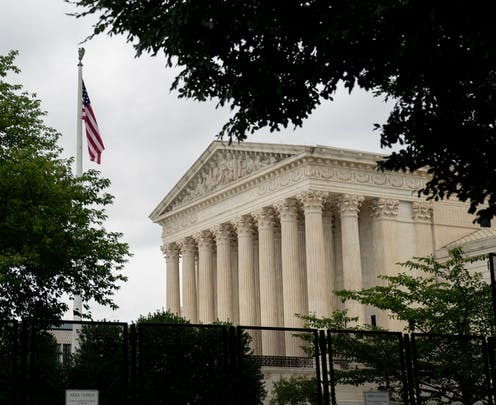
The U.S. Supreme Court temporarily blocked the Trump administration from deporting Venezuelan migrants detained in Texas, following urgent appeals by the ACLU. The Court’s brief early Saturday ruling paused removals until further notice, amid claims that detainees were being deported without proper judicial review—a right mandated by a recent Supreme Court decision.
Conservative Justices Clarence Thomas and Samuel Alito dissented. The case focuses on Venezuelan men held at the Bluebonnet Detention Facility in Anson, Texas. Some had reportedly already been placed on buses before the Supreme Court's intervention. ACLU attorneys argued the deportations violated due process rights, with detainees receiving minimal notice and no time to challenge their classification as "alien enemies."
President Trump, who invoked the 1798 Alien Enemies Act to fast-track the removal of suspected Tren de Aragua gang members, defended the move, saying, “If they’re bad people, I would certainly authorize it.” The administration maintains it has broad authority over immigration, while critics—including civil rights groups and members of Congress—question the lack of transparency and evidence tying these individuals to the criminal group.
A lower court judge denied a separate ACLU request to halt deportations, citing limited authority, even as concerns mounted that deportees could be sent to high-security prisons in El Salvador. The Supreme Court had previously ruled that detainees must receive reasonable notice to pursue habeas corpus relief before deportation, but did not define a specific timeframe.
This legal battle underscores growing tensions over immigration enforcement, executive power, and civil liberties as Trump intensifies efforts to crack down on undocumented migrants ahead of the election. Homeland Security insists it is complying with the Court’s ruling but has declined to provide further details.







