


 Amazon's "Transformer" Phone: Can It Succeed Where Fire Phone Failed?
  AWS Bahrain Region Disrupted by Drone Activity Amid Middle East Conflict
  CPAC 2026: Republicans Back Trump's Iran Strikes Amid Growing Public Skepticism
  Apple Defies China's Smartphone Slump with Strong Early 2026 Sales
  Jeff Bezos Eyes $100 Billion Fund to Transform Manufacturing With AI
  Russia Accused of Helping Iran Target U.S. Forces, European Powers Tell G7
  Explosion and Fire Erupt at Valero Oil Refinery in Port Arthur, Texas
  Golden Dome Missile Defense: Anduril and Palantir Join Forces on Trump's $185B Space Shield
  Iran Allows Oil Tankers Through Strait of Hormuz Amid U.S. Negotiations
  9 Tips for Avoiding Tax Season Cyber Scams
  Unilever and Magnum Face Defamation Lawsuit Over Ben & Jerry's Board Chair Dismissal
  Taiwan Arms Deal on Track Despite U.S.-China Summit Uncertainty
  Merck's $6 Billion Bid for Terns Pharma Signals Bold Oncology Push
  Trump Administration Settles Lawsuit Barring Federal Agencies from Pressuring Social Media Censorship
  Reflection AI Eyes $25 Billion Valuation in Massive $2.5 Billion Funding Round
  SK Hynix Eyes Up to $14 Billion U.S. IPO to Fund AI Chip Expansion
  Nanya Technology Shares Surge 10% After $2.5 Billion Private Placement from Sandisk and Cisco


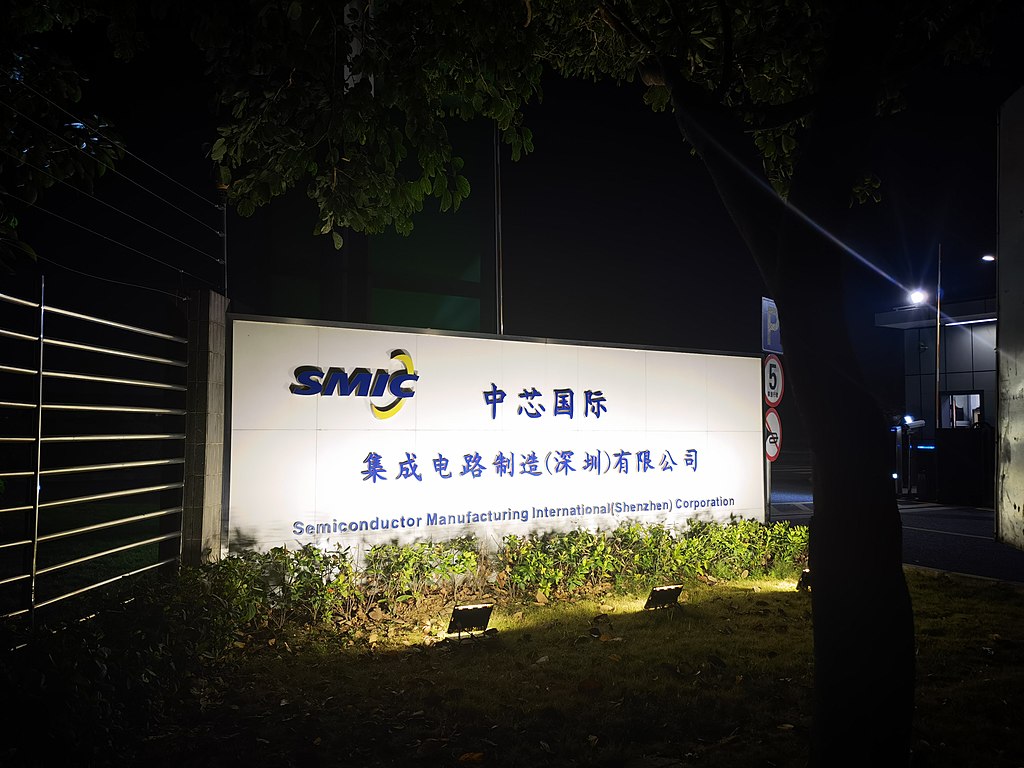
China's top semiconductor manufacturer, SMIC (Semiconductor Manufacturing International Corporation), has reportedly been transferring chipmaking equipment to Iran's military industrial complex, according to two senior Trump administration officials. The disclosure raises serious concerns about Beijing's role amid the ongoing U.S.-Israeli military conflict with Iran, now entering its second month.
According to the officials, who spoke anonymously to protect classified information, the transfers began approximately one year ago and are believed to be ongoing. Beyond hardware, the collaboration is said to have included technical training on SMIC's semiconductor technologies — equipping Iran's defense sector with potentially critical electronics manufacturing capabilities.
Neither SMIC, the Chinese Embassy in Washington, nor Iran's UN mission responded to requests for comment. SMIC, which was placed on a U.S. trade blacklist in 2020 over alleged ties to China's military, has consistently denied those connections. Beijing, meanwhile, insists it conducts only legitimate commercial trade with Tehran and has maintained a publicly neutral stance on the Middle East conflict. Chinese Foreign Minister Wang Yi recently urged all parties to pursue peace negotiations.
The allegations arrive at a diplomatically volatile moment. Washington has aggressively worked to restrict China's advanced chip industry through sweeping sanctions targeting SMIC and other manufacturers, limiting their access to cutting-edge equipment from American suppliers like Lam Research, KLA, and Applied Materials. The Biden administration further tightened these restrictions in 2024 after SMIC produced a high-performance chip for Huawei's Mate 60 Pro smartphone.
The reported chip tool transfers, combined with a separate Reuters report indicating Iran was near a deal with China for anti-ship cruise missiles, suggest deepening military-industrial ties between Beijing and Tehran — developments that could significantly strain U.S.-China relations and complicate Washington's broader strategy in the Middle East.







