


 North Korea Rejects Nuclear Test Warning, Calls Nuclear Status Irreversible
  US Resumes Immigrant Visa Processing for Hungary, Poland
  Pezeshkian Says US Must Choose When Iran War Ends
  Pentagon Restarts Testosterone Testing for US Troops
  Canada Unveils Bill to Fast-Track Major Resource Projects
  US Bans Canadian Alcohol, Motorcycles as Trade War Escalates
  Netanyahu Takes Aim at Mamdani as Israel Election Nears
  Australia Tightens Student Visa Rules, Targets Migration Cut by 2028
  Trump Administration Removes Confederate Memorial Criticism From Arlington Website
  NATO Boosts Intelligence Sharing Amid Russia Hybrid Threats
  Russian Missile and Drone Attack on Kyiv Kills Two, Damages Maternity Hospital
  Saudi Arabia Shuts East-West Oil Pipeline After Drone Attack
  Abbas Reaffirms November 28 Palestinian Elections
  South Korea, US Discuss Warship Building Cooperation
  Appeals Court Rejects Trump Third-Country Deportation Policy
  Trump Scales Back Endangered Species Act Protections
  US Backs Musk in Fight Against EU’s €120 Million X Fine


 Add as a preferred source on Google
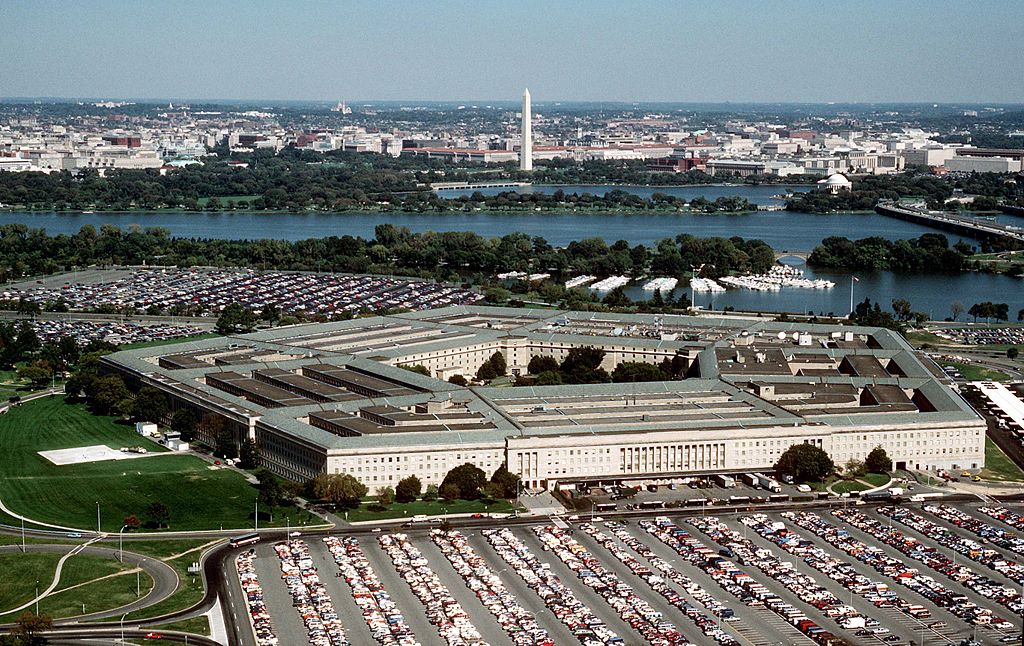
The Pentagon is reportedly considering deploying up to 10,000 additional ground troops to the Middle East, according to a Wall Street Journal report citing Department of Defense officials familiar with the planning. The potential military buildup comes as President Donald Trump simultaneously explores diplomatic channels, including peace negotiations with Tehran over its nuclear program.
This strategic troop deployment reflects the dual-track approach the Trump administration appears to be pursuing — maintaining strong military deterrence in the region while keeping dialogue with Iran open. Defense officials suggest the reinforcements would expand the United States' operational flexibility and provide the Commander-in-Chief with a broader range of military options should diplomatic efforts stall or regional tensions escalate.
The Middle East has remained a focal point of U.S. foreign policy, with Iran's nuclear ambitions continuing to drive concern among American allies and security analysts. A significant increase in American military presence could serve as both a deterrent and a bargaining chip during sensitive negotiations. Experts note that projecting strength while engaging in diplomacy has historically been a cornerstone of U.S. strategy in the region.
While no final decision has been announced by the Department of Defense, the scale of the potential deployment signals that the Trump administration is preparing for multiple scenarios. The move is likely to draw attention from regional powers, NATO allies, and international observers monitoring the fragile state of U.S.-Iran relations.
As Washington weighs its next steps, the balance between military readiness and diplomatic engagement will be critical. The outcome of these deliberations could significantly shape the security landscape across the Middle East for months to come, making this one of the most closely watched defense decisions of the current administration.







