


 China's Fermented Feed Push: Cutting Soybean Dependence Amid Trade War
  U.S. Stock Futures Surge as Trump Postpones Iran Strikes, Ceasefire Hopes Rise
  Trump Suspends Iran Strikes for Two Weeks as Ceasefire Talks Begin
  Trump Signs Executive Order to Boost AI Research in Childhood Cancer
  Energy Prices and Dollar Climb as U.S.-Iran Conflict Grips Global Markets
  SpaceX Prioritizes Moon Mission Before Mars as Starship Development Accelerates
  Goldman Sachs Cuts 2026 Copper Price Forecast Amid Global Growth Concerns
  Oil Prices Crash Nearly 15% After Trump-Iran Ceasefire Deal
  SpaceX’s Starship Completes 11th Test Flight, Paving Way for Moon and Mars Missions
  Eli Lilly’s Inluriyo Gains FDA Approval for Advanced Breast Cancer Treatment
  US Dollar Dips as Iran Rejects Ceasefire Amid Rising Middle East Tensions
  Senate Sets December 8 Vote on Trump’s NASA Nominee Jared Isaacman
  FDA Lifts REMS Requirement for CAR-T Cell Cancer Therapies
  Neuralink Expands Brain Implant Trials with 12 Global Patients
  ECB Warns of Rising Inflation Risks Amid Iran War Energy Shock
  Global Markets Waver as U.S.-Iran War Deadline Looms and Oil Prices Surge


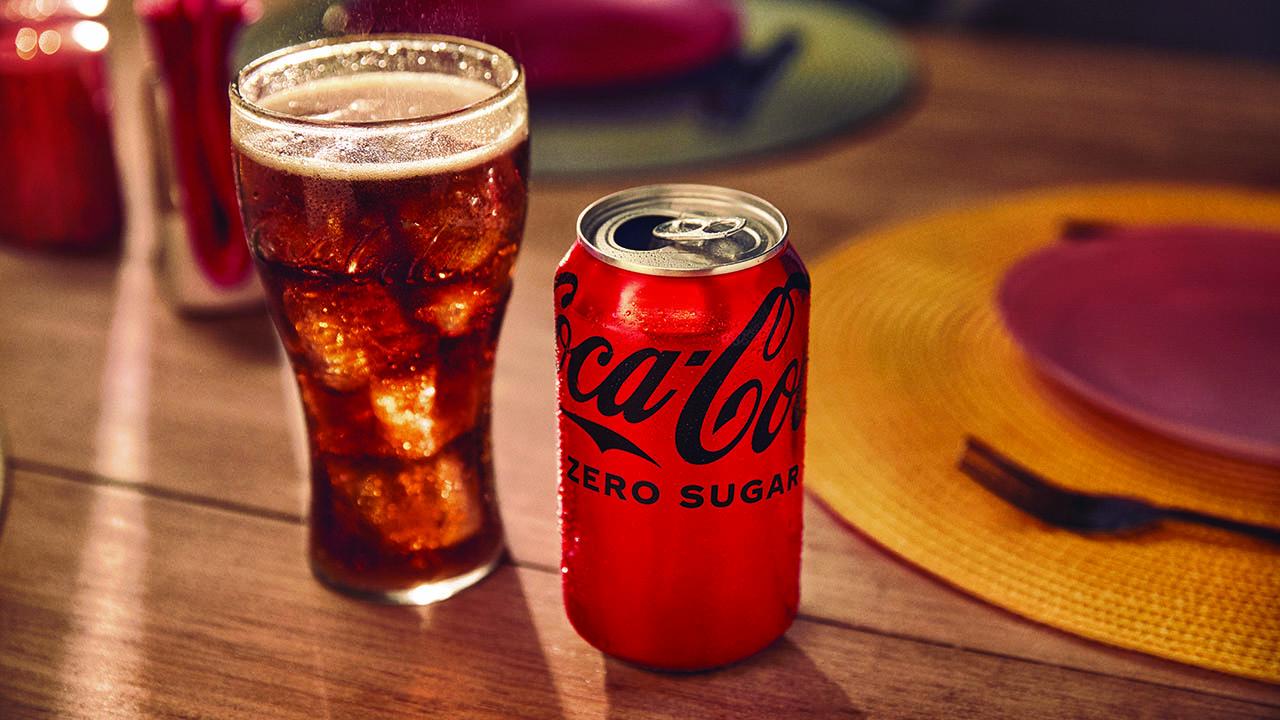
Duke University researchers revealed that the gastrointestinal tract, and not the tongue, distinguishes between Coca-Cola Original and Coca-Cola Zero Sugar.
According to their published study, neuropod cells in the stomach and intestine send signals to the brain recognizing sugar and artificial sweeteners differently.
Due to neurotransmitters like glutamate and ATP, the vagus nerve gets to figure out the difference within two millionths of a second.
Many noted that Coke Zero Sugar, which contains artificial sweeteners like sucralose and acesulfame potassium, could not fully replicate the taste of Original Coke.
While the tastes are closely similar, there are subtle differences between sugar and artificial sweeteners picked up by the human body upon ingestion.







