


 Stellar Hits Record 217 TPS as Institutional RWA Activity Surges
  Gold Holds Near Seven-Week Low as Fed Rate Hike Bets Rise
  BlackRock’s Rick Rieder Favors Bonds Over Stocks as Treasury Yields Surge
  Oil Surge Pressures Global Stocks as U.S.-Iran Truce Hopes Fade
  U.S. Stock Futures Steady as AI, Rate Concerns Weigh
  ECB May Stop Rate Hikes After December, Capital Economics Says
  Asian Stocks Fall as Oil Surge, Bond Yields and AI Concerns Hit Markets
  Vitalik Buterin Says Hegota Could Be Ethereum’s Last Conventional Fork
  Toyota Global Sales Fall for Seventh Month as China Demand Slumps
  RedotPay Completes Audits as Stablecoin Firm Advances U.S. IPO Plans
  Nvidia China Chip Sales Report Sends Chinese Semiconductor Stocks Lower
  Gold Slides Below $4,300 as Oil Surge Fuels Fed Rate Hike Bets
  CSL Partners With AWS to Bring AI Into Drug Research
  Bitget Restores Withdrawals After $388 Million Security Breach
  HUTCHMED, AstraZeneca Seek FDA Approval for Lung Cancer Combo
  UK Housebuilder Stocks Surge on New First-Time Buyer Loan Scheme
  Bitget Resumes Crypto Withdrawals After $388M Security Breach


 Add as a preferred source on Google
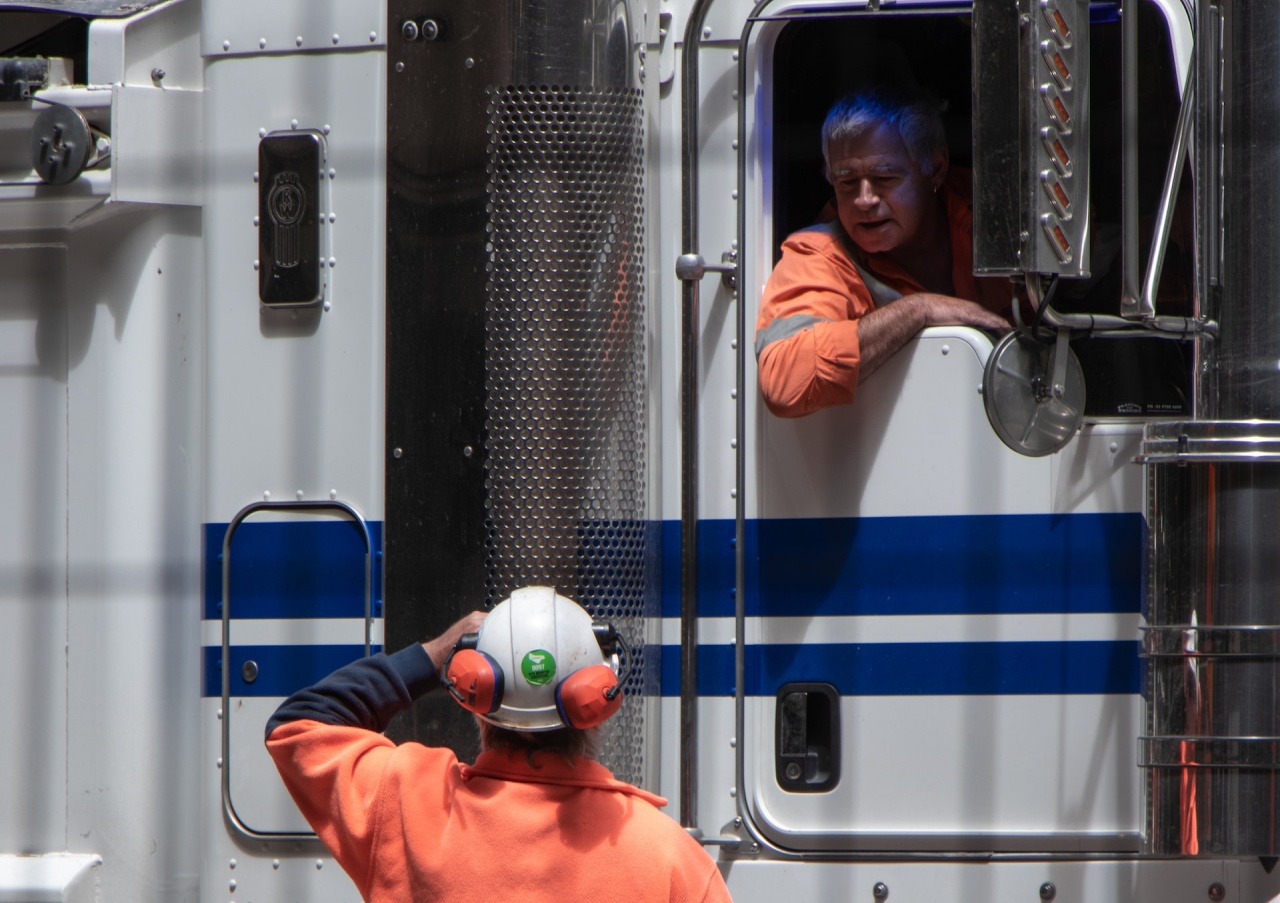
Thousands of truckers in South Korea are on strike, and on Monday, Nov. 28, the group and government officials held a 2-hour meeting. Unfortunately, the two camps were not able to reach an agreement, and a threat of executive action is brewing as a result.
As per the Korea Joongang Daily, the striking truckers and the officials are set to return to the negotiating table on Wednesday, Nov. 30. It was reported that Eo Myeong So, the vice minister of the Ministry of Land, Infrastructure and Transport (MOLIT), talked with the representatives of Cargo Truckers Solidarity, a group that is part of the Korean Confederation of Trade Unions, at the government agency’s office located in Sejong.
Since Thursday, around 7,600 unionized truck drivers have joined the strike. It was said that about 25,000 truckers which is equivalent to six percent of the country’s total, are members of the trucker union. They are protesting for the government to grant their demand of making the freight rate system permanent plus expand the qualifications to include more types of trucks.
In this system, workers are guaranteed the minimum transportation charges to prevent overworking as well as speeding. This system which was temporarily implemented in 2020, also states that shippers are fined if they pay less than the specified minimum. The truckers want to retain this scheme which is already expiring next year.
Eo said this week that extending the system to include more types of drivers is something that the government will not agree on. He said this after commenting that they have already expressed their position with regard to the extension of the freight rate system for another three years.
Lee Sang Min, the minister of interior and safety, further said during a government emergency safety meeting this week that they “can no longer stand by and watch the bad habits of selfish collective actions led by a small group of hardline aristocratic labor union leaders rock the economy and cause harm to the majority of good workers.”
He added, “The government has already accepted the demand from the cargo truck union to extend the freight rate system for another three years for container and cement trucks and we are looking for a solution in our discussions with the National Assembly."
At this time, the system only includes drivers of trucks that carry cement and containers. Thus, the protesting cargo drivers want others to get the same benefits as well. However, as stated by the officials in recent meetings, the government is unlikely to approve this.
Meanwhile, Pulse News reported that the failed dialogue between the officials and the truckers group had halted many loading activities in key ports. Companies from steel to cement and petrochemicals were forced to halt their deliveries and transportation of goods due to the strike.
Photo by: Mitchell Luo/Unsplash







