


 UK Housebuilder Stocks Surge on New First-Time Buyer Loan Scheme
  Hong Kong Home Prices Stabilize in August After July Decline
  China Cuts Tariffs on U.S. Farm Goods but Excludes Soybeans
  Asian Stocks Fall as Oil Surge, Bond Yields and AI Concerns Hit Markets
  Nvidia China Chip Sales Report Sends Chinese Semiconductor Stocks Lower
  South Korea Tax Windfall Could Top 50 Trillion Won on Chip Boom
  ECB May Stop Rate Hikes After December, Capital Economics Says
  UK PM Burnham to Unveil Economic Vision at Labour Conference
  BlackRock’s Rick Rieder Favors Bonds Over Stocks as Treasury Yields Surge
  Asian Currencies Weaken as Dollar, Oil Prices Rise
  Oil Surge Pressures Global Stocks as U.S.-Iran Truce Hopes Fade
  US Stocks Face Jobs, Inflation Test as Fed Rate Hike Bets Rise
  RBA Set for September Rate Hike as Inflation Stays High
  Canadian Dollar Faces Pressure as Fed-BoC Policy Gap Widens
  Europe’s AI Data Centre Boom Strengthens Case for Nuclear Power
  China Agrees to Buy 20 Million Tons of U.S. Coal


 Add as a preferred source on Google
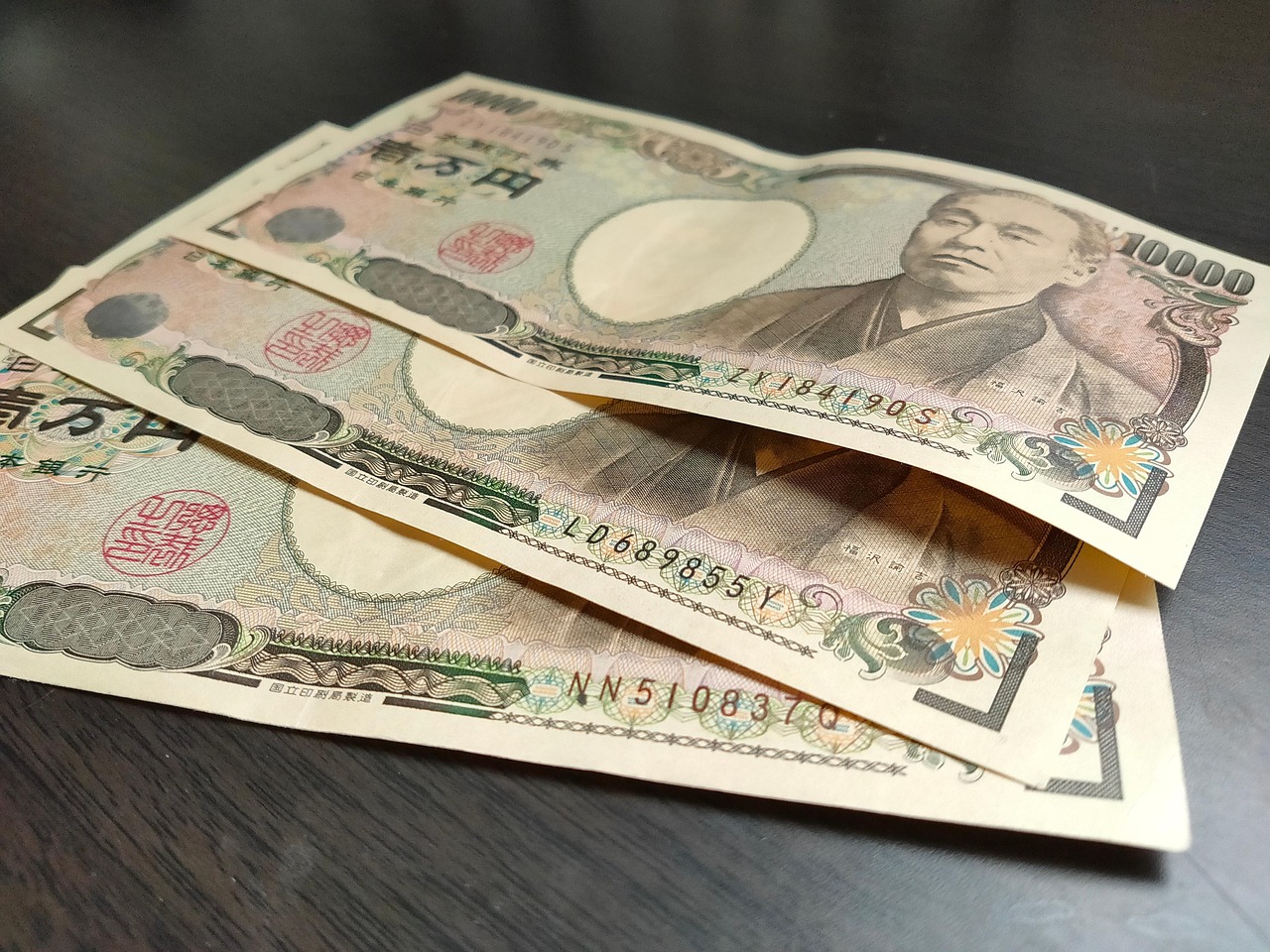
Japan’s top currency diplomat Atsushi Mimura warned markets on Monday to take Tokyo and Washington’s recent message on the yen seriously, signaling that Japanese authorities remain prepared to respond to excessive currency moves.
Mimura’s comments followed high-level discussions between Japan and the United States over the yen’s weakness. Japanese Finance Minister Satsuki Katayama said Friday that U.S. President Donald Trump had raised concerns about the currency during a summit with Japanese Prime Minister Sanae Takaichi.
“Japan’s prime minister, finance minister and the US have sent a very clear message. Markets should take that message at face value,” Mimura told Reuters while discussing the yen’s recent declines.
Mimura added that he would closely monitor whether financial markets continued to respond appropriately to that message.
The remarks reinforce concerns in Tokyo about further yen depreciation. Although Mimura declined to say whether Japan could intervene directly in the foreign exchange market to support the currency, he indicated that officials were not comfortable with its recent movements.
Mimura said he remained neither satisfied nor reassured by the yen’s performance, suggesting Japanese authorities continue to see the risk of renewed selling pressure.
Japan has previously stepped into currency markets when rapid yen declines were considered excessive, making traders particularly sensitive to comments from senior government officials about exchange-rate movements and potential intervention.
Signs of coordinated concern between Tokyo and Washington also emerged Friday. Katayama and U.S. Treasury Secretary Scott Bessent reaffirmed during a phone conversation that the yen’s undervaluation was a matter of concern.
The discussions could increase scrutiny of the yen as investors assess whether Japanese authorities may take stronger action if the currency resumes a sharp decline.







