


 Germany’s 2026 Growth Outlook Strengthens on Fiscal Spending
  Europe’s AI Data Centre Boom Strengthens Case for Nuclear Power
  Oil Prices Fall on U.S.-Iran Hormuz Deal Hopes
  Binance Expands MarsCoin With Tokenized SpaceX Share Rewards
  Hong Kong Home Prices Stabilize in August After July Decline
  Nvidia China Chip Sales Report Sends Chinese Semiconductor Stocks Lower
  Canadian Dollar Faces Pressure as Fed-BoC Policy Gap Widens
  UK Housebuilder Stocks Surge on New First-Time Buyer Loan Scheme
  Japan Warns Markets Over Yen Weakness
  TikTok Reaches $100 Million Alabama Settlement Over Child Safety Claims
  China Agrees to Buy 20 Million Tons of U.S. Coal
  BlackRock’s Rick Rieder Favors Bonds Over Stocks as Treasury Yields Surge
  U.S. Stock Futures Fall as Iran, Oil and AI Risks Rattle Markets
  Oil Surge Pressures Global Stocks as U.S.-Iran Truce Hopes Fade
  China Cuts Tariffs on U.S. Farm Goods but Excludes Soybeans
  Erste Group Plans Tender Offer to Boost Poland Bank Stake
  Oura IPO Draws Strong Demand Ahead of $2.2 Billion Offering


 Add as a preferred source on Google
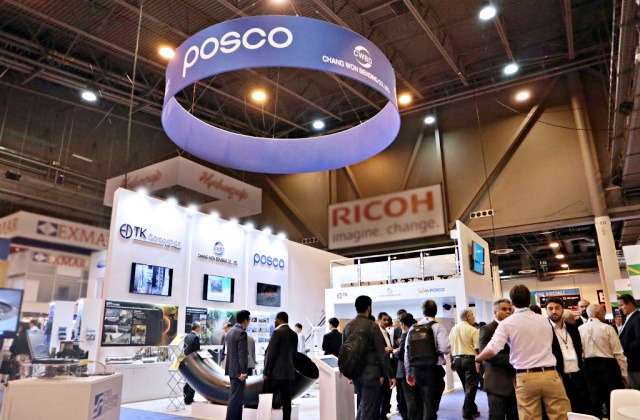
POSCO is the latest major company that is affected by the ongoing truckers' strike in South Korea. The union truckers have not returned to work yet, and on Sunday, they have been in a protest for six straight days already.
According to Reuters, the strike continues as the talks with the government did not make any progress. They have been demanding a pay increase, and apparently, this was not granted.
The truckers' strike affected many companies, and at this point, it has already crippled the cargo transport at major ports and industrial centers in South Korea. It was reported that the country's transport ministry officials held a meeting with the union leaders for the third round of negotiations that lasted more than 10 hours. However, the talks still failed as the two parties could not reach an agreement.
Moreover, the ministry urged the truckers to return to work but continue to go on strike instead as they could not settle or narrow their differences. A union official said that it is uncertain if there will be more talks in the future, but the ministry said it will still continue with the negotiation.
A senior official of the union said that groups from 16 regions will discuss what their next step will be. This strike has intensified the shortage of several goods, including batteries and semiconductor products, since South Korea is a major supplier of these items as well as auto parts and mobile gadgets.
Indeed, with the union members' refusal to return to work, the global supply chain that has already been disrupted by COVID-19 and the war in Ukraine may turn for the worst. Many ports worldwide are struggling with supply stoppage and slowdown in chips. This is why the strike is not only threatening for companies in South Korea but in other countries as well.
POSCO, Hyundai, and Kia are three of the most affected firms right now. It was even reported that the steelmaker was forced to close down its facilities for lack of materials that could not be transported to the production plants due to the strike. Meanwhile, the ministry released a statement about the failed talks on Sunday.
"The truckers refused to budge from their initial demand that the system be unconditionally extended with measures to include more freight items eligible for the law," The Korea Times quoted the ministry as saying in a statement. "We explained that logistics operators are calling for the abolishment of the system, citing the unverified causal relationship between the system and the decrease of road accidents due to lack of sleep or freight trucks being overloaded."







