


 RBA Hikes Interest Rate to 4.60% as Inflation Risks Rise
  XRP Price Targets $1.70 as Bullish Momentum Builds
  Nvidia China Chip Sales Report Sends Chinese Semiconductor Stocks Lower
  RedotPay Completes Audits as Stablecoin Firm Advances U.S. IPO Plans
  UK Housebuilder Stocks Surge on New First-Time Buyer Loan Scheme
  Binance Expands MarsCoin With Tokenized SpaceX Share Rewards
  Nissan Targets US Hybrid Growth With Rogue e-Power Launch
  Gold Holds Near Seven-Week Low as Fed Rate Hike Bets Rise
  South Korea Tax Windfall Could Top 50 Trillion Won on Chip Boom
  Citigroup Expands Coinbase Partnership for Stablecoin Payments
  Asian Chip Stocks Tumble as OpenAI Safety Pause Sparks AI Growth Concerns
  Asian Currencies Mixed as Yen Weakens, RBA Hike Looms
  Australia Budget Deficit Narrows to A$22.3 Billion on Stronger Tax Revenue
  Chainlink Launches CCIP 2.0 With Enhanced Cross-Chain Security
  BlackRock’s Rick Rieder Favors Bonds Over Stocks as Treasury Yields Surge
  China Cuts Tariffs on U.S. Farm Goods but Excludes Soybeans
  Bitget Restores Withdrawals After $388 Million Security Breach


 Add as a preferred source on Google
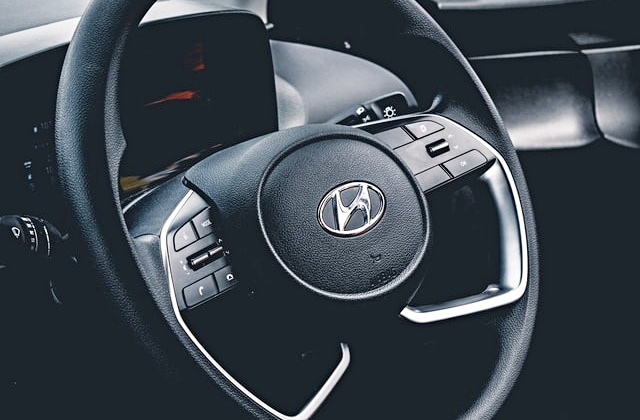
Hyundai Motor’s truck drivers are on strike, and it has been more than two days since it started. As the strike continues, it was reported that the production at the automaker’s plants in Ulsan has been affected.
The truckers’ strike disrupted Hyundai Motor’s production, and in turn, this has caused further delays in the shipment of orders. It was reported that the company’s biggest plant, which is located in Ulsan, only managed to produce half of its capacity this week due to a parts shortage that was caused by the truckers’ strike in South Korea.
According to Reuters, around 8,100 members of the country’s Cargo Truckers Solidarity union went on strike for the third day on Thursday, June 9. The number of the strikers is more than 36% of the total members of the union, and they have staged a protest due to the rising fuel costs, declining activity at ports, and incessant disruptions in production.
The strike was said to be a new risk to the already strained supply chain that has been affecting numerous companies around the world. Earlier today, about 1,000 truckers staged a protest in front of Hyundai Motor’s facility in Ulsan. The plant’s production is still operating at just 50-60% capacity since the strike is still ongoing.
Hyundai Motor declined to provide more details with regard to the extent of the strike’s impact on its business. However, one thing is sure, it has delayed the delivery of orders.
“About 30 percent of first-tier auto parts suppliers are making losses amid supply disruption and mobility shift Cargo truckers’ union strike is an illegal act that prohibits legitimate shipments,” Pulse News quoted the chairman of Korea Automobile Manufacturers Association (KAMA), Jung Man Ki, as saying in a statement related to the strike. “Production disruption is inevitable to the automotive industry, and consumers also will be victimized due to further delay in new car deliveries.”
Meanwhile, Yonhap News Agency reported that the striking truck drivers refused to deliver auto parts to Hyundai Motor’s five plants in Ulsan since Wednesday. Thus, the company was not able to have the needed components to build vehicles for shipment.







