


 Russian Envoy Dmitriev Heads to US for Ukraine Talks
  Pezeshkian Says US Must Choose When Iran War Ends
  Mexico-US Trade Talks Delayed to October as Tariff Negotiations Continue
  Ghana Says Western Support Growing for Slave Trade Reparations
  US Backs Musk in Fight Against EU’s €120 Million X Fine
  NATO Boosts Intelligence Sharing Amid Russia Hybrid Threats
  European Stocks Fall as Bond Yields and Geopolitical Risks Weigh
  North Korea Warns South Korea Over US-Led Defense Role
  Wall Street Ends Flat as Oil, Treasury Yields and Fed Jitters Rattle Markets
  Fed Unveils Stablecoin Rules Under GENIUS Act
  Dollar Holds Near Two-Month High as Yen Approaches 160
  What ‘Taiwan Independence’ Means as Xi Presses Trump on US Policy
  U.S. 10-Year Treasury Yield Hits 2007 High as Fed Rate Hike Bets Rise
  Oil Prices Ease as Iran Tensions Clash With Diplomacy Hopes
  Trump, Xi Focus on Trade and AI at White House Summit
  France Defends Netanyahu Airspace Clearance Despite ICC Warrant
  Taiwan Thanks US for Support Ahead of Trump-Xi Summit


 Add as a preferred source on Google
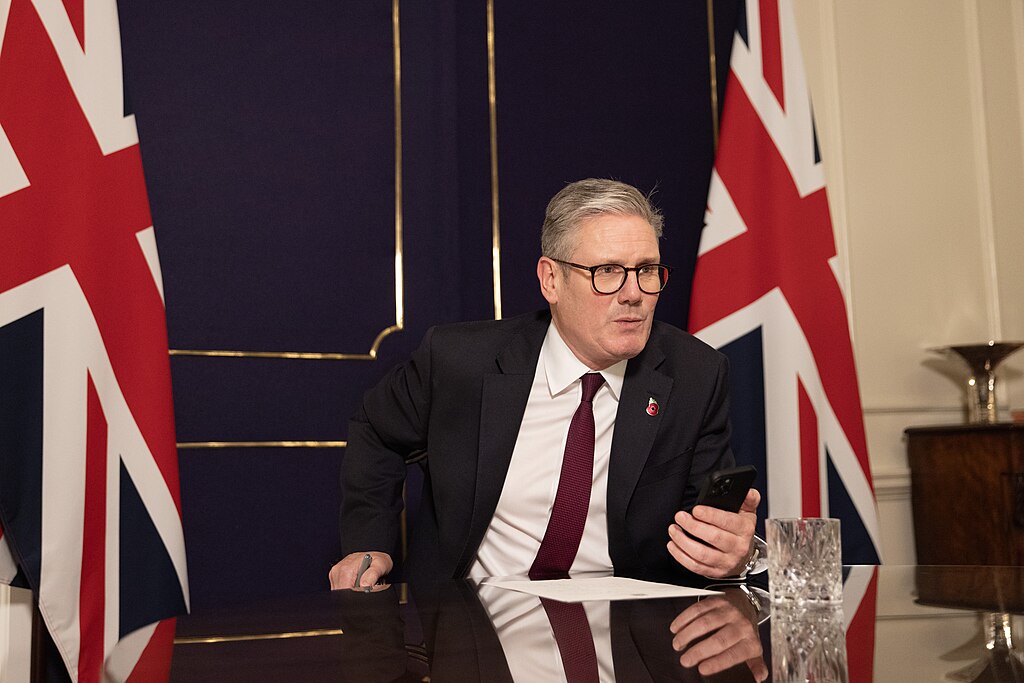
British Prime Minister Keir Starmer is set to unveil his long-term economic vision on Monday, aiming to reinforce the Labour government’s strategy for boosting economic growth. The upcoming speech, confirmed by Downing Street, will expand on themes introduced in last week’s budget delivered by Finance Minister Rachel Reeves, which included £26 billion ($34.41 billion) in tax increases. Starmer’s address is expected to highlight the “broader mission” guiding Labour’s economic reforms and its push to stabilize public finances while stimulating investment and productivity.
The Labour Party, despite securing a landslide election victory last year, now trails behind the right-wing Reform UK in several opinion polls. With the next general election due by mid-2029, pressure is mounting within the party for Starmer to regain political momentum after a challenging first year marked by reversals on major policies and persistent concerns over fiscal constraints. His speech aims to reassure both voters and party members that Labour remains committed to delivering sustainable growth and addressing the cost-of-living crisis.
A key focus of Starmer’s economic strategy will be eliminating unnecessary regulation and reducing structural costs that burden businesses and households. According to excerpts released by Downing Street, Starmer will argue that cutting “excessive costs in every corner of the economy” is essential for creating more dynamic markets and lowering living expenses long-term. This message aligns with Labour’s broader agenda of promoting a more competitive and investment-friendly economic environment.
Starmer is also expected to emphasize expanding workforce participation. This includes increasing access to apprenticeships, strengthening skills training programs, and removing employment barriers faced by people with disabilities, neurodivergence, or mental health conditions. By helping more people into work, the government aims to address labor shortages, boost productivity, and support inclusive economic growth.
The prime minister’s speech signals Labour’s effort to reset its narrative, reinforce public confidence, and demonstrate a clear plan for the country’s economic future.







