


 Adobe Names Anil Chakravarthy CEO as AI Push Accelerates
  OpenAI Launches GPT-6 Astra With Advanced AI Agent Capabilities
  US Oil Blockade Deepens Iran’s Economic Crisis
  Deutsche Telekom Shares Rise as Elliott Pushes Against T-Mobile Merger
  U.S. Payrolls Seen Rebounding in August as Labor Market Stays Soft
  Xiaomi Shares Jump on Europe EV Expansion Plan
  OPEC+ Expected to Hold October Oil Output Steady
  Shein Shares Drop 5% After Weak Hong Kong IPO Debut
  Volkswagen Approves 50,000 More Job Cuts in Major Restructuring
  Milei Threatens Falkland Oil Firms With Sanctions
  Tesla Cybercab Launch Puts Robotaxi Ambitions in Focus
  Dollar Hits Two-Week High as Iran Conflict Lifts Oil and Bond Yields
  Chinese AI Stocks Rally After OpenAI Launches GPT-6 Astra
  Treasury Yields Set to Stay High as Debt Supply Pressures Bond Market
  Asian Stocks Rally as Fed Rate Hike Fears Ease
  South Korea, US Discuss Chip Investments Amid Tariff Plans
  Yen Extends Gains as BOJ Rate Hike Bets Rise


 Add as a preferred source on Google
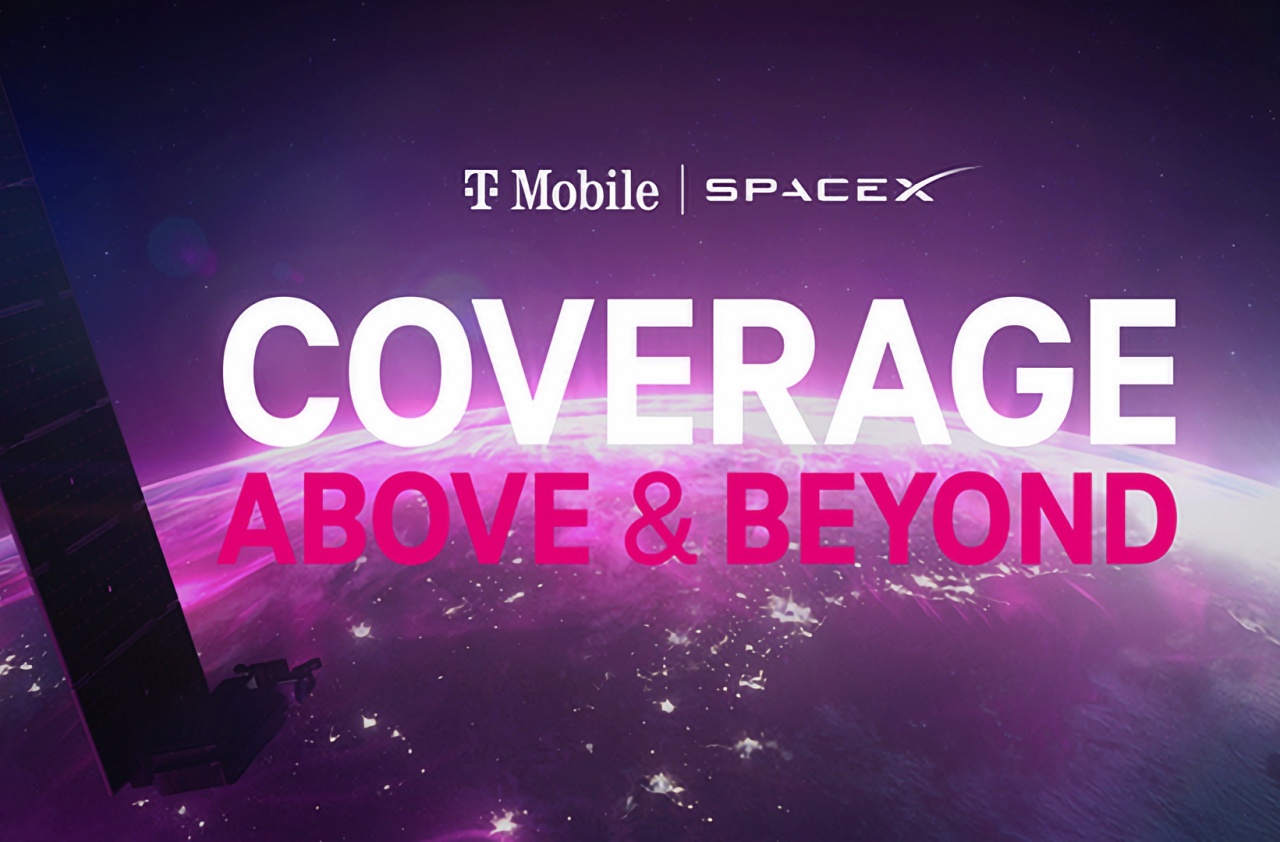
SpaceX and T-Mobile are working together to make sure that there will be no more “dead zones” or places that cannot be reached by mobile signals. The partnership was personally announced by the spacecraft engineering company’s chief executive officer Elon Musk and the German telecom firm’s chief Mike Sievert.
The CEOs said they would be launching a new mobile service that will be powered by Starlink’s second-generation satellites and T-Mobile’s bandwidth. As per CNBC, Musk and Sievert appeared at an event that was held at SpaceX’s facility in Boca Chica, Texas, last week. The latter shared that their company will be dedicating some part of its mid-band PCS spectrum to the project, and this will be incorporated into Starlink satellites that are scheduled for launch next year.
All users of the T-Mobile network will be able to use the messaging service, MMS, and some other messaging apps from remote points in all parts of the lower 48 states, Hawaii, Alaska, and Puerto Rico. This is a powerful mobile network that can even reach some far-off points in the water.
Sievert said that later on, as the project runs smoothly, the service will eventually work with voice. T-Mobile further shared it is planning to include the services listed under its most popular mobile subscription plans. Then again, the company did not mention any specific pricing or range of rates for the new service.
On the other hand, Musk said the new service would operate using Starlink’s second-generation satellites that have massive antennae. These satellites will allow the direct transmission of messages to mobile phones.
Starlink is composed of a large network of satellites that were launched by SpaceX into low Earth orbit. These were designed to distribute high-speed internet in remote areas across the world. To date, SpaceX has sent more than 2,700 satellites to orbit to support this network.
“Leveraging Starlink, SpaceX’s constellation of satellites in low Earth orbit, and T-Mobile’s wireless network, the companies are planning to provide customers text coverage practically everywhere in the continental US, Hawaii, parts of Alaska, Puerto Rico and territorial waters, even outside the signal of T-Mobile’s network,” SpaceX said in a statement.
The company added, “The service will be offered starting with a beta in select areas by the end of next year after SpaceX’s planned satellite launches.”







