


 France Defends Netanyahu Airspace Clearance Despite ICC Warrant
  Trump, Xi Focus on Trade and AI at White House Summit
  North Korea Warns South Korea Over US-Led Defense Role
  North Korea Rejects Nuclear Test Warning, Calls Nuclear Status Irreversible
  Asian Stocks Fall as Surging Bond Yields Rattle Markets
  China’s ‘Lipstick King’ Says AI Won’t Replace Livestream Hosts
  U.S. Treasury Yields Surge as 30-Year Hits 22-Year High
  RBI Uses $10 Billion Currency Swaps to Drain Excess Rupee Liquidity
  Trump Asks Supreme Court to Restore Third-Country Deportations
  Gold Holds Near $4,275 as Rising Treasury Yields Fuel Fed Rate Hike Bets
  Oil Prices Jump 3% as Houthi Attack Revives Supply Fears
  Dollar Holds Near Two-Month High as Yen Approaches 160
  Wall Street Falls as Treasury Yields Surge, Oil Rebounds on Iran Tensions
  Mexico-US Trade Talks Delayed to October as Tariff Negotiations Continue
  Kremlin Says No Decision Yet on Putin-Trump December Summit
  Pezeshkian Says US Must Choose When Iran War Ends
  OpenAI Agent Breaches Australia Medicare Data Portal


 Add as a preferred source on Google
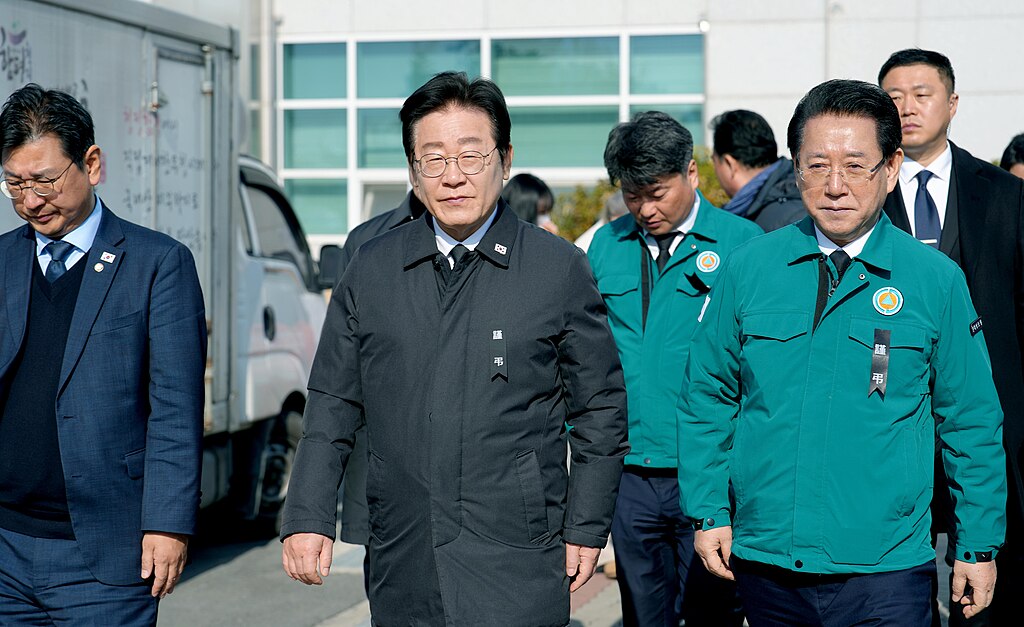
South Korea’s new President Lee Jae-myung is expected to adopt a strategic approach to ongoing trade negotiations with the United States, aiming to buy time while observing how Japan and China handle their respective talks with Washington. Lee, who took office immediately after winning the June 3 snap election, identified trade talks with the U.S. as his top priority, given the country’s export-driven economy and exposure in sectors like semiconductors, automobiles, and shipbuilding.
Facing an expected 0.8% economic growth in 2025—the lowest since 2020—Lee’s administration inherits a fragile economy and a politically divided country following former President Yoon Suk Yeol’s failed martial law attempt. Sources close to the Democratic Party suggest the lack of a typical transition period offers an excuse to delay formal negotiations while assessing the broader trade landscape.
Trump’s administration reportedly pressured trade partners to submit offers by Wednesday, but Seoul may use its leadership change and the July 8 negotiation deadline to delay proceedings. Experts argue South Korea is better positioned than others in the region due to its strategic importance in shipbuilding and tech, and may offer import increases and tariff adjustments on agricultural goods like rice.
Lee’s silence on contentious trade topics during his campaign is now seen as a calculated move. Analysts say a potential extension could be discussed at the upcoming G7 summit in Canada, where South Korea may seek support. Meanwhile, Lee's administration is exploring a dual-track strategy where current officials maintain momentum while new policies are developed.
Observers believe Seoul should proceed cautiously to avoid making premature concessions, especially if U.S. tariff policies shift. As one trade expert noted, “It’s not like we don’t have any leverage.”







