


 Canada Backs €100B Global Defence Bank as G7 Support Lags
  Bessent Says Yen Moves Contained as BOJ Rate Decision Looms
  China Warns Over Taiwan’s Pacific Islands Forum Presence
  North Korea Vows to Strengthen Nuclear Arsenal Amid U.S. Tensions
  Canada Backs €100 Billion Global Defence Bank
  Trump Says ExxonMobil Among Oil Majors Planning Venezuela Return
  Iran’s Khamenei Urges Muslim, Gulf Unity Against ‘Real Enemy’
  Ukraine Eyes US Investment for New Defence Tech Fund
  Bessent Urges G20 to Rethink China Trade Ties
  Top US General Says No Troops Planned at Polling Places
  Trump Reviews U.S. Position on Falkland Islands
  Iceland Counts Votes in Close EU Membership Talks Referendum
  Augusto Cury Surges in Brazil Presidential Polls
  US Treasury Plans Weekly Iran Sanctions Push
  Trump Posts AI Video of Iran’s Kharg Island Exploding as Tensions Surge
  Ukraine Seeks Early EU Funds to Cover $27B Defence Gap
  Flavio Bolsonaro Pledges to Respect Brazil Election Result


 Add as a preferred source on Google
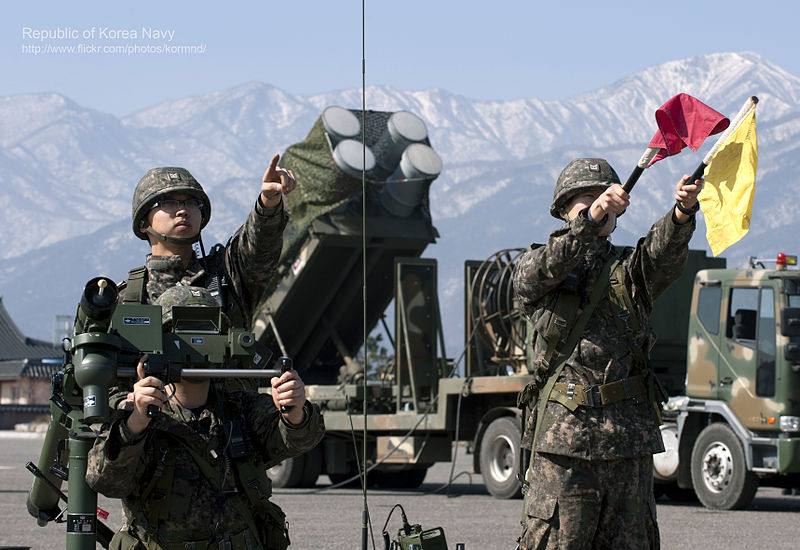
South Korea conducted a successful test of its anti-ballistic missile system this week, according to media reports. This marks the latest effort by Seoul to boost its defenses and counter North Korea.
Media reports said Tuesday that South Korea tested its L-SAM interceptor system, successfully destroying a target for the first time in a test, citing military and government sources. The test also included a version of the L-SAM designed to shoot down an aircraft. According to South Korea’s Agency for Defense Development, the L-SAM is a “cutting-edge indigenous weapon system” under development to counter missiles and other aerial threats.
The missile system was successfully tested for the first time in flight back in February. The system was also made to be part of a “layered defense network” that also includes the US-made Patriot Advanced Capability-3 missiles and locally-made Cheongung II KM-SAM medium-range weapons, which are capable of intercepting targets at various altitudes and ranges.
There have been plans for L-SAM to target incoming missiles at altitudes between 50 to 60 kilometers and is set to become operational by 2026. South Korea also hosts US military THAAD anti-missile batteries. During his campaign, President Yoon Suk-yeol called for more such batteries.
The efforts to boost defenses by South Korea come amidst the multiple weapons tests by North Korea this year, raising concerns that Pyongyang may be gearing up for its first nuclear test in five years. Japan has also sought to boost its defenses along with the United States in the region.
Meanwhile, there has been a debate over the efforts to scrap a 10-year ban on North Korean media amidst renewed calls to review a national security law dating back to the Cold War. The South Korean National Security Act already blocks access to North Korea’s government websites and media, which would bar efforts at “praising, inciting, or propagating,” its activities.
“Article 7 forces people to harbor hostility toward the North as it suppresses anyone’s freedom to review North Korean materials,” said attorney Jang Kyung-wook of the collective of human rights lawyers Minbyun.
Over 45 percent of South Koreans have expressed support for scrapping Article 7, while 40 percent are opposed.







