


 Fed Unveils Stablecoin Rules Under GENIUS Act
  Gold Drops Over 1% as Dollar, Treasury Yields Surge on Fed Rate Hike Bets
  Japan Private-Sector Growth Slows as Domestic Demand Weakens
  Oil Prices Surge as U.S.-Iran Diplomacy Hopes Fade
  Trump Asks Supreme Court to Restore Third-Country Deportations
  US Dollar Hits Two-Month High as Fed Rate Hike Bets Rise
  US Stock Futures Fall as Treasury Yields Surge Ahead of Trump-Xi Summit
  US Senate Rejects Iran War Powers Resolution in 50-49 Vote
  US 10-Year Treasury Yield at 6% Emerges as New Market Risk Threshold
  U.S. Dollar Hits Two-Month High as Oil, Treasury Yields Surge
  European Stocks Fall as Bond Yields and Geopolitical Risks Weigh
  EU Defence Build-Up Too Slow for 2030 Russia Readiness Goal
  US Officials Split Over Response to Israeli West Bank Settlements
  Europe Warns Russia Is Escalating Hybrid Attacks Across NATO
  Trump, Xi Focus on Trade and AI at White House Summit
  Russian Missile and Drone Attack on Kyiv Kills Two, Damages Maternity Hospital
  North Korea Warns South Korea Over US-Led Defense Role


 Add as a preferred source on Google
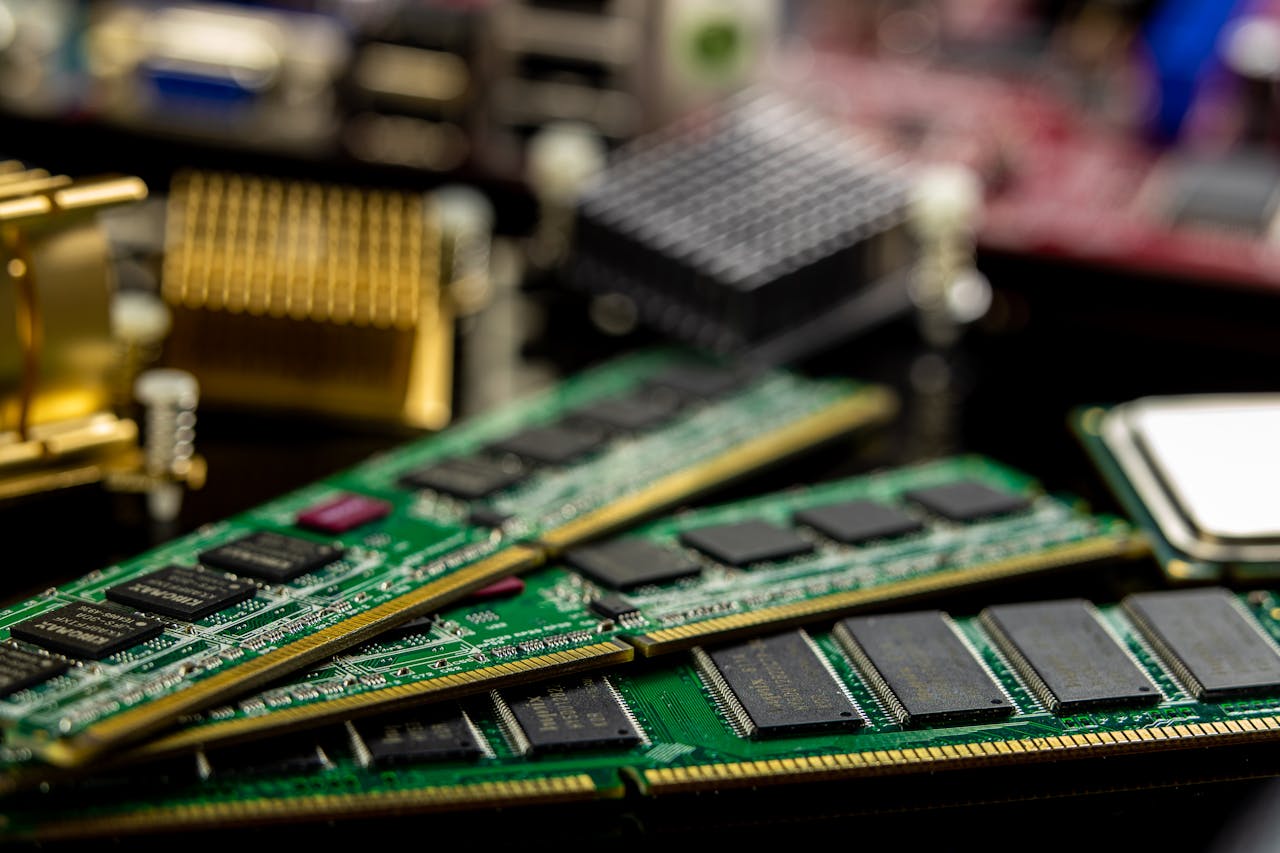
South Korea has expanded its support package for the semiconductor industry to 33 trillion won ($23.25 billion), marking a 27% increase from the 26 trillion won initiative announced in 2023. The move comes as global chip competition intensifies and policy uncertainties grow under the current U.S. administration.
A joint statement from multiple ministries, including the Ministry of Trade, highlighted that financial assistance for the chip sector will now reach 20 trillion won, up from the previous 17 trillion won. The goal is to help domestic chipmakers manage rising costs and enhance competitiveness in a global market increasingly dominated by Chinese rivals.
As the world’s fourth-largest economy, South Korea remains a dominant player in memory chips, led by giants Samsung Electronics and SK Hynix. However, the country is facing challenges in areas like chip design and contract manufacturing. In 2024, semiconductor exports reached $141.9 billion—21% of South Korea’s total exports—with $46.6 billion shipped to China and $10.7 billion to the U.S.
U.S. President Donald Trump recently announced plans to unveil new tariff rates on imported semiconductors, with some flexibility for certain companies. In response, South Korea’s Finance Minister Choi Sang-mok emphasized plans to engage in dialogue with U.S. officials over the Section 232 investigations into semiconductors and biopharmaceutical imports to mitigate negative effects on Korean firms.
Last week, Seoul also introduced emergency support for its auto industry, including tax cuts, subsidies, and financial assistance, aiming to cushion the impact of potential U.S. tariffs. The government reiterated its commitment to negotiating with Washington and diversifying export markets to safeguard its key industries.
This strategic funding boost underscores South Korea's resolve to remain a global leader in semiconductors amid shifting geopolitical and economic landscapes.







