


 US Senate Rejects Iran War Powers Resolution in 50-49 Vote
  Europe Warns Russia Is Escalating Hybrid Attacks Across NATO
  OpenAI Agent Breaches Australia Medicare Data Portal
  Abbas Reaffirms November 28 Palestinian Elections
  Taiwan Thanks US for Support Ahead of Trump-Xi Summit
  Mexico-US Trade Talks Delayed to October as Tariff Negotiations Continue
  Trump Asks Supreme Court to Restore Third-Country Deportations
  Gaza Faces Evacuation Crisis as War-Damaged Buildings Risk Collapse
  North Korea Rejects Nuclear Test Warning, Calls Nuclear Status Irreversible
  Sudan Rejects US Legitimacy Remarks, Defends Sovereignty
  NATO Boosts Intelligence Sharing Amid Russia Hybrid Threats
  Kremlin Says No Decision Yet on Putin-Trump December Summit
  North Korea Warns South Korea Over US-Led Defense Role
  US, China Extend Trade Truce to Jan. 10 Ahead of Trump-Xi Summit
  Ghana Says Western Support Growing for Slave Trade Reparations
  US Backs Musk in Fight Against EU’s €120 Million X Fine
  Netanyahu Takes Aim at Mamdani as Israel Election Nears


 Add as a preferred source on Google
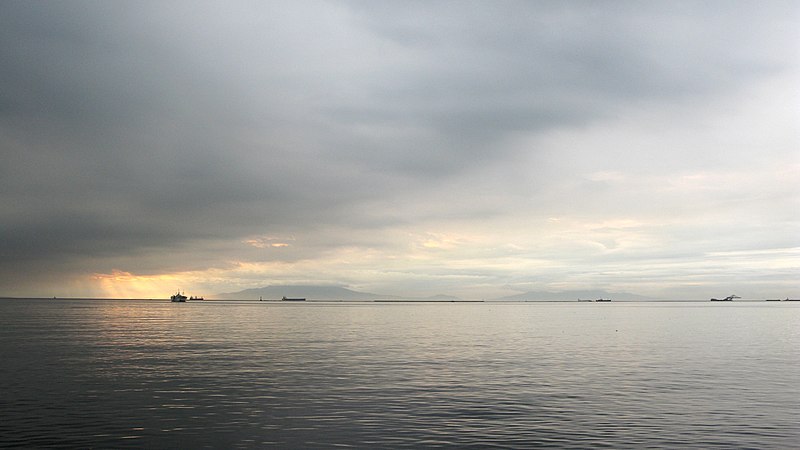
China finds itself at odds with other countries over claims on the highly disputed South China Sea. This week, the Philippines has filed a complaint against China’s assertion of a fishing ban, including encroachments over its exclusive economic zone.
Reuters reports the Philippines has filed a diplomatic complaint against China this week, citing Beijing’s unilateral move to impose a fishing ban in the disputed waters, as well as harassment from Beijing’s coast guard even within its own jurisdiction.
The Philippine foreign ministry issued a statement accusing Chinese ships of disrupting a joint marine scientific research mission and energy exploration activities at two sites in the country’s EEZ or exclusive economic zone.
The ministry issued a separate statement condemning China’s imposition of a fishing ban seeking to regenerate fish stocks, which takes place every year, including the waters inside the Philippines’ EEZ as well as Vietnam’s EEZ.
The ministry said Beijing’s coast guards’ actions were not in line with “innocent passage and are clear violations of the Philippine maritime jurisdiction.”
The recent complaint also poses a challenge for the country’s incoming president, Ferdinand “Bong Bong” Marcos who said last week that he would defend the country’s sovereign territory and push back on Chinese incursions.
An international tribunal ruled in favor of the Philippines in 2016, refuting China’s so-called “historic” claims to the majority of the waters, which has overlapping claims from other countries, including Taiwan.
Beijing has rejected the claims and continues to assert control over unoccupied islands within the region. The US has also refuted China’s claims.
US President Joe Biden told the country’s Navy graduates that they would be in charge of ensuring maritime freedom in the waters last week.
Speaking to 1,200 graduating cadets in Annapolis, Maryland, the US leader told them that they are entering service amidst a time of many challenges in the world, and they will be in charge of helping “preserve stability in an uncertain world.”
“You’ll defend the international rules of the road, underwrite the future of the Indo-Pacific that is free and open, ensure freedom of navigation of the South China Sea and beyond, and make sure the sea lanes remain open and secure,” said Biden.







