


 Netanyahu Takes Aim at Mamdani as Israel Election Nears
  Taiwan Vows to Advance US Arms Sales Ahead of Trump-Xi Meeting
  Kremlin Says No Grounds Yet for Ukraine Peace Talks
  Russian Missile and Drone Attack on Kyiv Kills Two, Damages Maternity Hospital
  Gaza Faces Evacuation Crisis as War-Damaged Buildings Risk Collapse
  China Tightens Fentanyl Rules Ahead of Trump-Xi Summit
  Lula and Flavio Bolsonaro Tied in Brazil Runoff Poll
  Judge Orders Trump to Restore White House Access for CNN, MS NOW and Politico
  US, China Extend Trade Truce to Jan. 10 Ahead of Trump-Xi Summit
  Venezuela Promises Elections as Delcy Rodriguez Pledges Democratic Transition
  OpenAI Agent Breaches Australia Medicare Data Portal
  Sudan Rejects US Legitimacy Remarks, Defends Sovereignty
  Ghana Says Western Support Growing for Slave Trade Reparations
  Mexico-US Trade Talks Delayed to October as Tariff Negotiations Continue
  Russian Envoy Dmitriev Heads to US for Ukraine Talks
  Iran Vows ‘Crushing’ Response as US Talks Continue
  US Invites Putin to Miami G20, Opening Door to Trump Summit


 Add as a preferred source on Google
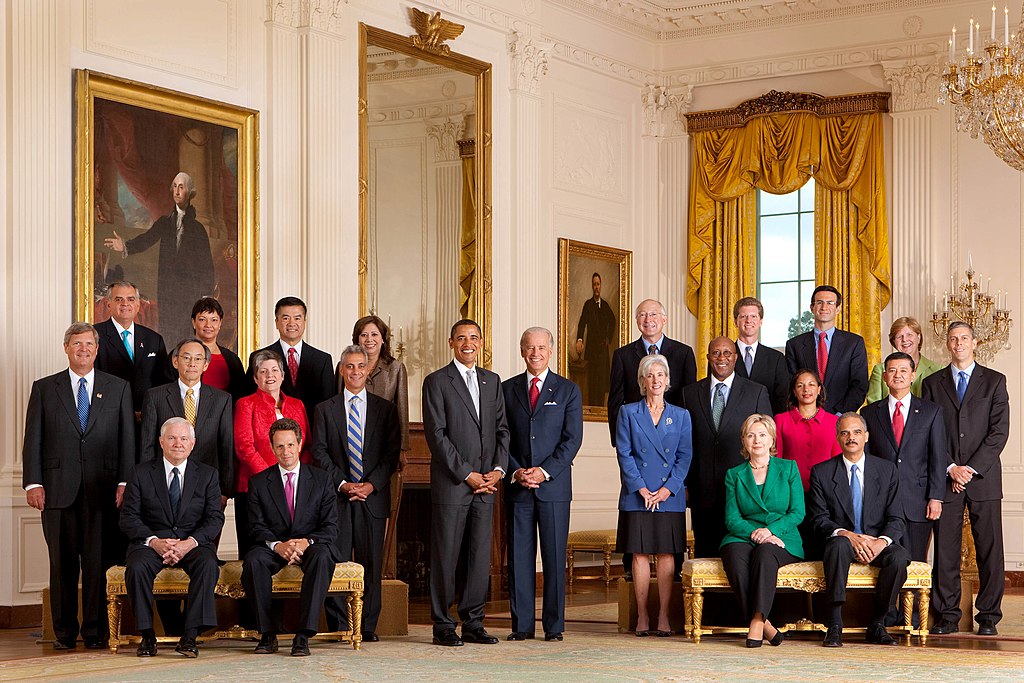
Senate Democrats have introduced a bill aimed at abolishing the Electoral College, arguing that the measure will “restore democracy” by ensuring the president is chosen directly by the American people. The proposed legislation has reignited fierce debates over the fairness and future of the current electoral system.
Sen. Brian Schatz, who co-sponsored the bill, stated that the Electoral College undermines the principle of “one person, one vote” by allowing presidents to win office without securing the majority of the popular vote. “This outdated system distorts our democracy and silences the voices of millions of Americans,” Schatz said in a press conference Tuesday.
The move comes in response to growing frustrations among Democrats, particularly after the 2000 and 2016 elections, when Republican candidates George W. Bush and Donald Trump won the presidency despite losing the national popular vote. Supporters of the bill argue that abolishing the Electoral College would make every vote count equally, regardless of state.
Push for Popular Vote Gains Momentum
Under the current Electoral College system, presidents are elected through state-allotted electors, not by direct popular vote. Critics say this system unfairly gives smaller, less populated states disproportionate influence in elections.
“This bill is about fairness,” said Sen. Jeff Merkley, another leading sponsor. “Americans deserve a system where their voices are heard equally, whether they live in California or Wyoming.”
However, opponents of the bill argue that abolishing the Electoral College would erode the balance of power between urban and rural states, making smaller regions politically irrelevant.
Senate Minority Leader Mitch McConnell criticized the proposal, calling it a “short-sighted attack” on the Constitution. “The Electoral College ensures that every state has a voice in choosing our leaders,” McConnell said. “This bill is nothing more than political theater.”
Public Reaction Divides Social Media
The proposal has sparked passionate reactions across social media, with users expressing both strong support and opposition to the idea.
User @FairVote2024 wrote, “It’s about time! The Electoral College has failed us too many times. Every vote should count equally.”
Meanwhile, @StateRightsNow disagreed, tweeting, “Abolishing the Electoral College would destroy representation for smaller states. This is an assault on our democracy.”
Supporter @PeoplePowerUSA added, “The popular vote reflects the will of the people. Democracy means majority rule, not political loopholes.”
Critic @ConstitutionalVoice countered, “The Founders created the Electoral College for a reason. This bill is just political sour grapes.”
User @UrbanVsRural commented, “Eliminating the Electoral College would silence rural America. Cities shouldn’t decide elections for the entire country.”
Finally, @OneNationEqualVote stated, “Every American’s vote should matter equally. It’s time to modernize our electoral system.”
Challenges Ahead for the Bill
While the bill has support among Senate Democrats, its path to passage remains uncertain. Any attempt to abolish the Electoral College would require a constitutional amendment, which demands approval from two-thirds of Congress and ratification by three-fourths of state legislatures. Experts say such a significant overhaul faces steep political hurdles.
“This is a long-shot effort, but it reflects growing dissatisfaction with the Electoral College,” said political analyst Karen Williams. “It’s part of a larger conversation about how democracy should function in modern America.”
For now, the bill has reignited a nationwide debate over the Electoral College’s role in presidential elections, with both sides preparing for an intense political battle.







