


 EU Agrees €6.6 Billion Military Aid Funding for Ukraine
  US Comfortable With Canada Trade Standoff as Import Bans Loom
  Abbas Reaffirms November 28 Palestinian Elections
  Trump Administration Prepares Sanctions Against Entire ICC
  Najib Razak Seeks Stay of 15-Year 1MDB Prison Sentence
  Pope Leo Warns UN, Multilateral Groups Face Crisis
  Iran Rejects Nuclear Concessions in Hormuz Deal
  US Judge Dismisses Imran Ahmed Deportation Lawsuit
  US Backs Musk in Fight Against EU’s €120 Million X Fine
  Colombia Extradites FARC Dissident Leader ‘Spider’ to US
  Paramount-Warner Bros $110 Billion Deal Draws Antitrust Backlash
  US Appeals Court Upholds Anthropic AI Supply Chain Ban
  Venezuela Nears Deal to Move $4 Billion in Gold to New York Fed
  Netanyahu Defends Israel at UN as Delegates Stage Walkout
  Trump, Xi Focus on Trade and AI at White House Summit
  Evan Gershkovich Says FSB Set Trap for 2023 Russia Arrest
  Appeals Court Rejects Trump Third-Country Deportation Policy


 Add as a preferred source on Google
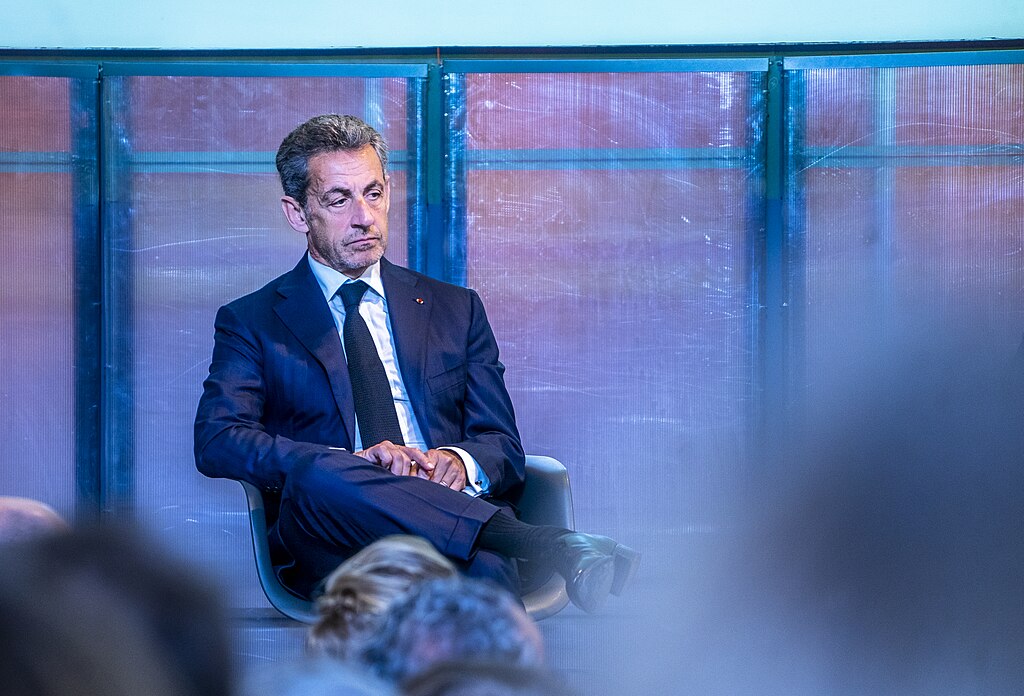
Former French President Nicolas Sarkozy will soon learn his fate in a high-profile corruption trial over allegations he received millions of euros from late Libyan leader Muammar Gaddafi to finance his 2007 presidential campaign. French prosecutors have requested a seven-year prison sentence for Sarkozy, who governed France from 2007 to 2012. If convicted, the 70-year-old can appeal, which would temporarily suspend his sentence.
The trial, which began in January, centers on charges of concealing embezzled public funds, passive corruption, illegal campaign financing, and criminal conspiracy. Investigators allege that Sarkozy made a secret pact with Gaddafi’s regime, with cash deliveries in suitcases reportedly transported to Paris. The case has drawn global attention due to its alleged involvement of Libyan intelligence agents, arms dealers, and even a convicted terrorist. Sarkozy has strongly denied the accusations, calling the trial politically motivated.
Despite his legal troubles, Sarkozy remains a significant figure in French politics. Even after being stripped of the prestigious Legion of Honour in June, he has continued to wield influence. Recently, he met with Prime Minister Sebastien Lecornu, once his protégé, and gave credibility to Marine Le Pen’s far-right National Rally by stating the party now belongs to France’s “republican arc.”
This is not Sarkozy’s first encounter with the law. Last year, France’s highest court upheld a separate corruption conviction, requiring him to serve a year with an electronic monitoring tag—an unprecedented penalty for a former French head of state. That tag has since been removed. In addition, an appeals court confirmed another conviction over illegal campaign financing tied to his failed 2012 re-election bid.
As Sarkozy awaits the ruling in the Libya case, the outcome could redefine his political legacy. While supporters view him as a victim of judicial overreach, critics argue his repeated convictions highlight systemic abuse of power at the highest levels of government.







