


 SpaceX Nasdaq 100 Weight to More Than Double in Rebalance
  Petrobras Joins Brazil Diesel Subsidy Program
  US Northeast Airports Resume Operations After Telecom Outage Disrupts Thousands of Flights
  Goldman Sachs Names Simon Lyons UK Investment Banking Co-Head
  Canada Unveils Bill to Fast-Track Major Resource Projects
  fnny Beta Launches With a Simple Idea: Find an Event, Show Up, Get Rewarded
  China Reviews Broadcom Switch Use in State Data Centres
  Trump Administration Prepares Sanctions Against Entire ICC
  Hyundai CEO Warns Chinese Automakers Could Disrupt US Market
  Meta Partners With Shopify to Bring Shop Pay Checkout to Muse AI
  Physicists zoom into the birth of cosmic rainstorms with new CERN study
  Prysmian, Rio Tinto Supply Low-Carbon Cables for Amazon Ohio Data Center
  OpenAI Urges US-Led Global Standards for Frontier AI
  Who should own the knowledge that underpins AI technology?
  Denmark Says Greenland Sovereignty Protected in US Military Deal
  Nike Earnings at Risk as UBS Cuts Price Target to $42
  China Vanke Shares Jump as Beijing Moves to Ease Debt Pressure


 Add as a preferred source on Google
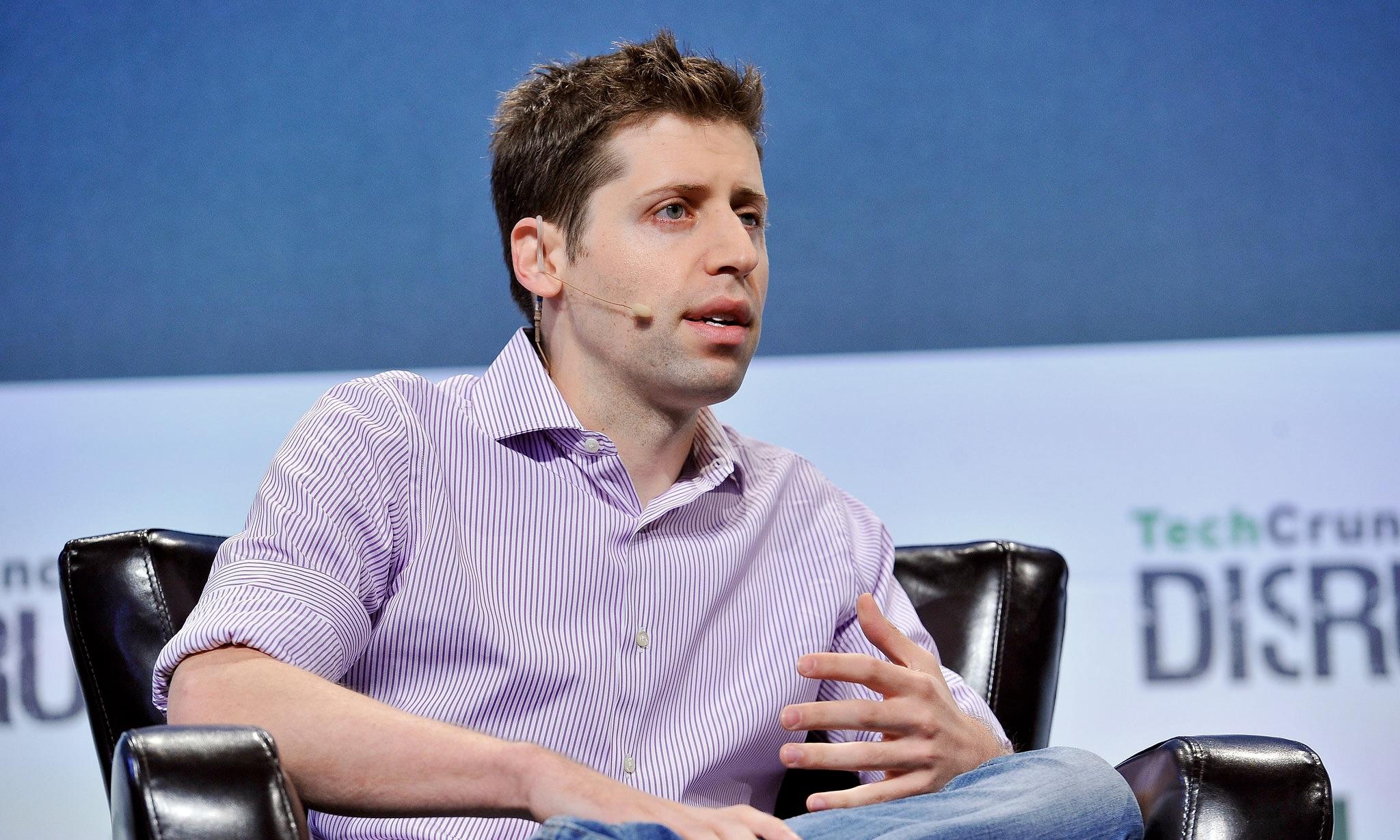
Sam Altman, CEO of OpenAI, unveils a bold four-point plan for the US to secure its dominance in the global AI race against China.
OpenAI's Altman Outlines Four-Point AI Strategy for US
Sam Altman, CEO of OpenAI, has devised a four-point strategy to assist the United States in maintaining its leadership position in the global AI arms competition.
Altman's objective is to guarantee that the "future of AI is a future constructed to benefit the greatest number of individuals," as he stated in an editorial published by the Washington Post on Thursday. He requested that the United States serve as the leader of a "global coalition of like-minded countries" in order to "make it happen."
A brief summary from Altman's ChatGPT: "The urgent question of our time is whether the US and its allies will lead the global AI future to benefit democracy or let authoritarian regimes shape it for their own power."
Altman Calls for Cutting-Edge Security Measures
According to Business Insider, Altman's initial objective is to guarantee that AI technology is adequately protected. "American AI firms and industry need to craft robust security measures to ensure that our coalition maintains the lead in current and future models and enables our private sector to innovate," according to him. He further stated that these measures should encompass "cyber defense and data center security innovations" that would "prevent hackers from stealing key intellectual property."
Massive Infrastructure Overhaul Proposed
Subsequently, construct the appropriate infrastructure. Altman advised American government officials to "work with the private sector to build significantly larger quantities of the physical infrastructure — from data centers to power plants — that run the AI systems themselves."
He stated that this would contribute to the creation of additional employment opportunities and the establishment of AI as a "new industrial base" in the United States. Additionally, he stated that the United States must allocate resources to the cultivation of a new generation of AI innovators, researchers, and engineers. He stated, "They are our true superpower."
New Trade and Data Regulations Essential
Third, the United States should implement additional regulations regarding the transmission of information across borders and commerce. It encompasses "clarity around how the United States intends to implement export controls and foreign investment rules for the global build out of AI systems," according to him. This also entails the establishment of regulations regarding the storage of materials, such as training data, processors, and code, on a global scale. He stated that it is not solely about the export of technology. "It's about exporting the values that the technology upholds."
Global AI Strategy to Prevent Falling Behind
Finally, Altman recommended that the United States establish a global AI strategy to ensure that developing nations are not left behind. Altman proposed a variety of solutions, such as the establishment of an AI equivalent to the International Atomic Energy Agency, which would support the peaceful application of the technology.
Fostering Global AI Collaboration
He proposed the creation of an investment fund that would consolidate the resources of nations that are dedicated to the responsible development of AI. He suggested that an alternative approach would be to establish a nonprofit organization that is comparable to the Internet Corporation for Assigned Names and Numbers (ICANN). This organization would be committed to "maximizing access to the internet in support of an open, connected, democratic global community."
The editorial by Altman is published in response to the increasing threat posed by China to the United States' AI dominance. According to Stanford's Institute for Human-Centered Artificial Intelligence, the United States was the leading investor in global AI last year, investing more than $67 billion in the technology. China ranked second, investing nearly $8 billion. However, the majority of analysts anticipate that this figure will increase rapidly.
"We need the democratic — small 'd' democratic — world to win here, and we have the opportunity to do it," Altman indicated to Axios.







