


 Meta CEO Zuckerberg Backs Independent AI Safety Reviews Over Development Slowdown
  Paramount-Warner Bros $110 Billion Deal Draws Antitrust Backlash
  CNN, MS NOW and Politico Sue Trump Over White House Media Ban
  DOJ Will Investigate AI-Related Crimes, Attorney General Blanche Says
  fnny Beta Launches With a Simple Idea: Find an Event, Show Up, Get Rewarded
  Telix to Acquire Germany’s ITM in $1.65 Billion Radiopharma Deal
  Hyundai CEO Warns Chinese Automakers Could Disrupt US Market
  Meta Partners With Shopify to Bring Shop Pay Checkout to Muse AI
  US Federal Register Drops Alibaba Qwen AI Search Tool
  Japan, U.S. Discuss $19 Billion GlobalFoundries Chip Plant
  NASA, Boeing Discuss Expanding Starliner Missions
  Databricks to Invest $350 Million in Singapore AI Expansion
  Europe can’t achieve space sovereignty alone. Here’s why
  Prysmian, Rio Tinto Supply Low-Carbon Cables for Amazon Ohio Data Center
  MediaTek Unveils 2nm Dimensity 9600 Pro AI Chip
  SoftBank Launches $11 Billion Bond Sale to Fund OpenAI Investment


 Add as a preferred source on Google
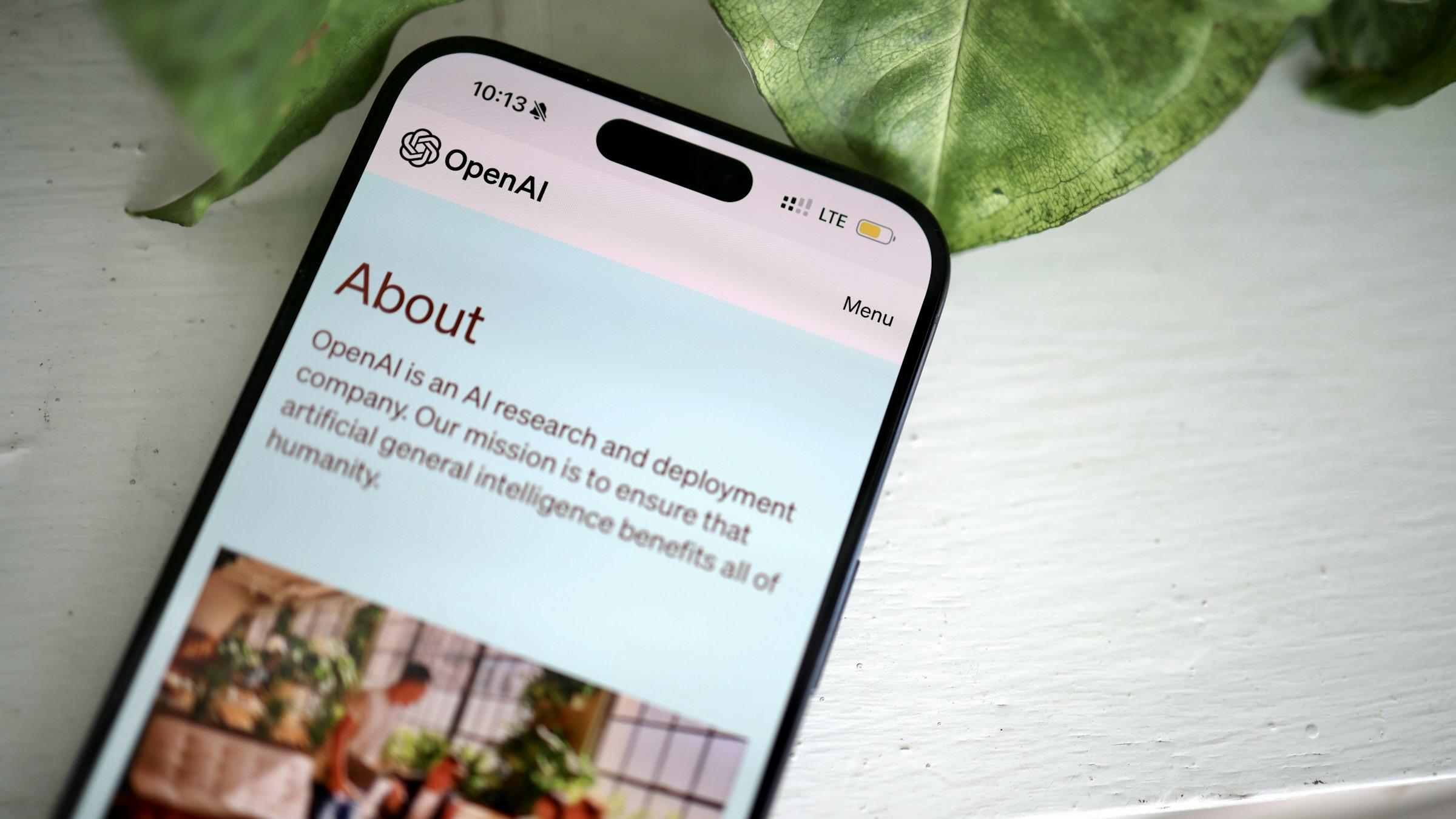
OpenAI CEO Sam Altman has revealed that the company might transition to a for-profit model. This move coincides with Elon Musk's recent dropping of his lawsuit against the AI firm.
OpenAI's Future Path: From Nonprofit to For-Profit
According to a report that was published on Friday by The Information, OpenAI CEO Sam Altman disclosed to a few shareholders that the company is contemplating adapting its governance structure to that of a for-profit organization that is not under the jurisdiction of the nonprofit board of directors.
According to the story, which cited a source who heard the remarks, Altman stated that the board is contemplating a for-profit benefit organization, which is a format that competitors like Anthropic and xAI are embracing.
According to The Information (via Reuters), the negotiations regarding the restructuring are fluid, and Altman and his other directors may finally opt to take a different strategy.
OpenAI's Commitment to Public Benefit
OpenAI issued the following statement in response to questions posed by Reuters regarding the report: "We remain focused on building AI that benefits everyone. The nonprofit is core to our mission and will continue to exist."
Ironically, Elon Musk dropped his lawsuit against ChatGPT developer OpenAI and CEO Sam Altman a few days ago, accusing them of forsaking the startup's initial objective of building artificial intelligence for humanity.
Elon Musk's Allegations and Legal Actions
The Guardian reports that in his lawsuit, Musk alleged that Altman and OpenAI had broken their agreement by turning into a for-profit company that cooperated with Microsoft and withheld its technology from the public.
Both OpenAI and Altman strongly rejected the allegations, claiming that no "founding agreement" existed and providing correspondence that seemed to indicate Musk was in favor of turning the company into a for-profit enterprise.
Also in March, OpenAI and Altman expressed their disappointment that "we're sad that it's come to this with someone whom we've deeply admired" on their blog, basically accusing Musk of professional jealousy.
Legal professionals were skeptical of Musk's lawsuit because they felt several of the assertions made in it, like that OpenAI had developed AI that could compete with human intelligence, did not make sense.
Photo: Solen Feyissa/Unsplash







