


 SoftBank Shares Slide After Arm Earnings Miss Fuels Tech Stock Sell-Off
  South Korea’s Weak Won Struggles as Retail Investors Pour Money Into U.S. Stocks
  Thailand Inflation Remains Negative for 10th Straight Month in January
  Trump Signs Executive Order Threatening 25% Tariffs on Countries Trading With Iran
  Global PC Makers Eye Chinese Memory Chip Suppliers Amid Ongoing Supply Crunch
  How is Antarctica melting, exactly? Crucial details are beginning to come into focus
  Swimming in the sweet spot: how marine animals save energy on long journeys
  Trump Lifts 25% Tariff on Indian Goods in Strategic U.S.–India Trade and Energy Deal
  Dollar Steadies Ahead of ECB and BoE Decisions as Markets Turn Risk-Off
  Japan Economy Poised for Q4 2025 Growth as Investment and Consumption Hold Firm
  Missouri Judge Dismisses Lawsuit Challenging Starbucks’ Diversity and Inclusion Policies
  Thousands of satellites are due to burn up in the atmosphere every year – damaging the ozone layer and changing the climate
  CK Hutchison Launches Arbitration After Panama Court Revokes Canal Port Licences
  Fed Governor Lisa Cook Warns Inflation Risks Remain as Rates Stay Steady
  Dollar Near Two-Week High as Stock Rout, AI Concerns and Global Events Drive Market Volatility


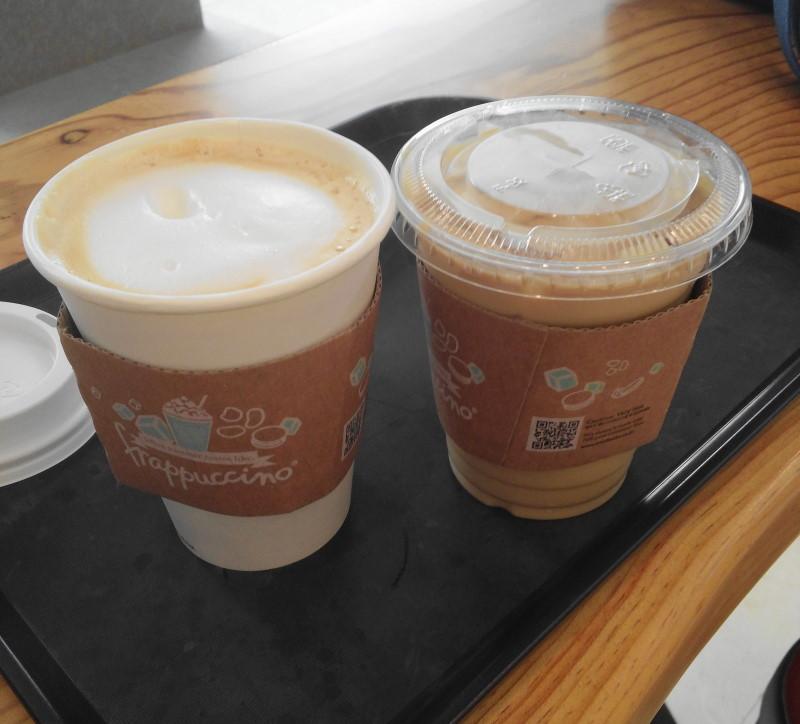
South Korea will require a deposit between 200 won and 500 won per drink in a disposable cup purchased at coffee shops and fast-food chains starting on June 10.
The purchaser will get back the deposit upon return of the used cups to the stores for recycling.
The environment ministry noted that the requirement is part of efforts to reduce plastic waste spiking amid the pandemic.
Around 38,000 cafes and fast-food restaurants across South Korea are covered by the rule under the government’s decision to apply the system to firms with more than 100 branches.
Eateries will be banned from using disposable cups at stores and are encouraged to reuse items for deliveries.
Starting November 24, big stores, supermarkets, convenience stores, and bakeries will be prohibited from using plastic bags.
The measures are part of South Korea’s effort to achieve carbon neutrality and move toward a sustainable circular economy.













