


 Marco Rubio to Visit Iceland, Greece and Portugal
  Russia Warns NATO of Nuclear Response Over Kaliningrad
  Flydubai Co-Pilot Tried to Crash Israel-Bound Jet, Netanyahu Says
  US Waives $320M Egypt Military Aid Conditions After Iran War Role
  Ukraine Deploys FP-7 Ballistic Missile in Combat for First Time
  South Korea Warns Ukraine Over North Korean POW Dispute
  US Alcohol Ban Exposes Canada’s Internal Trade Barriers
  Trump Says He Raised Political Prisoners With Xi
  Lula Leads Flavio Bolsonaro 48%-45% in Datafolha Poll
  Brazil Presidential Debate Canceled as Lula, Bolsonaro Skip Event
  Wicker Urges US to Uphold Taiwan Security Commitments
  Trump Praises Boeing 737 Max After Flydubai Crash Attempt
  Israeli Settler Attack in West Bank Kills Palestinian
  California Leads Lawsuit Over Trump’s $810 Million Funding Cuts
  Netanyahu Vows Probe Into Foiled Flydubai Crash Attempt
  Trump Demands Powell Resign Over Fed Renovation Cost Overruns


 Add as a preferred source on Google
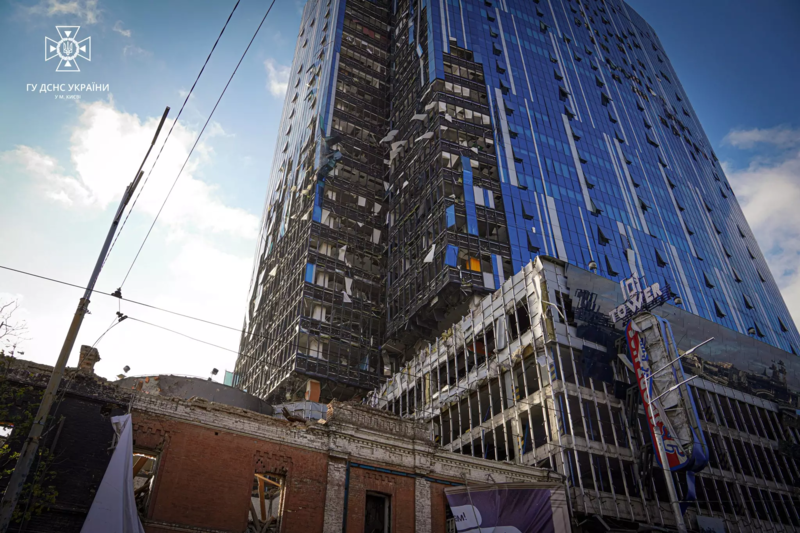
The West has imposed more sanctions on Russians as the war moves into its ninth month. The United Kingdom has announced sanctions on four Russian steel and petrochemical businessmen.
The British government announced Wednesday that it is sanctioning four Russian steel and petrochemical tycoons in what would be the latest measures London is taking to further pressure Moscow over the war it is waging on Ukraine. Among those who were sanctioned are Alexander Abramov and Alexander Frolov, known associates of oligarch Roman Abramovich, who was also sanctioned earlier this year.
“Today we are sanctioning an additional four oligarchs who rely on Putin for their positions of authority and in turn, fund his military machine,” said British Foreign Secretary James Cleverly. “By targeting these individuals, we are ramping up the economic pressure on Putin and will do so until Ukraine prevails.”
Abramov has an estimated net worth of $4.7 billion, and Frolov has an estimated net worth of $1.9 billion, according to a statement from the foreign office. The statement added that Abramov and Frolov were involved in the extractive, transport, and construction sectors.
The sanctions include travel bans, according to the foreign office.
The British government has remained consistent in its support for Ukraine and condemnation of the war and has imposed several rounds of sanctions on Russian individuals and entities since the invasion on February 24. Prime Minister Rishi Sunak spoke with Ukrainian President Volodymyr Zelenskyy last week, pledging London’s continued support for Ukraine and that the support would be “as strong as ever under his premiership.”
The two other tycoons that were sanctioned were Airat Shaimiev, who has a net worth of over $1 billion, and Albert Shigabutdinov, who has a net worth of over $1.1 billion.
A senior Ukrainian official said on the same day that Russia’s re-entry into participating in the United Nations and Turkey-brokered grain export deal with Ukraine was because Moscow realized that the deal would still be in effect without it.
Presidential aide Mykhailo Podolyak said in a statement to Reuters that Russia’s decision to rejoin the deal was an indication that Russian “blackmail” and “escalation and threats” fail when met with a strong response.







