


 Iran Plans Stronger Response if US Attacks Resume
  Flydubai Co-Pilot Tried to Crash Israel-Bound Jet, Netanyahu Says
  Lula Leads Flavio Bolsonaro 48%-45% in Datafolha Poll
  TSA Removes Chairs for Airport ID Check Officers
  Israeli Settler Attack in West Bank Kills Palestinian
  Trump Taps Dennis Rodman as Kim Jong Un Outreach Continues
  South Korea Warns Ukraine Over North Korean POW Dispute
  Russia Warns NATO of Nuclear Response Over Kaliningrad
  US Waives $320M Egypt Military Aid Conditions After Iran War Role
  Marco Rubio to Visit Iceland, Greece and Portugal
  Trump Praises Boeing 737 Max After Flydubai Crash Attempt
  New Zealand Election Raises Policy Uncertainty for Investors
  US Alcohol Ban Exposes Canada’s Internal Trade Barriers
  Netanyahu Vows Probe Into Foiled Flydubai Crash Attempt
  US Officials See China Taiwan Invasion Before 2028 as Less Likely
  US Appeals Court Keeps Trump IRS Case Sanctions in Place
  Pentagon Launches Autonomous Warfare Command


 Add as a preferred source on Google
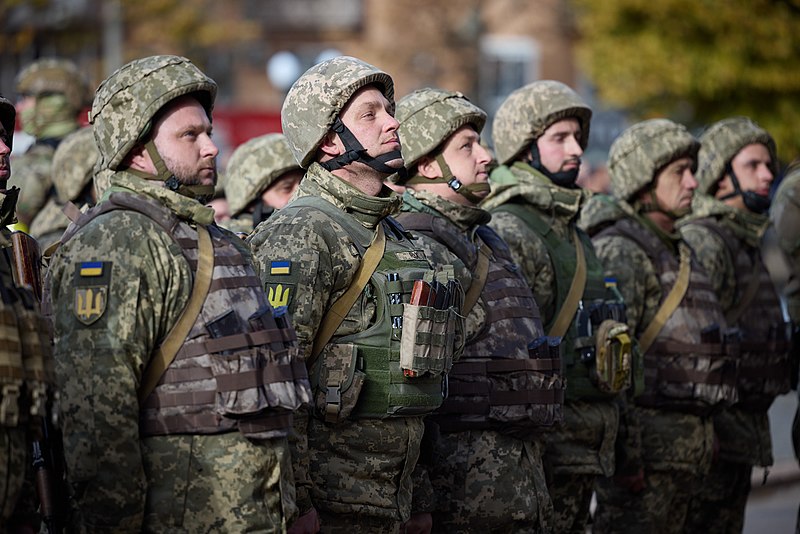
The European Union announced that it would be setting up a military assistance mission for Ukraine’s armed forces. This follows Kyiv’s request for such support, with 15,000 Ukrainian troops set to receive training.
The EU’s foreign policy chief Josep Borrell told reporters Tuesday that the bloc’s military assistance mission for Ukraine’s military was in response to Russia’s invasion. Borrell said that around 15,000 Ukrainian troops would be trained in different EU countries “as part of the mission.”
“It is going to be a big effort to renew, increase, improve the capacities of the Ukrainian army,” said Borrell, adding that the mission would be in effect in the next three months.
The bloc’s military assistance mission would be led by French Vice Admiral Herve Blejean. The EU defense ministers also agreed to provide funding of $16.5 million under the European Peace Facility for a span of 24 months. The EPF is the bloc’s instrument to maintain peace.
The announcement by the EU was welcomed by NATO Secretary-General Jens Stoltenberg, telling reporters in Brussels that the mission would complement what the NATO alliance is already doing. Stoltenberg stressed the importance of providing more training.
This comes as France and Germany have often been criticized by Kyiv for not sending enough weapons, and this is seen as a way for the two countries to make up for the criticism. Before the EU defense ministers meeting, German defense minister Christine Lambrecht said that around 5,000 Ukrainian troops would be trained in Germany until June 2023, and a repair center would be established in Slovakia.
Meanwhile, the leaders of the G20 countries issued a declaration that strongly condemned Russia’s invasion of Ukraine. The final communique was approved Wednesday following the two-day summit in Indonesia, with the majority of the members condemning the war, noting that there are other views.
The communique said that international law must be upheld while also condemning the threat of nuclear weapons, welcoming the extension of the Black Sea Grain Initiative. The communique added that the war affected the global economy and that the G20 countries’ central banks will continue to calibrate the pace of the tightening of monetary policy.







