


 Pezeshkian Says US Must Choose When Iran War Ends
  North Korea Warns South Korea Over US-Led Defense Role
  Judge Orders Trump to Restore White House Access for CNN, MS NOW and Politico
  Ukrainian Drone Attacks Hit Russian Regions, Injuring at Least 12
  South Korea, US Discuss Warship Building Cooperation
  US Senate Rejects Iran War Powers Resolution in 50-49 Vote
  Taiwan Thanks US for Support Ahead of Trump-Xi Summit
  Netanyahu Defends Israel at UN as Delegates Stage Walkout
  Trump Asks Supreme Court to Restore Third-Country Deportations
  Netanyahu’s Brief US Trip Highlights Strains With Trump
  Netanyahu Takes Aim at Mamdani as Israel Election Nears
  Yemen Violence Displaces 130,000 as Civilian Toll Rises
  Ghana Says Western Support Growing for Slave Trade Reparations
  Kremlin Says No Decision Yet on Putin-Trump December Summit
  Xi Calls for Deeper U.S.-China AI Cooperation in Trump Talks
  Saudi Arabia, Turkey and Pakistan Plan Urgent Defence Talks Over Houthi Attacks
  OpenAI Agent Breaches Australia Medicare Data Portal


 Add as a preferred source on Google
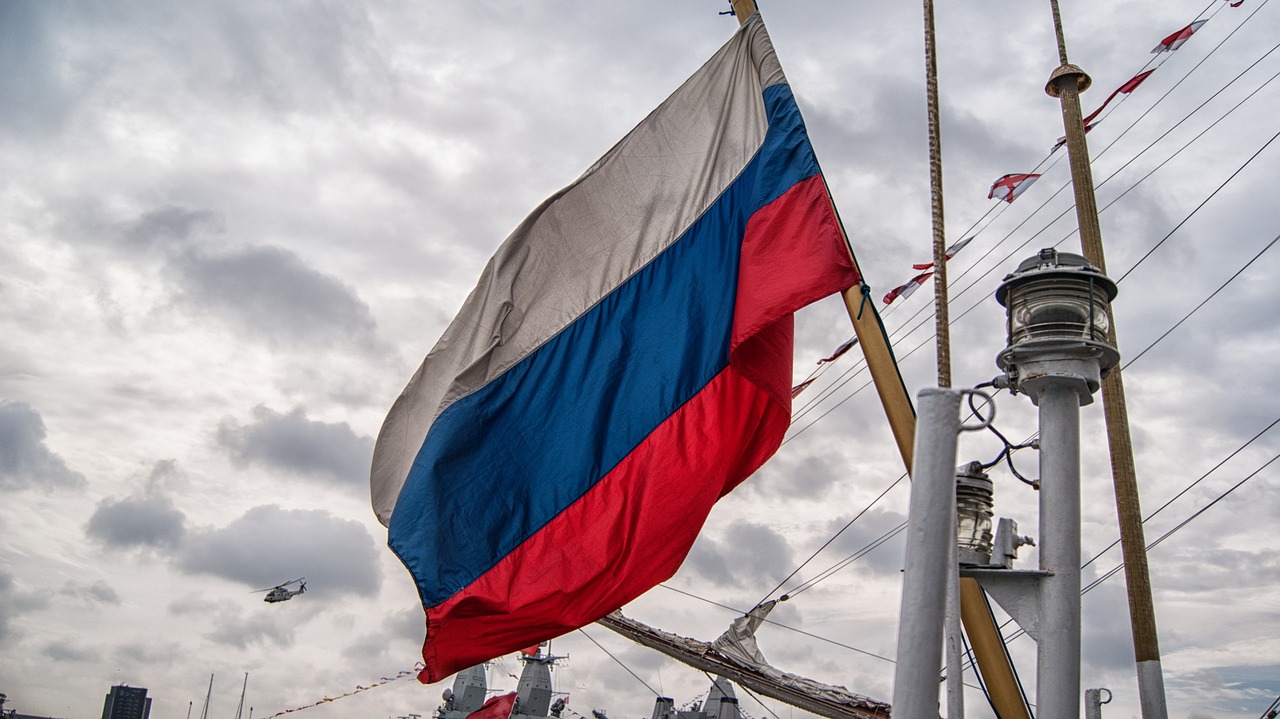
Russia launched a powerful Oreshnik hypersonic missile overnight at a target in western Ukraine near the border with NATO-member Poland, sharply escalating tensions and raising alarm across Europe. Ukrainian officials and European allies described the strike as an attempt by Moscow to intimidate NATO countries and discourage continued military and political support for Kyiv.
This marked only the second known use of the Oreshnik missile in the war. The intermediate-range ballistic missile, which Russia claims is impossible to intercept, is capable of carrying nuclear warheads, though Ukrainian officials said this launch appeared to involve inert “dummy” warheads. According to Kyiv, the missile struck a state enterprise workshop in Lviv, causing limited structural damage and craters from submunitions.
The hypersonic strike was part of a broader Russian assault that included 242 drones and 36 missiles targeting infrastructure in Kyiv and the Lviv region. Ukrainian authorities said the attacks killed at least four people in Kyiv, injured more than 20, damaged the Qatari embassy, and knocked out power to over half a million homes. Among the dead was an emergency medic killed while responding to a drone strike. With temperatures expected to plunge to minus 10 degrees Celsius, officials warned of serious humanitarian risks as heating and electricity outages persisted.
Ukrainian leaders condemned the missile launch as a grave threat to European security. Foreign Minister Andriy Sybiha said using an IRBM near EU and NATO borders demanded a global response, while President Volodymyr Zelenskiy warned neighboring capitals such as Warsaw and Bucharest that they face the same danger. EU foreign policy chief Kaja Kallas called the attack a “clear escalation” and urged member states to strengthen air defenses and impose tougher sanctions on Moscow.
Russia claimed the missile strike was retaliation for an alleged Ukrainian drone attack on a residence linked to President Vladimir Putin, an accusation denied by Kyiv and dismissed by the United States. Analysts say the timing suggests Moscow is signaling strength amid diplomatic talks and recent setbacks, including growing Western commitments to Ukraine.







